
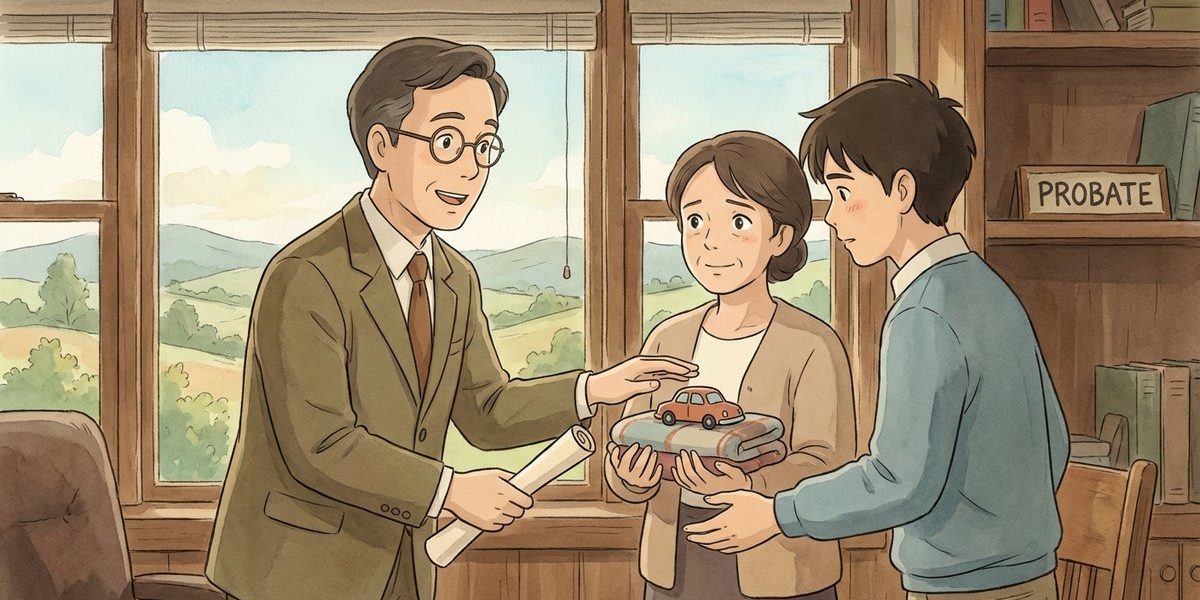
Can the personal representative give away or let heirs take vehicles or household items before the estate is settled? – North Carolina
Short Answer
Usually, no. In North Carolina, a personal representative is supposed to gather and protect estate property, pay valid debts and expenses, and only then distribute what is left to the people entitled to receive it.
There are limited situations where certain personal property can be awarded early (such as a spouse’s or child’s allowance ordered by the Clerk of Superior Court). Outside of those exceptions, letting heirs “take what they want” early can create personal liability for the personal representative and can be challenged in the estate file.
Understanding the Problem
In a North Carolina estate administration, a personal representative (executor or administrator) may control vehicles, furniture, and household contents soon after death. The question is whether the personal representative can allow heirs or beneficiaries to take those items before the estate is finished, especially when another person claims to be an heir or beneficiary and says they were not initially listed or notified. The key decision point is whether early “handing out” of estate property is allowed before the estate’s debts, expenses, and required filings are completed with the Clerk of Superior Court.
Apply the Law
Under North Carolina probate practice, the personal representative’s job generally follows a sequence: identify and secure estate assets, determine and pay lawful debts and expenses, and then distribute the remaining assets to the proper heirs or beneficiaries. Early distributions can be risky because the personal representative may later need those assets (or their value) to pay claims, taxes, or expenses, or to make a correct distribution to all entitled persons.
Key Requirements
- Protect and account for estate property: Vehicles and household items that are estate assets generally need to be identified, safeguarded, and included on the estate inventory/accounting before they are distributed.
- Pay debts and expenses first: The estate’s valid debts, administration costs, and other required payments generally come before distributions to heirs and beneficiaries.
- Distribute only to the right people, in the right shares: If an heir/beneficiary was left off the paperwork or not notified, early “informal” distributions can create disputes and may require the personal representative to recover property or reimburse the estate.
What the Statutes Say
- N.C. Gen. Stat. § 30-20 (Year’s allowance procedure) – Allows the Clerk of Superior Court to enter an order awarding certain personal property to a surviving spouse and/or children as an allowance, which can result in early transfer of specific items.
- N.C. Gen. Stat. § 30-21.1 (Reporting of allowances) – Addresses how property distributed directly as part of a spouse’s or child’s allowance may be handled for inventory/accounting purposes.
Analysis
Apply the Rule to the Facts: Here, the estate includes vehicles and household contents, and a relative has been appointed (or is seeking appointment) as administrator/personal representative. If those items are estate assets, the personal representative generally should not let heirs take them “now” simply because everyone expects they will inherit later. If another person claims heir/beneficiary status and says they were not listed or notified, early distribution increases the risk that the wrong people receive property or that the estate cannot be made whole if a claim, expense, or omitted heir is later confirmed.
Process & Timing
- Who controls property: The personal representative. Where oversight happens: the Clerk of Superior Court (Estates Division) in the county where the estate is opened. What should happen first: identify, secure, and list estate assets (including vehicles and household contents that belong to the decedent alone) and keep records of who has possession.
- Before any distribution: the personal representative typically confirms who the heirs/beneficiaries are, addresses required notices and creditor issues, and evaluates whether the estate has enough assets to pay expenses and claims without needing the items that someone wants to take.
- When early transfer may be appropriate: if the Clerk enters an order awarding specific personal property as a spouse’s or child’s allowance, the personal representative should follow that order and document what was transferred and why.
Exceptions & Pitfalls
- Year’s allowance orders: A spouse’s or child’s allowance can result in certain personal property being awarded early by order of the Clerk of Superior Court. Distributing items under that order is different from “giving things away.”
- “Small stuff” still counts: Household items and vehicles can create real problems if they are not inventoried, valued consistently, and distributed in a way that matches the will or intestacy rules.
- Omitted heir/beneficiary disputes: If someone was not listed or notified, the personal representative may need to pause distributions, confirm heirship, and avoid transfers that are hard to undo.
- Personal liability risk: If the personal representative distributes too early and the estate later needs those assets (or their value) to pay obligations or correct distributions, the personal representative may be forced to pursue recovery from the recipients or reimburse the estate.
- Title and possession issues for vehicles: Vehicles often require proper paperwork to transfer title. Informal handoffs can lead to insurance, registration, and control problems that complicate the estate accounting.
Conclusion
In North Carolina, a personal representative generally should not let heirs take vehicles or household items before the estate is ready to distribute, because the personal representative must first gather and protect estate assets, pay valid debts and expenses, and then distribute what remains to the correct heirs or beneficiaries. A common exception is personal property awarded by the Clerk of Superior Court as a spouse’s or child’s allowance. The practical next step is to file a written request with the Clerk of Superior Court to review the estate file and address improper early distributions promptly.
Talk to a Probate Attorney
If a personal representative is letting family members take vehicles or household items before the estate is settled—or if an heir or beneficiary was left off the paperwork—our firm has experienced attorneys who can help explain options and timelines in North Carolina probate. Call us today at [CONTACT NUMBER].
Disclaimer: This article provides general information about North Carolina law based on the single question stated above. It is not legal advice for your specific situation and does not create an attorney-client relationship. Laws, procedures, and local practice can change and may vary by county. If you have a deadline, act promptly and speak with a licensed North Carolina attorney.

