
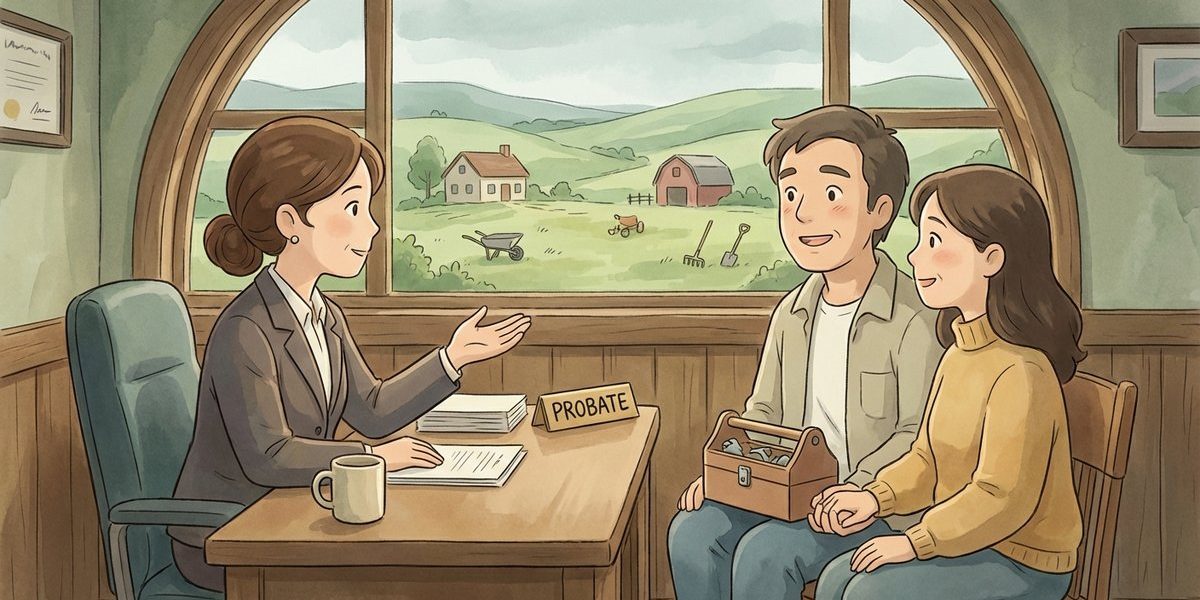
Can the life tenant give away or sell tools, equipment, or other personal property that’s kept on the land? – North Carolina
Short Answer
Usually, a life tenant in North Carolina can sell or give away their own personal property (like tools or equipment) even if it is stored on the land. But a life tenant generally cannot give away or sell personal property that belongs to someone else (including the estate) or items that have become part of the real estate (fixtures). If the dispute is really about whether something is a fixture or whether it belonged to the decedent’s estate, the answer turns on title/ownership and how the item is attached and used.
Understanding the Problem
In North Carolina probate and life-estate situations, the key question is often: can a person who holds a life estate (the “life tenant”) treat tools, equipment, and other items kept on the property as theirs to sell or give away, even though other people are named as remainder beneficiaries on the deed. The decision point is whether the item is (1) personal property owned by the life tenant, (2) personal property owned by someone else (often the decedent’s estate), or (3) a “fixture” that is treated as part of the land and therefore tied to the life estate and remainder interests.
Apply the Law
Under North Carolina law, a life estate is an interest in real property for the duration of a person’s life. The life tenant has the right to possess and use the land during the life estate, but must not substantially harm the remainder interest (often described as avoiding “waste”). That framework matters because many disputes about “tools and equipment on the land” are really disputes about ownership (who bought it, who inherited it, whose name is on title) and classification (personal property versus fixture). If the item is personal property owned by the life tenant, the life tenant can generally dispose of it. If it belongs to the decedent’s estate, the personal representative (executor/administrator) controls it during estate administration and must inventory, safeguard, and distribute it under the will or intestacy rules.
Key Requirements
- Ownership: A life tenant can only sell or give away property the life tenant owns. If the item belonged to the decedent at death, it is typically an estate asset controlled by the personal representative during probate.
- Personal property vs. fixture: If an item is attached to the land or installed as part of the property’s use (for example, built-in equipment), it may be treated as part of the real estate rather than removable personal property.
- No substantial injury to the remainder: Even when a life tenant has broad use rights, the life tenant generally cannot strip the property or manage it in a way that substantially damages the remainder beneficiaries’ interest.
What the Statutes Say
- N.C. Gen. Stat. § 105-384 (Duties and liabilities of life tenant) – Places tax responsibility on the life tenant for real or personal property held in a life-estate form and allows a remainderman to recover taxes paid in certain situations.
- N.C. Gen. Stat. § 46A-80 (Sale of standing timber; valuation of life estate) – Allows a court-supervised process to sell standing timber when land is subject to a life estate, with protections for the remainder interest.
- N.C. Gen. Stat. § 41-11.2 (Sale of standing timber; life estate) – Directs timber-sale disputes involving life estates into the Chapter 46A procedure.
Analysis
Apply the Rule to the Facts: The facts describe remainder beneficiaries named on a life-estate deed and a later will leaving most assets to a spouse who will administer the estate. If the tools/equipment were owned by the life tenant personally (purchased by the life tenant and not part of the decedent’s estate), the life tenant generally can sell or give them away even if they were stored on the land. If the items belonged to the decedent at death (or were acquired with the decedent’s funds and treated as the decedent’s property), they are typically probate assets and should be handled by the personal representative, not given away by the life tenant. If an item is arguably part of the real property (a fixture), removing or selling it can raise remainder-interest and “waste” issues.
Process & Timing
- Who identifies ownership: The personal representative (once appointed) typically identifies estate personal property. Where: Clerk of Superior Court (Estates Division) in the county where the estate is opened. What: Estate inventory/accounting filings and supporting documentation (receipts, titles, appraisals if needed). When: Early in administration, because safeguarding and insuring tangible personal property is often time-sensitive.
- How disputes get framed: The practical first step is usually documentation: purchase records, serial numbers, titles/registrations (if any), insurance schedules, and witness information about who used and maintained the items. If the disagreement is about whether something is a fixture, photos and installation details matter.
- How it gets resolved: Many conflicts resolve through agreement and written receipts for any distribution of tangible personal property. If not, the dispute may require court involvement through the estate proceeding or a related civil action, depending on what is being claimed (estate ownership, conversion, or improper removal from the land).
Exceptions & Pitfalls
- “Kept on the land” does not equal “belongs to the land”: Storage location alone does not decide ownership. A life tenant may store someone else’s property, and an estate may own items located on land subject to a life estate.
- Fixtures versus removable items: Items that are installed and intended to stay with the property can be treated as part of the real estate. Removing them can trigger claims that the remainder interest was harmed.
- Estate administration controls decedent-owned personal property: If the decedent owned the tools/equipment at death, the personal representative generally must inventory, safeguard, and distribute them under the will (or intestacy). Informal “clean-outs” without receipts can create conflict and fiduciary exposure.
- Timber and similar resources have special rules: Cutting/selling standing timber from land subject to a life estate can require a court-supervised process and findings designed to protect the remainder interest. See N.C. Gen. Stat. § 46A-80 and N.C. Gen. Stat. § 41-11.2.
Conclusion
In North Carolina, a life tenant can generally sell or give away personal property the life tenant owns, even if it is kept on land subject to a life estate. The life tenant usually cannot dispose of items owned by the decedent’s estate or items treated as part of the real estate (fixtures), and actions that substantially harm the remainder interest can create legal exposure. The practical next step is to document each disputed item’s ownership and whether it is removable, then raise the issue promptly in the estate administration with the Clerk of Superior Court.
Talk to a Probate Attorney
If there is a dispute about tools, equipment, or other property kept on land subject to a life estate—especially where a later will and an estate administration are involved—our firm has experienced attorneys who can help explain ownership, fixtures, and the probate process and timelines. Call us today at [CONTACT NUMBER].
Disclaimer: This article provides general information about North Carolina law based on the single question stated above. It is not legal advice for your specific situation and does not create an attorney-client relationship. Laws, procedures, and local practice can change and may vary by county. If you have a deadline, act promptly and speak with a licensed North Carolina attorney.

