
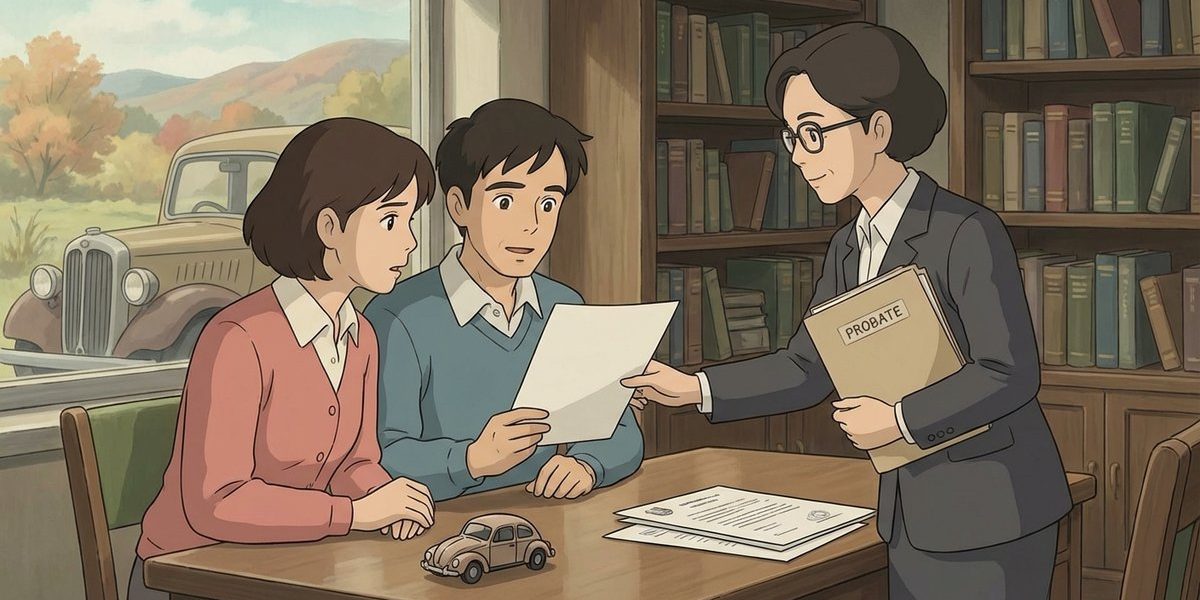
Can someone who is storing a deceased person’s vehicle refuse to release it until the title is in my name, and what can I do to get it back? – North Carolina
Short Answer
In North Carolina, a person storing a deceased person’s vehicle often will not release it to a family member unless that family member can show legal authority to take possession (usually Letters of Administration/Letters Testamentary or a DMV-approved heir affidavit). They do not have to “put the title in a living person’s name” first, but they can insist on proof that the person picking it up has the right to do so. The usual solution is to open an estate (or use a small-estate option if available) so a personal representative can demand the vehicle and then transfer title through the DMV.
Understanding the Problem
In North Carolina probate, the key question is: when a person dies without a will, can an heir take a decedent’s vehicle from a relative’s property without first having court authority or DMV paperwork showing who has the right to possess and retitle the vehicle? This issue usually comes up when the vehicle is not jointly owned with a surviving owner, the estate has not been opened, and a third party is holding the vehicle and wants documentation before releasing it.
Apply the Law
Under North Carolina law, a vehicle titled in a deceased person’s name is typically an estate asset unless it passes automatically (for example, by joint ownership with survivorship). When an estate asset needs to be collected, the person with legal authority is usually the court-appointed personal representative (administrator when there is no will). For DMV purposes, North Carolina also has specific “transfer by operation of law” rules that allow title to be reissued based on estate documents, and in some situations based on an affidavit signed by the heirs when no administration is pending.
Key Requirements
- Legal authority to possess the vehicle: A court-appointed personal representative generally has the clearest authority to take control of estate property and deal with third parties holding it.
- DMV-acceptable transfer paperwork: To move the title out of the decedent’s name, the DMV typically requires estate documents (often Letters of Administration/Letters Testamentary and a death certificate) or another DMV-approved method for inheritance transfers.
- All heirs’ interests must be handled correctly: If there are multiple heirs (including minor heirs through a deceased child), the transfer path may require additional signatures, a guardian, or a court process so the minor’s interest is protected.
What the Statutes Say
- N.C. Gen. Stat. § 20-77 (Transfer by operation of law; unclaimed vehicles) – Explains how the DMV can issue a new title when ownership changes by inheritance/estate documents, and also addresses reporting and sale procedures for unclaimed/abandoned vehicles in certain situations.
- N.C. Gen. Stat. § 20-52 (Application for registration and certificate of title) – Sets out the general requirement to apply for a new title/registration using DMV forms and required owner information.
Analysis
Apply the Rule to the Facts: Here, the vehicle is titled in a person who died intestate, and no estate has been opened. That means no one currently has the clean, court-issued authority (Letters of Administration) that most third parties rely on before releasing estate property. The situation is more complicated because one child died after the decedent and left minor children, which creates a minor-heir interest that can limit who can sign paperwork to transfer or sell estate property, including a vehicle, without additional steps.
Process & Timing
- Who files: Usually the surviving spouse or an adult heir. Where: The Clerk of Superior Court (Estates) in the county where the decedent lived at death. What: An application to open an estate and qualify an administrator (to obtain Letters of Administration). When: As soon as practical once it becomes clear a third party will not release the vehicle without authority.
- Collect the vehicle: After qualification, the administrator can present certified Letters (and typically a certified death certificate) to the person storing the vehicle and request release. If the vehicle is being treated as “unclaimed,” the holder may also be required to follow DMV reporting steps and lien-sale procedures rather than keeping the vehicle indefinitely.
- Transfer title properly: The administrator can then transfer title through the DMV to the appropriate heir(s) or sell the vehicle as part of administration, using the title assignment and DMV application forms required for an estate transfer. If the estate is small enough and no administration is pending, a DMV heir-affidavit route may be available, but it generally requires cooperation of all heirs and careful handling of any minor-heir interest.
Exceptions & Pitfalls
- Joint ownership changes everything: If the title shows joint ownership with survivorship, the surviving owner may be able to retitle with a death certificate and DMV paperwork, without opening a full estate.
- Minor heirs can block “everyone sign an affidavit” solutions: When a deceased child’s share passes to minor children, a transfer may require a guardian or court involvement before anyone can sign away or distribute the minor’s interest.
- Storage and lien-sale leverage: A person storing a vehicle may claim storage charges or attempt to use lien/unclaimed-vehicle procedures. The safest response is usually to get a personal representative appointed quickly and communicate in writing, rather than arguing about “who owns it” informally.
Conclusion
In North Carolina, a person storing a deceased person’s vehicle can insist on proof of legal authority before releasing it, and the cleanest proof is usually certified Letters of Administration for a court-appointed administrator. The vehicle does not necessarily need to be titled in a living person’s name before it can be picked up, but estate or DMV transfer paperwork is typically required. The most practical next step is to open the estate with the Clerk of Superior Court so an administrator can obtain Letters and demand release of the vehicle promptly.
Talk to a Probate Attorney
If a deceased family member’s vehicle is being held and release is being conditioned on title paperwork, our firm has experienced attorneys who can help sort out the right probate path, handle minor-heir complications, and move quickly to get the documents needed to recover the vehicle. Call us today at (919) 341-7055.
Disclaimer: This article provides general information about North Carolina law based on the single question stated above. It is not legal advice for your specific situation and does not create an attorney-client relationship. Laws, procedures, and local practice can change and may vary by county. If you have a deadline, act promptly and speak with a licensed North Carolina attorney.

