
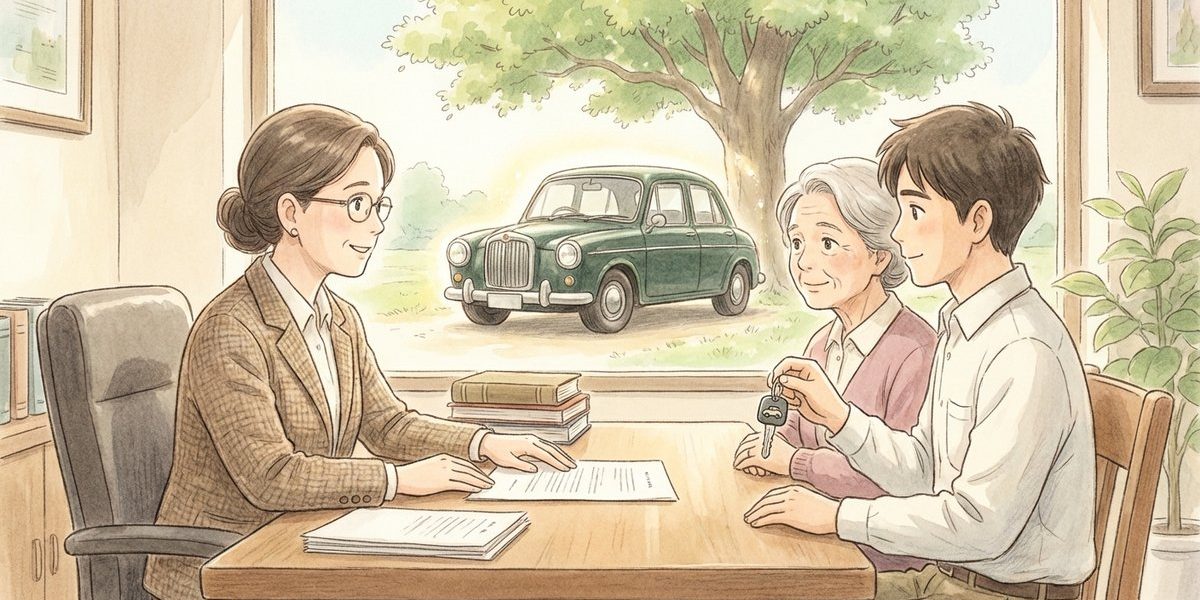
Can someone legally use or keep the deceased person’s vehicle while probate is pending? – North Carolina
Short Answer
In North Carolina, a family member may be able to use a deceased person’s vehicle briefly for safekeeping and practical needs, but no one has a clear legal right to keep, sell, or retitle the vehicle just because probate is “pending.” Until a personal representative (administrator) is appointed or a DMV/court-approved small-estate transfer process applies, the vehicle should be treated as an estate asset that must be preserved for creditors and heirs.
Understanding the Problem
In North Carolina probate, the question is whether a family member can lawfully take possession of, drive, or hold onto a deceased person’s car while the estate is being opened and no will has been found. The key decision point is whether someone has legal authority to control the vehicle on behalf of the estate, or whether the vehicle must remain untouched except for basic preservation until the proper authority is in place.
Apply the Law
Under North Carolina estate administration, a deceased person’s vehicle is typically part of the probate estate unless it passes outside probate (for example, by survivorship title or another non-probate transfer). When the estate is intestate and no personal representative has qualified yet, no family member automatically steps into the decedent’s shoes with full authority to keep, sell, gift, or retitle the car. The usual path is for a court-appointed personal representative to collect and protect estate property and then distribute it under North Carolina intestacy rules after addressing valid debts and required allowances. In limited situations, North Carolina law also allows a simplified DMV affidavit process to transfer a deceased owner’s vehicle title without full administration.
Key Requirements
- Authority to act for the estate: A person generally needs court-issued Letters (Letters of Administration in an intestate estate) or a specific small-estate/DMV procedure that authorizes a title transfer.
- Preservation of estate property: While probate is pending, the vehicle should be safeguarded (kept insured, protected from loss, and not treated as personal property of any one heir).
- Proper transfer of title: “Keeping” the vehicle in a legal sense usually means a lawful title transfer (or lawful distribution) through the estate process or an authorized DMV transfer method.
What the Statutes Say
- N.C. Gen. Stat. Chapter 20 (Motor Vehicles) – North Carolina’s motor vehicle laws include procedures for transferring title, including special rules that can apply when an owner has died.
- N.C. Gen. Stat. Chapter 28A (Administration of Decedents’ Estates) – Sets out the framework for appointing a personal representative and administering estate assets during probate.
Analysis
Apply the Rule to the Facts: Here, the estate is being opened in North Carolina and no will has been located, so the matter may proceed as an intestate estate. That means the vehicle is generally treated as an estate asset until a clerk of superior court appoints an administrator (or a narrow DMV transfer process applies). A family member who simply keeps driving the car as if it is already “theirs” risks creating conflict with other heirs and may create problems if the estate later needs the vehicle to pay expenses or if the vehicle should be distributed to someone else under intestacy rules.
Process & Timing
- Who files: A person with priority to serve (often a surviving spouse or heir). Where: The Clerk of Superior Court in the county where the decedent lived in North Carolina. What: An application to qualify as administrator and receive Letters of Administration (local AOC estate forms are commonly used). When: As soon as practical after death, especially if a vehicle must be insured, stored, or sold to prevent loss.
- Secure and document the vehicle: Once appointed, the personal representative typically takes control of the vehicle, confirms the title status and any lien, keeps it insured, and decides whether the estate will distribute it to an heir or sell it for the estate.
- Transfer or sale through the proper channel: If the vehicle is sold, DMV and buyers often require proof of authority (commonly the Letters) and other supporting documents. If the situation qualifies for a simplified DMV transfer method, the heirs may be able to complete the DMV affidavit process and submit it through the clerk/DMV to retitle without full administration.
Exceptions & Pitfalls
- “Use” versus “keep”: A short-term, practical use (for example, moving the car to a safe location) is different from treating the vehicle as already owned by one family member. Long-term exclusive use can trigger disputes and may require reimbursement to the estate depending on what happened and why.
- Title and DMV problems: Even if the family agrees informally, DMV usually will not retitle the vehicle without the correct authority and paperwork. A local license plate agency may also be unfamiliar with estate transfer options, which can delay retitling.
- Liens and insurance: If there is a lien, it must be addressed as part of any transfer. Also, driving an uninsured or improperly insured vehicle during the transition can create major risk for the driver and the estate.
- Small-estate/DMV affidavit limits: North Carolina has narrow procedures that can avoid full administration for certain estates and a separate DMV affidavit process for certain vehicle transfers when no personal representative has qualified or is expected to qualify. These options have specific eligibility requirements and signature/certification steps, and they do not fit every case.
For more detail on who can sign and what paperwork is typically required, see who is allowed to sign an estate vehicle title and a simplified small-estate option just to retitle a vehicle.
Conclusion
In North Carolina, a deceased person’s vehicle should generally be treated as an estate asset while probate is pending, and no family member automatically has the legal right to keep, sell, or retitle it before proper authority exists. The cleanest path is usually to have an administrator appointed by the Clerk of Superior Court and then transfer or distribute the vehicle through the estate, unless a narrow DMV/small-estate procedure applies. Next step: file to qualify for Letters of Administration with the Clerk of Superior Court as soon as practical.
Talk to a Probate Attorney
If you’re dealing with a deceased family member’s vehicle while an estate is being opened and no will has been found, our firm has experienced attorneys who can help explain the options, paperwork, and timelines. Call us today at [919-341-7055].
Disclaimer: This article provides general information about North Carolina law based on the single question stated above. It is not legal advice for your specific situation and does not create an attorney-client relationship. Laws, procedures, and local practice can change and may vary by county. If you have a deadline, act promptly and speak with a licensed North Carolina attorney.

