
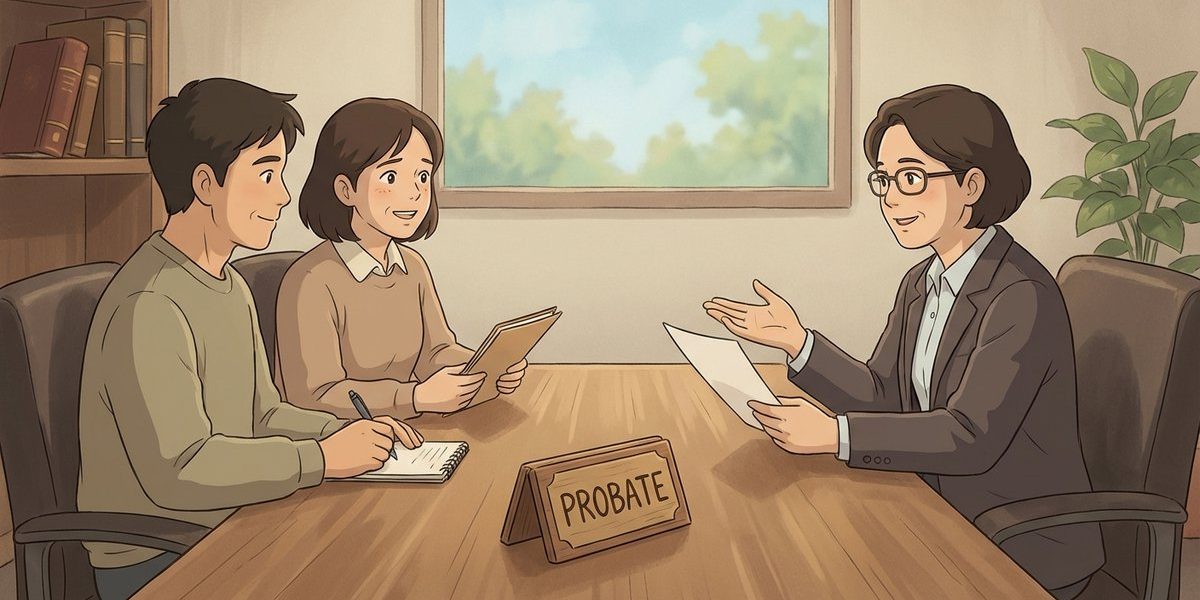
Can my spouse join the probate consultation, and do we both need to be involved to get started? – North Carolina
Short Answer
Yes. In North Carolina, a spouse can join a probate consultation, and it is often helpful when the spouse has information about assets, debts, or family members. To get started, the key person is usually the proposed personal representative (executor/administrator), but both spouses do not have to attend unless both are decision-makers or both will be signing documents. Many probate matters can begin by phone or video, with in-person steps handled later if the Clerk of Superior Court requires them.
Understanding the Problem
In a North Carolina probate matter, can a surviving family member bring a spouse to the initial attorney consultation, and must both spouses participate before the probate process can begin with the Clerk of Superior Court? The practical issue is whether the right decision-maker and the right information are present at the first meeting, especially when the goal is to start remotely instead of traveling for an in-person appointment.
Apply the Law
North Carolina probate (estate administration) is handled through the Clerk of Superior Court, who has original jurisdiction over probate and estate administration matters. The person who typically needs to act first is the person who will serve as the estate’s personal representative (often called the executor if there is a will, or the administrator if there is no will). A spouse may attend the consultation, but the law generally focuses on who has authority to act for the estate and who must sign and file documents with the clerk.
Key Requirements
- Identify the decision-maker: The consultation is most productive when the proposed personal representative participates, because that person is usually the one who must apply to qualify and carry out estate duties.
- Gather core estate information: Early steps depend on basic facts such as whether there is a will, what assets are probate vs. non-probate, what debts exist, and who the heirs/beneficiaries are.
- Plan for signatures and notarization: Even if the consultation is remote, some probate-related documents may need notarization or filing with the clerk, and the signing process should be planned to avoid delays.
What the Statutes Say
- N.C. Gen. Stat. § 7A-241 (Probate jurisdiction) – Gives the Clerk of Superior Court authority to handle probate and estate administration matters.
- N.C. Gen. Stat. § 10B-134.7 (Remote electronic notarization authority) – Allows remote electronic notarization in North Carolina when the notary is physically located in North Carolina and other requirements are met.
- N.C. Gen. Stat. § 10B-134.9 (Remote notarization requirements) – Sets procedural requirements for remote notarization, including identity verification and safeguards against incapacity or undue influence.
Analysis
Apply the Rule to the Facts: The goal is to start a North Carolina probate matter without traveling and to decide whether a spouse should join the consultation. A spouse can attend because probate planning often requires family knowledge about assets, debts, and paperwork, and having that information early helps the personal representative move faster. However, the person who usually must be involved to “get started” is the person who will qualify as the personal representative and sign the initial filings with the Clerk of Superior Court.
Process & Timing
- Who files: Typically the nominated executor (if there is a will) or an eligible family member seeking appointment as administrator. Where: The Clerk of Superior Court in the county where the decedent lived at death (or otherwise the proper North Carolina venue). What: The initial probate/estate opening paperwork required by that clerk’s office (form names and packet requirements vary by county). When: As soon as practical after death, especially if assets need access, bills must be paid, or deadlines are approaching.
- First attorney meeting (remote is often workable): A phone or video consult can cover the procedural overview, expected timeframe, and the difference between assets that are subject to probate and assets that pass outside probate (for example, certain beneficiary-designated accounts). This is also the stage to identify whether the surviving spouse has a role (for example, as proposed personal representative, a key information holder, or the person who will receive most assets).
- Signing and filing: After the plan is set, documents may be signed and notarized. Depending on the document and the clerk’s requirements, remote notarization may be an option under North Carolina law, but some steps may still require in-person handling or wet signatures. Once filed and accepted, the clerk issues the authority documents needed to act for the estate.
Exceptions & Pitfalls
- Only certain people have authority: A spouse may be the main family contact, but if the will names someone else as executor (or if another person must apply as administrator), that person’s participation is often necessary to move forward efficiently.
- Remote is fine for advice, but filings are clerk-driven: A remote consultation can start the legal work, but the Clerk of Superior Court controls what must be filed, how signatures must be handled, and what the office will accept. County practice can differ.
- Notarization rules are technical: Remote notarization is allowed in North Carolina in many situations, but it has specific procedural requirements and is not a one-size-fits-all solution. Planning the signing process early helps avoid rejected documents and re-signing.
For readers also considering fully remote probate logistics, see handle my inheritance matter remotely and handle the probate process without traveling.
Conclusion
In North Carolina, a spouse can join a probate consultation, and that added support often helps gather documents and clarify family and asset details. To get started, the person who usually must be involved is the proposed personal representative, because that person typically signs and files the opening paperwork with the Clerk of Superior Court. The next step is to schedule a phone or video consultation and assemble the will (if any), a basic asset/debt list, and a list of heirs/beneficiaries so the correct filing path can be chosen promptly.
Talk to a Probate Attorney
If you’re dealing with a North Carolina probate matter and trying to start the process remotely while coordinating family involvement, our firm has experienced attorneys who can help explain options, paperwork, and timelines. Call us today at (919) 341-7055.
Disclaimer: This article provides general information about North Carolina law based on the single question stated above. It is not legal advice for your specific situation and does not create an attorney-client relationship. Laws, procedures, and local practice can change and may vary by county. If you have a deadline, act promptly and speak with a licensed North Carolina attorney.

