
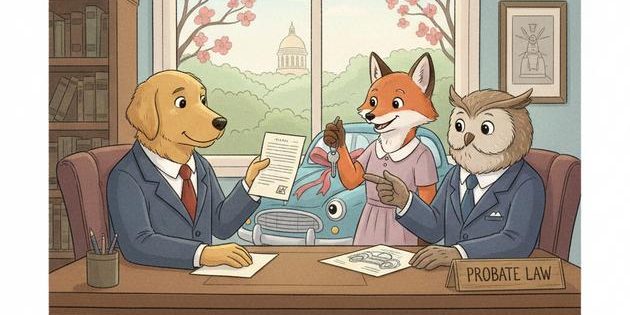
Can I use a spousal year’s allowance or similar option to claim the vehicle, and what documents do I need to file? – North Carolina
Short Answer
Under North Carolina law, a surviving spouse can often use the spousal year’s allowance or a related no‑probate DMV process to have a vehicle retitled without opening a full estate. The usual routes are: (1) having the vehicle specifically allotted to the spouse as part of the year’s allowance by the clerk of superior court, or (2) if no personal representative will be appointed, using an affidavit process through the Division of Motor Vehicles. Each option requires specific forms from the clerk and DMV plus a death certificate.
Understanding the Problem
The narrow question here is whether, in North Carolina probate, a surviving spouse can rely on the spousal year’s allowance or a similar shortcut to claim and retitle a deceased spouse’s vehicle without going through full estate administration, and what paperwork that requires. This typically comes up when a spouse dies without a will, the main jointly owned assets pass outside probate, and the only remaining titled probate asset is a vehicle in the decedent’s name alone. The concern is how to get that vehicle into the surviving spouse’s name efficiently while still complying with North Carolina probate and DMV rules.
Apply the Law
North Carolina provides a statutory year’s allowance for a surviving spouse and allows vehicles to be transferred either as part of that allowance or, in certain small or no‑administration estates, through an affidavit process with DMV. The main forum is the clerk of superior court in the county where venue is proper for estate matters, and the key timing issue is whether a personal representative has been or will be appointed, because that affects both deadlines and which procedure is available.
Key Requirements
- Spousal year’s allowance eligibility: The person must be a surviving spouse who is not barred from claiming an allowance and must file a verified petition with the proper clerk of superior court.
- Clerk’s assignment of the vehicle: For the allowance route, the clerk must include the vehicle as part of the personal property awarded to the spouse in the written Application and Assignment of Year’s Allowance.
- No‑administration DMV affidavit option: If no personal representative has qualified and none is expected, the estate fits the “no administration/small estate” criteria, and all heirs cooperate, DMV may transfer title based on a sworn affidavit instead of letters of administration.
What the Statutes Say
- N.C. Gen. Stat. § 30-15 (Spouse’s allowance) – Gives a surviving spouse a $60,000 year’s allowance for support and explains how and when to claim it.
- N.C. Gen. Stat. § 30-19 (Property awarded) – Directs the clerk to determine which personal property is awarded to the spouse and children as allowance.
- N.C. Gen. Stat. § 30-20 (Procedure for assignment) – Explains how the clerk assigns specific personal property and enters an order.
- N.C. Gen. Stat. § 30-27 (Additional allowance) – Allows a spouse or child to seek an additional allowance within set time limits, if needed.
- N.C. Gen. Stat. § 20-77(b) (DMV transfer on death) – Authorizes DMV to transfer title on death based on a will, letters, a clerk’s certificate of assignment as part of the year’s allowance, or, in certain no‑administration cases, an affidavit executed by all heirs.
Analysis
Apply the Rule to the Facts: In a typical scenario like the one described, the main probate‑type asset is a car in the deceased spouse’s name only, with the home and bank account already passing to the surviving spouse outside probate. That makes the year’s allowance a practical way to have the vehicle specifically allotted to the spouse by the clerk without opening a full estate. If no personal representative is appointed, and the clerk does not include the car in the allowance, the DMV affidavit process under the motor vehicle statute can also allow a title transfer, provided all heirs sign and the estate meets the no‑administration/small‑estate conditions.
Process & Timing
- Who files: The surviving spouse. Where: Clerk of Superior Court, Estates Division, in the North Carolina county where venue is proper under the estate venue statute. What: A verified petition for spouse’s year’s allowance (AOC Form E‑100), listing the vehicle and other personal property. When: There is no outside time limit unless a personal representative has been appointed; then the petition must be filed within six months after letters testamentary or administration are issued.
- After filing, the clerk reviews the petition and supporting documents (including a death certificate) and, if satisfied, signs the Application and Assignment of Year’s Allowance (AOC Form E‑100), specifying which assets, including the vehicle, are awarded to the spouse. Certified copies of this assignment can then be obtained from the clerk.
- To complete the title transfer, the spouse submits the assigned original title, the certified Application and Assignment of Year’s Allowance, a certified death certificate, and DMV title forms (typically Form MVR‑1 and any other required DMV form) to the Division of Motor Vehicles or a license plate agency. In a no‑administration case where the allowance route is not used, the heirs instead complete DMV’s Affidavit of Authority to Assign Title (Form MVR‑317) and file it with DMV along with the original title and a death certificate.
Exceptions & Pitfalls
- If a personal representative has already qualified or is expected to qualify and full administration will proceed, DMV will usually require letters of administration or testamentary instead of the no‑administration affidavit.
- If there are other heirs besides the spouse, the DMV affidavit route requires signatures from all heirs; missing or unwilling heirs can block that option and may force use of the allowance or full probate.
- Failing to list the vehicle on the year’s allowance application can result in the clerk not assigning it, which then complicates using the allowance as authority for transfer at DMV.
- Because the allowance is limited to personal property and has a dollar cap by statute, very high‑value vehicles or multiple vehicles may not all be covered, and other procedures, such as estate administration or additional allowance, may be needed.
- DMV requirements and forms (including title application and odometer disclosure) can change; using outdated forms or omitting required insurance and tax certifications can delay or prevent retitling.
Conclusion
In North Carolina, a surviving spouse can generally claim and retitle a deceased spouse’s vehicle without full probate either by having the car awarded as part of the statutory year’s allowance through the clerk of superior court, or, in a no‑administration small‑estate situation, by using DMV’s affidavit process authorized by statute. The key step is to file a verified year’s allowance petition (AOC Form E‑100) with the clerk and then present the clerk’s assignment and required DMV forms, or, if no allowance is used and no administrator will qualify, to file DMV’s Affidavit of Authority to Assign Title with the title and death certificate.
Talk to a Probate Attorney
If a loved one has died in North Carolina leaving a vehicle in their name and the goal is to avoid full probate while retitling that car, our firm has experienced probate attorneys who can help explain the year’s allowance and DMV options and walk through the forms and deadlines. Call us today at (919) 341-7055.
Disclaimer: This article provides general information about North Carolina law based on the single question stated above. It is not legal advice for your specific situation and does not create an attorney-client relationship. Laws, procedures, and local practice can change and may vary by county. If you have a deadline, act promptly and speak with a licensed North Carolina attorney.

