
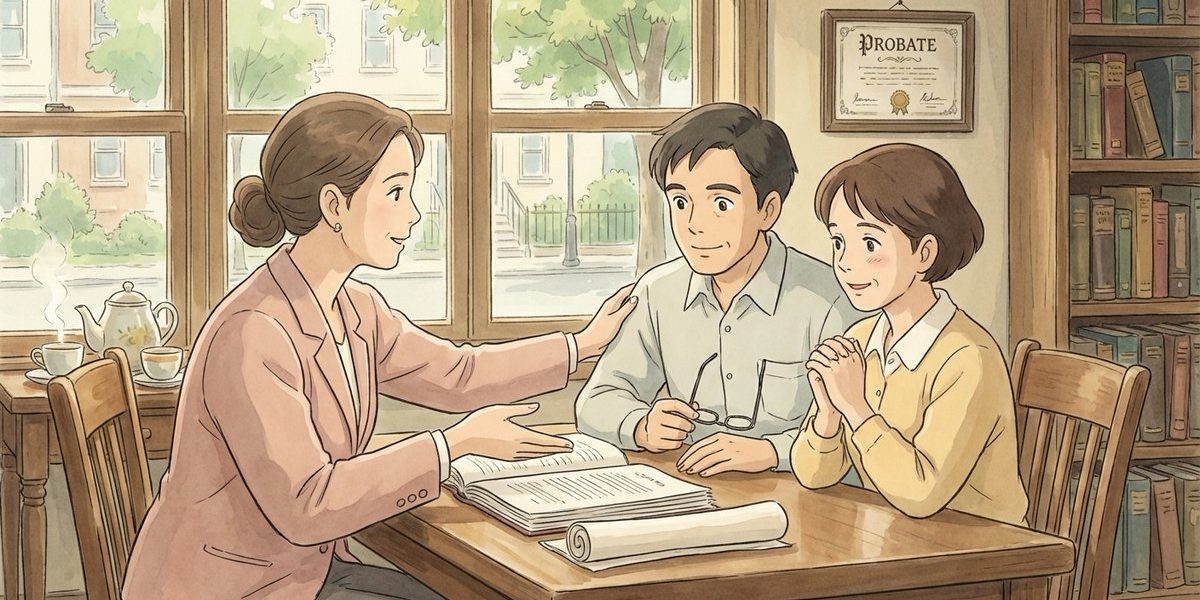
Can I speak with a lawyer about what steps come next after a stepparent dies and leaves a will? – NC
Short Answer
Yes. In North Carolina, it often makes sense to speak with a probate lawyer soon after a stepparent dies and leaves a will because the next steps usually involve locating the original will, taking it to the Clerk of Superior Court, and deciding whether a full estate administration is needed. A lawyer can help identify who should act, what forms the clerk may require, and which deadlines matter first.
Understanding the Problem
In North Carolina probate matters, the main question is whether a person connected to a deceased stepparent’s estate can talk with a lawyer to understand what must happen next with the will, who may need to act, and when the estate process should begin. This issue usually centers on the named executor, family members, or beneficiaries trying to determine the proper first step after death and before property can be transferred under the will.
Apply the Law
Under North Carolina law, probate and estate administration start in the office of the Clerk of Superior Court in the county with jurisdiction over the estate. If the decedent left a will, the original will generally should be delivered to the clerk as soon as possible after death, and if the named executor does not present it for probate within 60 days, another interested person may ask the clerk to probate it after giving 10 days’ notice. In many estates, the clerk admits the will to probate and, if administration is needed, issues Letters Testamentary to the personal representative so that person can act for the estate.
North Carolina practice also distinguishes between merely filing a will and actually probating it. Filing alone can make the document part of the public record, but probate is what allows the clerk to recognize the will formally, and a will generally must be probated to pass title to property under the will. County clerk practices can vary on forms, e-filing steps, and whether the clerk expects the application package to be prepared before the appointment, so early legal review can prevent delays.
Key Requirements
- Locate the original will: The clerk usually needs the original signed will, not just a copy, unless a separate lost-will procedure applies.
- Identify the proper personal representative: The named executor usually has the first right to qualify, but that person may renounce or be unable to serve.
- Open the estate in the right forum and on time: The estate is handled through the Clerk of Superior Court, and the will should be presented promptly, with a key 60-day trigger if the executor does not act.
What the Statutes Say
- N.C. Gen. Stat. § 7A-241 (Probate jurisdiction) – Gives the superior court division, through the clerk, original jurisdiction over probate and estate administration.
- N.C. Gen. Stat. § 31-39 (Probate necessary to pass title) – Explains that a duly probated will is effective to pass title to real and personal property.
- N.C. Gen. Stat. § 31-11 (Will safekeeping with clerk) – Allows a will to be deposited with the clerk for safekeeping during life, which can matter if the family cannot find the original after death.
Analysis
Apply the Rule to the Facts: Here, the matter appears to involve a stepparent’s death, an existing will, and a follow-up meeting to decide what legal help may be needed for estate administration. That makes a lawyer consultation appropriate because the first legal questions are practical ones: whether the original will has been located, whether a full estate must be opened, and whether the person named in the will is ready and qualified to serve as executor. If the original will cannot be found, or if the named executor does not act promptly, the next steps can change quickly.
The facts also suggest the family is still at the stage of gathering information rather than completing probate filings. In that setting, a lawyer often reviews the death certificate or other proof of death, the will and any codicils, the list of heirs and beneficiaries, and the basic asset picture to determine whether the estate needs full administration, probate without qualification, or another procedure. For a broader overview of the first stage, see the first legal steps to take right after a loved one dies.
Process & Timing
- Who files: Usually the named executor or another interested person if the executor does not act. Where: The Clerk of Superior Court in the North Carolina county handling the estate. What: The original will, an application for probate and letters, an oath, and any bond or related qualification papers the clerk requires. When: The will should be delivered as soon as possible after death; if the named executor does not present it within 60 days after death, another interested person may seek probate after 10 days’ notice.
- The clerk reviews the will, supporting papers, and the proposed personal representative. Depending on county practice, some documents may be prepared in advance and filed electronically, but the original will still must be delivered to the clerk’s office.
- If the clerk admits the will to probate and administration is needed, the clerk issues a certificate of probate and Letters Testamentary. The personal representative can then begin collecting estate assets, dealing with notices and claims, and moving the estate toward closing. For a related overview, see how to start the probate process after a family member has passed.
Exceptions & Pitfalls
- If the original will is missing, a copy may not be enough by itself, and a separate lost-will procedure may be needed.
- Simply filing a will is not the same as probating it, and filing alone may not be enough to transfer title under the will.
- County clerk practices differ on forms, filing steps, and supporting documents, so incomplete paperwork or failure to bring the original will can slow the process.
Conclusion
Yes. In North Carolina, speaking with a probate lawyer after a stepparent dies and leaves a will is a practical way to confirm who should act, whether the estate needs full administration, and what must be filed with the Clerk of Superior Court. The key threshold is usually whether the original will has been located and whether a personal representative must qualify. The next step is to bring the will and basic estate information to counsel, then file the probate papers with the clerk as soon as possible.
Talk to a Probate Attorney
If a family is dealing with a stepparent’s death and needs to understand what happens next with the will, our firm has experienced attorneys who can help explain the probate process, likely timelines, and the clerk filing steps. Call us today at 919-341-7055.
Disclaimer: This article provides general information about North Carolina law based on the single question stated above. It is not legal advice for your specific situation and does not create an attorney-client relationship. Laws, procedures, and local practice can change and may vary by county. If you have a deadline, act promptly and speak with a licensed North Carolina attorney.

