
Can I get a copy of my parent’s will if I am named to receive money from the estate? – NC
Short Answer
Usually, yes. In North Carolina, once a will is offered for probate, it becomes part of the court file, and a person named to receive money from the estate can usually get a copy from the Clerk of Superior Court. A personal representative may ask for a signed receipt before mailing a check so the estate has written proof that the beneficiary accepted the distribution, but signing a receipt is not the same as giving up all rights unless the document also includes release language.
Understanding the Problem
In North Carolina probate, the main question is whether a child who is named in a parent’s will to receive a cash gift can obtain a copy of that will before acknowledging the payment. The issue usually comes up after the parent has died, the estate representative says a gift is being paid, and a receipt is sent for signature first. The answer turns on whether the will has been filed for probate and what the receipt actually asks the beneficiary to confirm.
Apply the Law
Under North Carolina law, a will is not open for public inspection while the maker is alive if it is only being kept for safekeeping with the clerk. Once the testator dies and the will is offered for probate, the will becomes the operative estate document, and the probate file is generally available through the Clerk of Superior Court in the county handling the estate. In practice, a person named in the will as a legatee or devisee can usually review the filed will, confirm the amount or type of gift, and request a copy from the clerk. The estate is administered through the office of the Clerk of Superior Court, and the personal representative uses receipts and records to support the estate accounting and final closing.
Key Requirements
- Will must be filed for probate: Before probate, the contents of a will kept with the clerk for safekeeping are not open to inspection by others. After probate, the filed will is generally part of the court record.
- Beneficiary status matters: A person named to receive a specific cash gift has a direct interest in knowing what the will says about that gift and whether any conditions apply.
- Receipt should match the payment only: A receipt can serve as proof that the beneficiary received the check, but it should be reviewed carefully to see whether it is only an acknowledgment of payment or also a broader release of claims.
What the Statutes Say
- N.C. Gen. Stat. § 31-11 (Will filed for safekeeping) – a will kept with the clerk during the testator’s life is not open to inspection until it is offered for probate.
- N.C. Gen. Stat. § 31-39 (Probate necessary to pass title) – a will becomes legally effective to pass property when it is duly probated.
- N.C. Gen. Stat. § 98-5 (Copy of will as evidence) – a certified copy of the will and probate record may be used as competent evidence.
Analysis
Apply the Rule to the Facts: Here, the child was told that the parent left a specific cash gift in the will, but the child has not seen the will and does not know the exact terms. If the will has already been filed in the North Carolina probate estate, the child can usually ask the Clerk of Superior Court for a copy and confirm what the gift says before signing anything. The request for a receipt is not unusual because the personal representative needs proof for the estate file and later accounting, but the child should check whether the document is only a receipt or also a release.
If the document simply says that the beneficiary received a stated amount from the estate, it usually functions as a record of payment. If it also says the beneficiary releases the personal representative or waives further notice, objections, or claims, that is a different document and should be read carefully before signing. That distinction matters because estate practice often uses signed receipts to support the final accounting, but broader waiver language can affect later disputes.
For related questions about probate records and beneficiary rights, see how to find out what the will says and whether someone is listed as a beneficiary and what a beneficiary can do if the executor will not provide a copy of the will.
Process & Timing
- Who files: the named executor or another proper applicant. Where: the Estates Division of the Clerk of Superior Court in the North Carolina county where the decedent lived. What: the original will is offered for probate, and the clerk opens the estate file. When: as part of starting estate administration after death; if a will is needed to pass title against certain third parties, North Carolina law sets an outside limit tied to the earlier of final account approval or two years from the date of death.
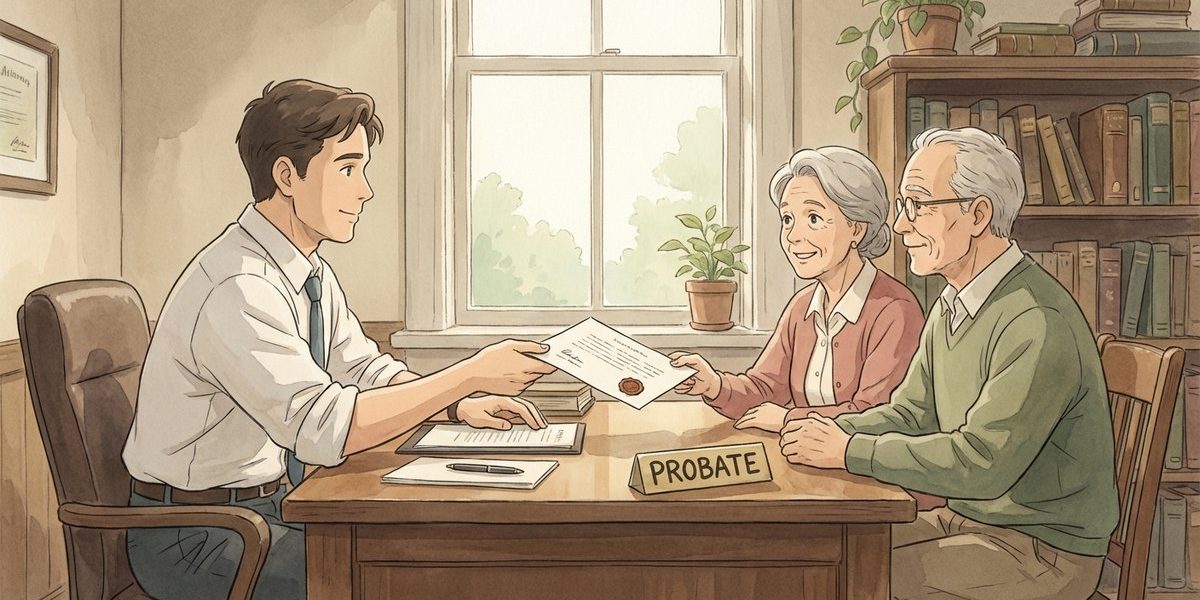
- After the estate file is opened, the beneficiary can contact the Clerk of Superior Court to inspect the probate file and request a plain or certified copy of the will. The personal representative may then send a receipt for the beneficiary to sign before or with the distribution check so the estate has proof of payment.
- At the end of administration, the personal representative uses receipts, canceled checks, and other records to support the final account and close the estate.
Exceptions & Pitfalls
- A will that has not yet been offered for probate may not be available for inspection just because the parent has died.
- A receipt may include waiver or release language beyond simple acknowledgment of payment; signing without reading can create avoidable disputes.
- County procedures for requesting copies, paying copy fees, and reviewing estate files can vary, so the Clerk of Superior Court’s office may have local steps.
Conclusion
Yes, in most North Carolina probate cases, a child named to receive money under a parent’s will can get a copy once the will has been filed for probate with the Clerk of Superior Court. The key threshold is whether the will has actually been offered for probate. The next step is to request the probate file from the Clerk of Superior Court and review the receipt carefully before signing, especially if it includes anything beyond acknowledging payment.
Talk to a Probate Attorney
If a family member has died, a gift under the will is being paid, and there are questions about seeing the will or signing a receipt first, our firm has experienced attorneys who can help explain the probate file, the distribution process, and the timelines involved. Call us today at 919-341-7055.
Disclaimer: This article provides general information about North Carolina law based on the single question stated above. It is not legal advice for your specific situation and does not create an attorney-client relationship. Laws, procedures, and local practice can change and may vary by county. If you have a deadline, act promptly and speak with a licensed North Carolina attorney.

