
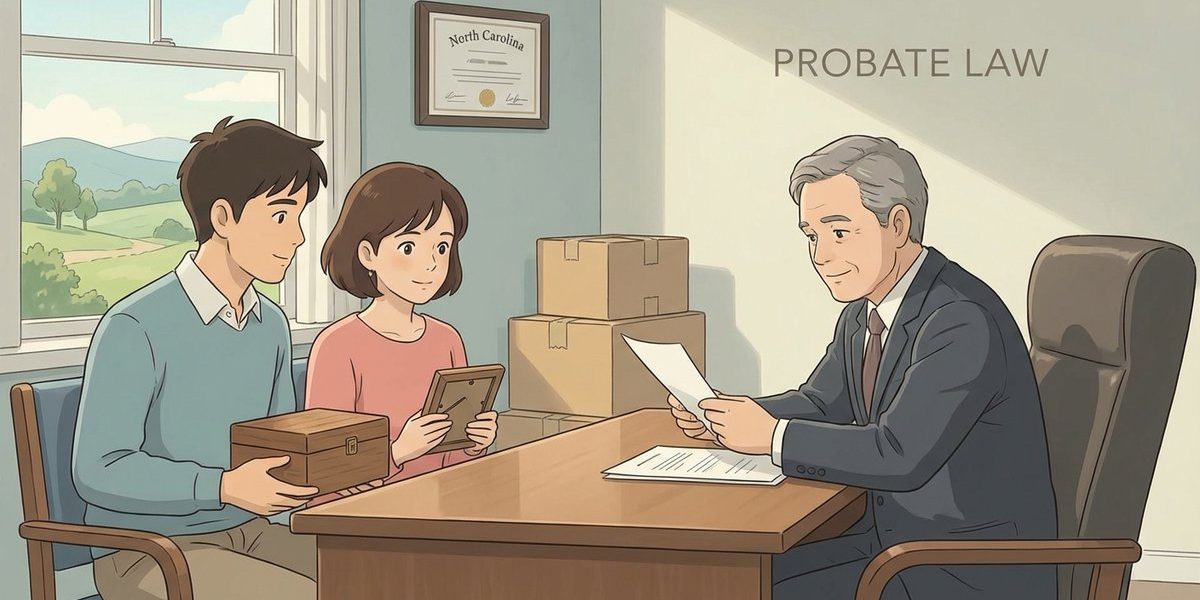
Can an heir or family member get access to the property to retrieve sentimental items before the estate sells it? – North Carolina
Short Answer
Sometimes, but not automatically. In North Carolina, the personal representative (executor/administrator) controls access to estate property during administration and can allow a supervised pickup of sentimental items if it does not interfere with protecting the property or completing a sale. If the personal representative refuses or there is a dispute about what can be removed, the issue is usually handled through the Clerk of Superior Court in an estate proceeding.
Understanding the Problem
In North Carolina probate, the common question is: can an heir or family member enter a decedent’s condo before closing to retrieve sentimental items, or must everything stay in place until the estate finishes the sale? The decision point is who has the legal authority to control access and remove items while the estate is being administered. This often comes up when a condo is listed and sells quickly, and family members want to recover photos, letters, or other keepsakes while the personal representative is also trying to protect the property and meet the buyer’s timeline.
Apply the Law
Under North Carolina law, the personal representative (PR) has the job of collecting, safeguarding, and managing estate assets and paying valid expenses and claims before distributing what is left to heirs. Even though real estate often passes to heirs/devisees at death subject to administration, the PR can take possession, custody, and control of estate real property when the PR believes that control is in the estate’s best interest (for example, to secure the condo, coordinate showings, and complete a sale). Practically, that means access to the condo and removal of items should be coordinated through the PR (or the PR’s attorney/agent), not handled informally by family members.
Key Requirements
- Authority to control access: The PR generally decides who can enter and what can be removed while the estate is being administered, especially when a sale is pending and the property must be secured.
- Protection of estate assets: The PR must safeguard property and avoid losses, missing items, or disputes that could delay closing or create liability for the estate.
- Clear agreement on what is taken: Sentimental items are often also estate property. A pickup should be documented (photos, list, witnesses, written permission) so the PR can still account for the estate and avoid later conflict among heirs.
What the Statutes Say
- N.C. Gen. Stat. § 28A-13-3 (Duties and powers of personal representative) – authorizes the PR to take steps to manage and protect estate property, including taking possession/custody/control when needed for administration.
- N.C. Gen. Stat. § 28A-15-2 (Title to property) – addresses how title to a decedent’s property passes at death, subject to the estate administration process.
- N.C. Gen. Stat. § 28A-16-1 (Sale of personal property) – generally allows a PR to sell personal property without a court order, which is one reason the PR typically controls removal of items from a residence.
Analysis
Apply the Rule to the Facts: Here, the condo was listed and quickly sold, which usually means the personal representative needed the unit secured, market-ready, and available for showings and closing tasks. That timing makes informal entry by family members risky because it can create disputes about missing items or interfere with the buyer’s expectations about what stays with the property. A supervised, scheduled pickup approved by the personal representative is often possible, but it should be limited to clearly identified sentimental items and documented so the estate can still account for what was removed.
Because the caller also mentioned paperwork about alleged child support owed, it is important to separate issues: access to retrieve keepsakes is an administration/control question, while reimbursement for alleged support arrears is a creditor-claim question with its own rules and deadlines. The PR may be willing to allow access for keepsakes even while a claim is being evaluated, but the PR also may refuse access if there is conflict, uncertainty about ownership, or a risk to the sale.
Process & Timing
- Who approves access: The personal representative. Where: coordinated through the PR (and often the listing agent) for the condo. What: a written permission message and a short pickup plan (date/time, who attends, what items are allowed, and how items will be documented). When: as early as possible, because once a closing date is set, access windows can shrink quickly.
- Document the pickup: Make a list of items, take photos before and after, and have a neutral witness present. If multiple heirs exist, consider having all interested heirs agree in writing to avoid later accusations of taking more than sentimental items.
- If the PR says no or a dispute exists: The next step is usually an estate proceeding before the Clerk of Superior Court (the probate court in North Carolina) to resolve the dispute and set rules for access or distribution of specific items.
Exceptions & Pitfalls
- “Sentimental” does not mean “not part of the estate”: Items like jewelry, collectibles, and even family photos can still be estate property. Removing them without PR approval can create conflict and potential liability.
- Real estate sale logistics: If the condo is staged, insured, or subject to buyer inspections, unscheduled entry can violate agreements or create security issues. The PR may require the listing agent or another person to be present.
- Disputes among heirs: If one family member is allowed in alone, others may later claim items were taken. A short written agreement and documentation usually prevents this problem.
- Household furnishings and spousal rights: In some estates, there are timing restrictions and priority rights that affect household furnishings and allowances. If a surviving spouse’s rights are in play, the PR may be more cautious about letting items leave the home before those issues are resolved.
For additional background on how estate property sales are handled in North Carolina, see selling estate real estate to pay creditors and whether a sale can move forward before the inventory is approved.
Conclusion
In North Carolina, an heir or family member usually cannot simply enter an estate-owned condo and remove sentimental items before a sale. The personal representative controls access during administration and may allow a supervised, documented pickup if it protects the estate and does not disrupt closing. If the personal representative refuses or family members disagree about what can be removed, the dispute is typically resolved through the Clerk of Superior Court. The next step is to request written permission and a scheduled pickup plan from the personal representative as soon as possible.
Talk to a Probate Attorney
If you’re dealing with access to an estate home or condo while it is being listed or sold, our firm has experienced attorneys who can help explain the personal representative’s authority, how to document a keepsake pickup, and what to do if a dispute develops. Call us today at (919) 341-7055.
Disclaimer: This article provides general information about North Carolina law based on the single question stated above. It is not legal advice for your specific situation and does not create an attorney-client relationship. Laws, procedures, and local practice can change and may vary by county. If you have a deadline, act promptly and speak with a licensed North Carolina attorney.

