
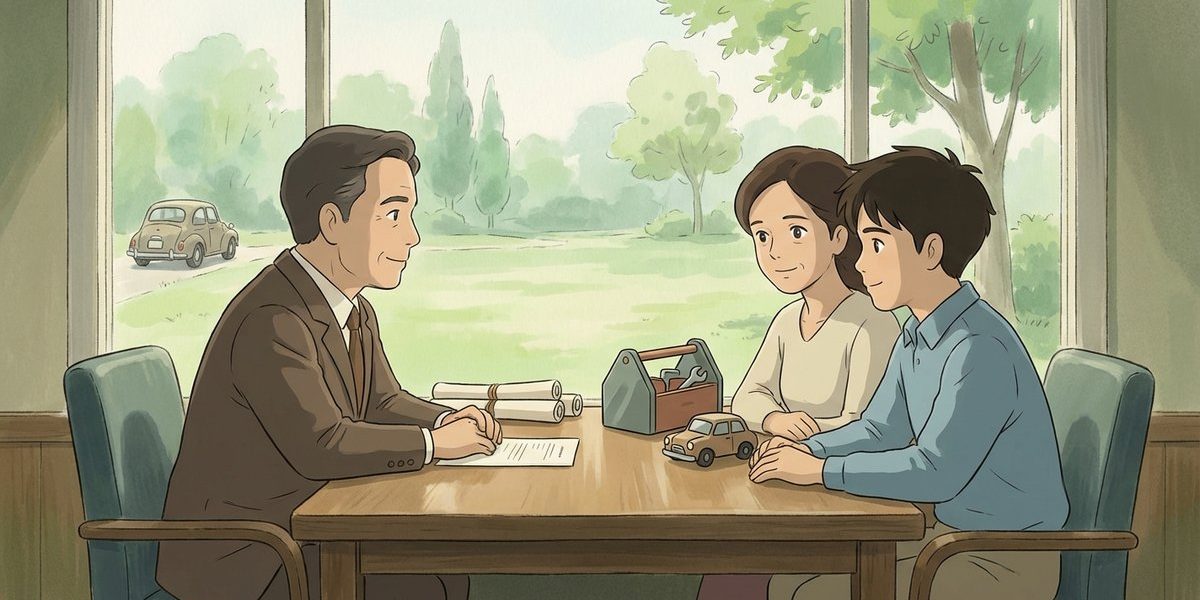
Can a surviving spouse keep me off the property if my own vehicles and toolbox are still there? – NC
Short Answer
Usually, yes for the residence itself, at least until a court or the estate process says otherwise. In North Carolina, a surviving spouse who remains in possession of the home can often control entry to the property, but that does not automatically give the spouse ownership of vehicles, tools, or other items that belong to someone else. If personal property is being withheld or sold, the safer path is to open or review the estate file, identify the personal representative, and use the clerk of superior court or a civil action to recover specific items rather than trying to enter the property without permission.
Understanding the Problem
In North Carolina probate matters, the single issue is whether a surviving spouse who is still at the decedent’s residence can block another family member from entering the property when that family member claims certain vehicles and a toolbox are their own property and remain there after the death. The answer often turns on who has lawful possession of the home, whether an estate has been opened, and whether the disputed items are estate assets or separately owned property. This question is about access and recovery of identified personal property, not about dividing the whole estate.
Apply the Law
Under North Carolina law, death does not make every item at the residence belong to the surviving spouse. If no will has been admitted and no personal representative has been appointed, ownership questions can remain unsettled for a time, but the surviving spouse’s possession of the home still does not authorize self-help by other family members. If the decedent died without a will, the surviving spouse receives an intestate share of estate property under North Carolina’s succession statutes, and the clerk of superior court handles several spouse-related estate determinations. When a dispute involves property that allegedly belongs to someone other than the decedent, the main question is title and immediate right to possession, and North Carolina procedure allows a civil action for possession of specific personal property wrongfully detained.
Key Requirements
- Ownership of the item: The person seeking return of a vehicle, toolbox, or other item must be able to show the item is not part of the decedent’s estate and instead belongs to that person.
- Wrongful detention: The person in control of the property must be refusing access or keeping the item without a legal right to do so.
- Proper forum and process: Probate issues go through the clerk of superior court in the estate file, while recovery of specific personal property may require a separate civil action against the person who has possession or control.
What the Statutes Say
- N.C. Gen. Stat. § 29-14 (Share of surviving spouse) – explains the surviving spouse’s intestate share of real and personal property when there is no valid will in probate.
- N.C. Gen. Stat. § 30-19 (Property awarded to surviving spouse and children) – governs the year’s allowance for a surviving spouse and children, with the clerk of superior court handling the proceeding in the proper county.
- N.C. Gen. Stat. § 31C-5 (Recovery of property by personal representative from surviving spouse; duty of personal representative) – addresses recovery by the personal representative of certain property from a surviving spouse and includes a written-demand procedure before the representative is liable for failing to recover the property.
- N.C. Gen. Stat. § 30-3.4 (Procedure for determining the elective share) – shows that elective-share claims are handled through a petition filed with the clerk of superior court and must be filed within six months after issuance of letters testamentary or letters of administration.
Analysis
Apply the Rule to the Facts: Here, the key split is between control of the residence and ownership of the vehicles and toolbox. If the surviving spouse was living with the decedent at the home and remains in possession, that spouse can often refuse entry until the estate process or a court directs otherwise. But if the vehicles and toolbox can be shown to belong to [INDIVIDUAL] rather than the decedent, those items are not automatically estate property and should not be sold as part of the estate merely because they are located at the residence.
If no will has been located in the court file, the matter may be proceeding as intestate unless a will is later found and admitted. That affects the surviving spouse’s share of estate property, but it does not transfer ownership of a third party’s separately owned items. North Carolina practice also treats possession claims carefully: the person seeking return of personal property generally must proceed against the person who actually has possession or control, and must be prepared to prove ownership and the right to immediate possession.
If the surviving spouse is listing collectible vehicles, tools, firearms, equipment, and other property for sale before an estate representative sorts out what belongs to the estate and what belongs to others, that creates a practical risk of loss and a proof problem. In that setting, the strongest immediate step is usually to document ownership of each disputed item, confirm whether letters testamentary or letters of administration have been issued, and direct a written demand to the person handling the estate or to the spouse if no representative has yet been appointed. For related access issues, see access the home and my parent’s personal effects and get access to the property to retrieve sentimental items.
Process & Timing
- Who files: the person claiming ownership of the vehicles or toolbox, or the estate’s personal representative if the dispute concerns estate assets. Where: first, the Estates Division before the clerk of superior court in the North Carolina county where the estate is administered; if needed, a separate civil action in the proper trial court against the person in possession. What: the estate file, any letters testamentary or letters of administration, a written demand for return, and if necessary a complaint seeking possession of specific personal property. When: as soon as possible, especially before any sale occurs; if the surviving spouse seeks an elective share, the statute gives six months after issuance of letters testamentary or letters of administration for that separate spouse claim.
- Next, gather title papers, registration records, receipts, photographs, serial numbers, text messages, insurance records, or witness statements showing who owns each item. The clerk may address estate administration issues, but a judge in a civil action may be needed if the dispute is really about whether a non-estate owner is entitled to immediate possession of specific property.
- Final step and expected outcome/document: the matter may end with a voluntary turnover, a clerk’s order affecting estate administration, or a court order directing possession of identified property and stopping further interference with those items.
Exceptions & Pitfalls
- A surviving spouse may have a valid claim to some property because it was jointly owned, passed outside probate, or falls within the spouse’s statutory rights, so not every item at the residence is automatically available for removal.
- A common mistake is assuming family status alone gives a right to enter the home. In North Carolina, entering without permission can create separate problems even when personal property is inside.
- Another common mistake is relying only on verbal claims of ownership. Vehicles, firearms, tools, and equipment often require records that tie the item to the claimant, and delay can make tracing and recovery much harder if the item is moved or sold.
Conclusion
In North Carolina, a surviving spouse who remains in possession of the home can often keep others off the property for the time being, but that does not automatically make the spouse the owner of vehicles, tools, or other items that belong to someone else. The controlling issue is ownership and immediate right to possession. The next step is to file or review the estate matter with the clerk of superior court and make a prompt written demand for return of the identified property before any sale occurs.
Talk to a Probate Attorney
If a surviving spouse is blocking access to a residence while disputed vehicles, tools, or other property remain inside, our firm has experienced attorneys who can help evaluate ownership, estate procedure, and the fastest way to protect the property from sale. Call us today at [919-341-7055].
Disclaimer: This article provides general information about North Carolina law based on the single question stated above. It is not legal advice for your specific situation and does not create an attorney-client relationship. Laws, procedures, and local practice can change and may vary by county. If you have a deadline, act promptly and speak with a licensed North Carolina attorney.

