
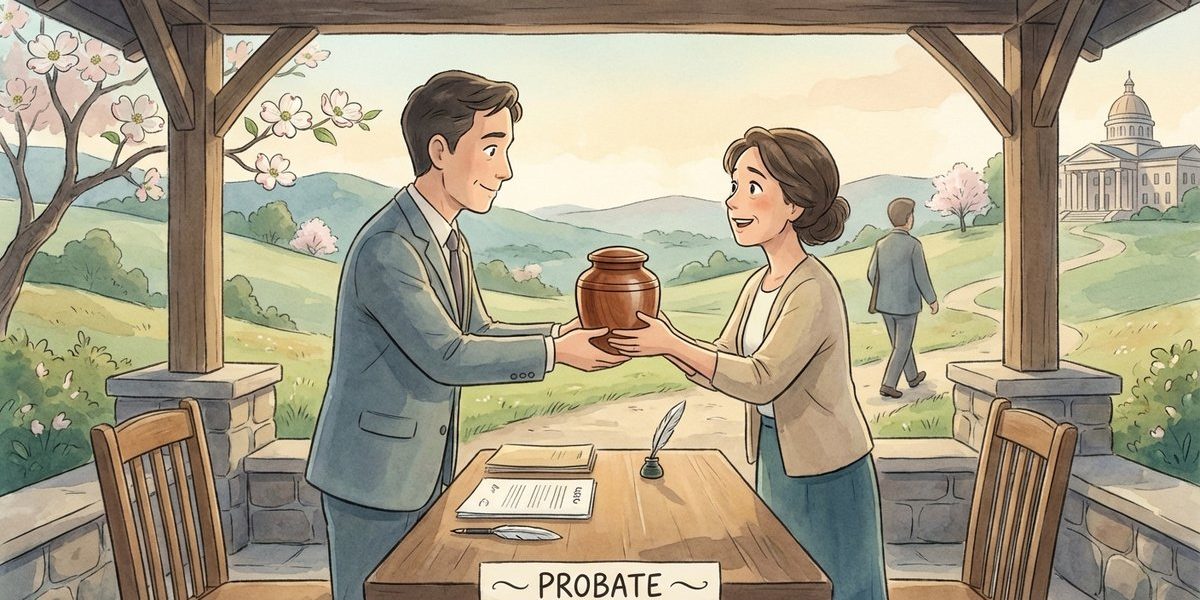
As the executor, how can I get the deceased person’s ashes returned if someone took them from the property? – North Carolina
Short Answer
In North Carolina, an executor (personal representative) can often use the Clerk of Superior Court’s estate proceeding process to demand the return of estate property that someone is holding, and the clerk can enter an order requiring the property to be turned over. If the cremated remains (ashes) were taken, the fastest practical steps are usually (1) a written demand for return, (2) a report to law enforcement, and (3) a verified petition with the Clerk of Superior Court seeking an order to recover the property. If the person refuses to comply with a clerk’s order, the order can be enforced through civil contempt.
Understanding the Problem
In North Carolina probate, the core question is whether the executor can use the estate administration process to require a person who removed items from the decedent’s property to return the decedent’s cremated remains (ashes). The decision point is whether the ashes are being held by a private person (not a funeral home) and can be identified and returned as specific property, so the Clerk of Superior Court can order delivery to the estate’s authorized representative.
Apply the Law
North Carolina law gives a personal representative tools to recover property that belongs to the estate when someone else has it. One common route is an estate proceeding before the Clerk of Superior Court seeking an order that the person in possession deliver the property back to the estate. Separately, North Carolina’s funeral and cremation statutes focus on who has authority to control disposition and who is authorized to receive cremated remains from a crematory, which can matter when the dispute involves who should have the ashes in the first place.
Key Requirements
- Authority to act for the estate: The executor must be properly appointed (and able to show Letters Testamentary/Letters of Administration) to act on behalf of the estate.
- Estate ownership and identifiable property: The request must identify the specific property to be returned and show it belongs to the decedent’s estate (here, the cremated remains and any container/urn).
- Possession by the respondent: The executor must show there is a reasonable basis to believe the person being pursued has the property (or knows where it is) so the clerk can order delivery if the facts are proven.
What the Statutes Say
- N.C. Gen. Stat. § 90-210.130 (Final disposition of cremated remains) – Addresses responsibility for disposition and release/handling of cremated remains, including that cremated remains are released by the crematory to the individual specified by the authorizing agent.
- N.C. Gen. Stat. § 130A-420 (Authority to dispose of body or body parts) – Sets the priority list for who can control disposition if the decedent did not leave valid written directions.
- N.C. Gen. Stat. § 99A-1 (Recovery of damages for interference with property rights) – Creates a civil claim for wrongful taking/possession of personal property and allows recovery of damages in appropriate cases.
- N.C. Gen. Stat. § 1-472 (Claim for delivery of personal property) – Allows a plaintiff in an action to recover possession of personal property to seek immediate delivery under North Carolina’s claim-and-delivery procedure.
Analysis
Apply the Rule to the Facts: The facts describe a non-relative entering the decedent’s property and removing collectible household items. If the cremated remains were among the items removed, the executor’s first job is to document authority (Letters) and identify the property (ashes/urn) and the person believed to have taken it. If there is a reasonable basis to believe that person has the ashes, an estate recovery proceeding can be used to seek a court order requiring return of that specific property to the estate’s authorized representative.
Process & Timing
- Who files: The executor/personal representative (or, in some situations, another “interested person”). Where: Clerk of Superior Court in the county where the estate is being administered. What: A verified petition in an estate proceeding asking the clerk to order the respondent to deliver the cremated remains (and any related container) to the estate’s representative, with a clear description of the property and why it belongs to the estate. When: As soon as possible after discovery, especially if there is concern the ashes could be scattered, transferred, or made impossible to recover.
- Hearing and order: The clerk typically schedules a hearing in the contested estate proceeding. If the clerk finds the property belongs to the estate and is in the respondent’s possession, the clerk can enter a written order directing return of the property, often with a specific deadline for delivery.
- Enforcement: If the respondent does not comply, the executor can ask the clerk to enforce the order through civil contempt procedures, which are designed to compel compliance with the return order.
Exceptions & Pitfalls
- “Executor” versus “authorizing agent” for cremation: The person who had legal authority to control disposition (and who signed cremation paperwork) is not always the executor. If the dispute is really about who had the right to receive/control the ashes, the priority rules in the disposition statute may matter as much as probate authority.
- Clerk’s power is focused on return of property, not money damages: An estate recovery proceeding is aimed at getting the property back. If the ashes or other items are gone, damaged, or cannot be returned, a separate civil action may be needed to pursue damages (and the strategy can change).
- Identification and proof problems: The more specific the description (container, labels, receipts, crematory paperwork, photos, chain of custody), the easier it is to prove what was taken and to obtain an enforceable return order.
- Service and location issues: Even strong claims can stall if the respondent cannot be located for service of process or if the petition does not clearly allege possession and estate ownership.
- Law enforcement versus civil court: Reporting the taking can help create documentation and may lead to recovery, but law enforcement does not replace the executor’s need to use probate/civil court tools to obtain a binding return order.
Conclusion
In North Carolina, an executor can often pursue the return of a decedent’s ashes as specific estate property by filing a verified petition with the Clerk of Superior Court seeking an order that the person holding the ashes deliver them to the estate’s representative. The key issues are authority to act, proof the ashes belong to the estate, and proof the respondent has them. The most important next step is to file the verified petition with the Clerk of Superior Court promptly after discovery so the ashes are not lost or made impossible to recover.
Talk to a Probate Attorney
If an executor is dealing with cremated remains or other estate property being taken from the decedent’s home, our firm has experienced attorneys who can help explain the options for recovery through the Clerk of Superior Court and civil court, and help move quickly to protect the estate. Call us today at [919-341-7055].
Disclaimer: This article provides general information about North Carolina law based on the single question stated above. It is not legal advice for your specific situation and does not create an attorney-client relationship. Laws, procedures, and local practice can change and may vary by county. If you have a deadline, act promptly and speak with a licensed North Carolina attorney.

