
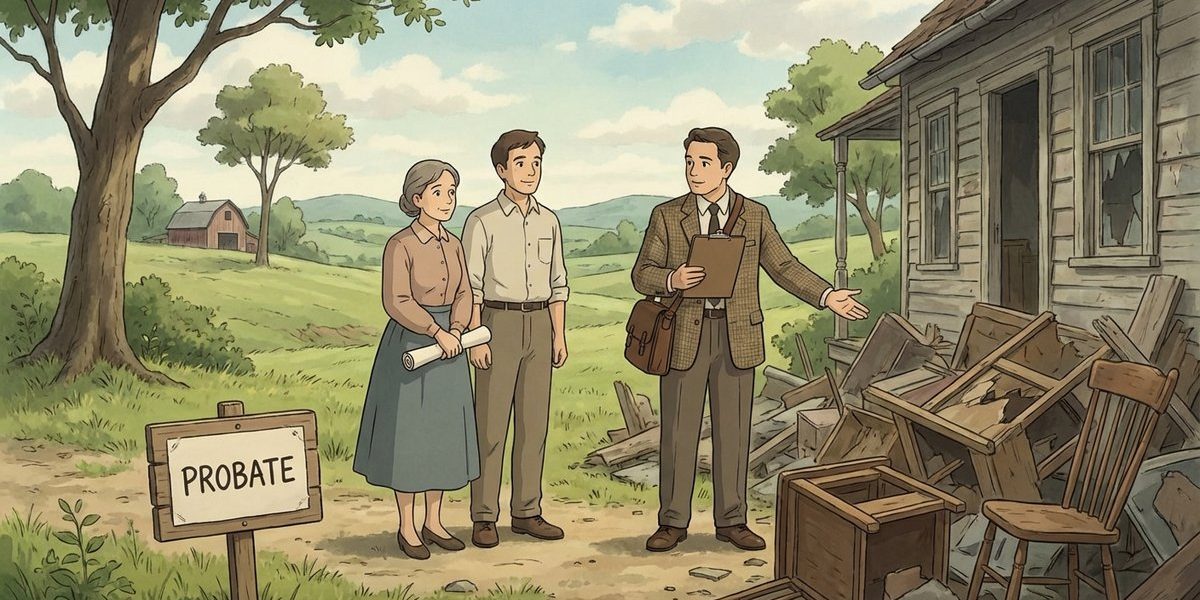
Am I allowed to clear hazardous junk and secure the property before probate is complete, and how can I get liability coverage while the property is in poor condition? – North Carolina
Short Answer
In North Carolina, it is often possible to take practical, safety-focused steps to secure a property and remove immediate hazards before probate is finished, especially when title to the real estate has already shifted outside probate (such as when a life estate ends at death). The key is to avoid actions that look like distributing estate property early or disposing of valuable items without proper authority and documentation. For liability coverage, the usual path is to obtain a vacant-property or dwelling policy (sometimes with a separate personal liability endorsement) and to document the property’s condition and the safety steps taken.
Understanding the Problem
In North Carolina probate, can an out-of-state executor or beneficiary clear hazardous junk and secure a decedent’s property before the estate administration is complete, and what steps can be taken to obtain liability coverage when the property is in poor condition?
Apply the Law
North Carolina treats real estate differently from many other assets during estate administration. In many situations, title to real property vests in the heirs or devisees at death (and a will, once properly probated, is effective to pass title). Even when probate is open, the clerk of superior court oversees the estate administration, and a personal representative may take possession and control of estate assets when doing so helps protect the estate and its administration. Separately, when a life estate ends at death, the remainder owner typically becomes the present owner, which often makes immediate safety and security decisions more straightforward because the real property is not being “held” by the estate in the same way as a bank account.
Key Requirements
- Authority to act: The person arranging cleanup or repairs should have a clear legal role (current owner of the real property, or a qualified personal representative acting for the estate) before making non-emergency decisions that affect estate property.
- Preservation, not distribution: Early actions should focus on safety and preventing loss (locking doors, boarding broken windows, removing biohazards), not on giving away, selling, or discarding items that could be estate assets.
- Documentation and accounting: Before-and-after photos, vendor invoices, and a simple inventory help show that the work was necessary and reasonable and help support any later estate accounting.
What the Statutes Say
- N.C. Gen. Stat. § 31-39 (Probate necessary to pass title; timing and recordation) – Explains that a duly probated will is effective to pass title and includes timing rules that can matter for protecting title against certain third parties.
- N.C. Gen. Stat. § 105-384 (Duties and liabilities of life tenant) – Addresses certain responsibilities tied to life estates (including tax-related duties), which often comes up when a property was held by a life tenant and then shifts to the remainder owner at death.
Analysis
Apply the Rule to the Facts: The real property was previously deeded to the remainder owner, with the decedent holding a life estate, and title has now shifted to the remainder owner. That usually supports taking immediate steps to secure the premises and remove true hazards because those actions look like protecting owned property rather than distributing estate assets. The main caution is that personal property found on-site (tools, collectibles, vehicles, firearms, documents) may still be part of the probate estate, so disposal should be handled like an estate administration task: inventory first, then remove hazards, then decide what can be discarded or sold with appropriate authority and records.
Process & Timing
- Who acts: The current owner of the real property (remainder owner after the life estate ends) and/or the person who will qualify as executor (personal representative) under the will. Where: The Clerk of Superior Court (Estates) in the county where the estate is opened. What: If probate is needed for other assets, qualify as personal representative and obtain letters so third parties (insurers, contractors, banks) will work with the estate. When: As soon as practical after death, especially if the property is unsecured or creating a safety risk.
- Stabilize and document: Photograph the condition, change exterior locks, post “no trespassing” signage if appropriate, stop active leaks, and remove immediate hazards (rotting food, animal waste, needles, moldy porous items) using insured vendors. Keep invoices and a written log of what was removed and why.
- Insurance placement: Contact an insurance agent about a vacant-property or dwelling policy and ask specifically about (a) premises liability coverage, (b) vacancy exclusions, (c) whether the carrier requires certain repairs (handrails, roof holes, utilities off/on), and (d) whether the named insured should be the current owner, the estate, or both depending on who has control and who is being protected.
Exceptions & Pitfalls
- Throwing away estate assets by mistake: “Junk” sometimes includes valuables or important papers. A quick inventory and photo set before disposal helps avoid disputes with other beneficiaries and supports the estate’s accounting.
- Acting without the right capacity: Contractors and insurers often require proof of authority. If the work is being done as executor, qualifying and obtaining letters can prevent delays and reduce personal risk.
- Insurance gaps due to vacancy or condition: Many standard homeowners policies restrict coverage when a home is vacant or in disrepair. A vacant-property policy (or a dwelling policy designed for non-owner-occupied or vacant homes) is often needed until repairs are complete.
Conclusion
In North Carolina, safety-focused steps to secure a property and remove true hazards can often be taken before probate is complete, particularly when the real estate passed outside probate because a life estate ended at death. The main limits are avoiding early distribution and carefully handling any personal property that may belong to the estate. The most practical next step is to qualify with the Clerk of Superior Court (Estates) if probate is needed and then place a vacant-property or dwelling policy that includes premises liability coverage.
Talk to a Probate Attorney
If dealing with an unsafe property while an estate is being handled in North Carolina, our firm has experienced attorneys who can help clarify who has authority to act, how to document cleanup properly, and how to reduce risk while the property is being stabilized. Call us today at (919) 341-7055.
Disclaimer: This article provides general information about North Carolina law based on the single question stated above. It is not legal advice for your specific situation and does not create an attorney-client relationship. Laws, procedures, and local practice can change and may vary by county. If you have a deadline, act promptly and speak with a licensed North Carolina attorney.

