
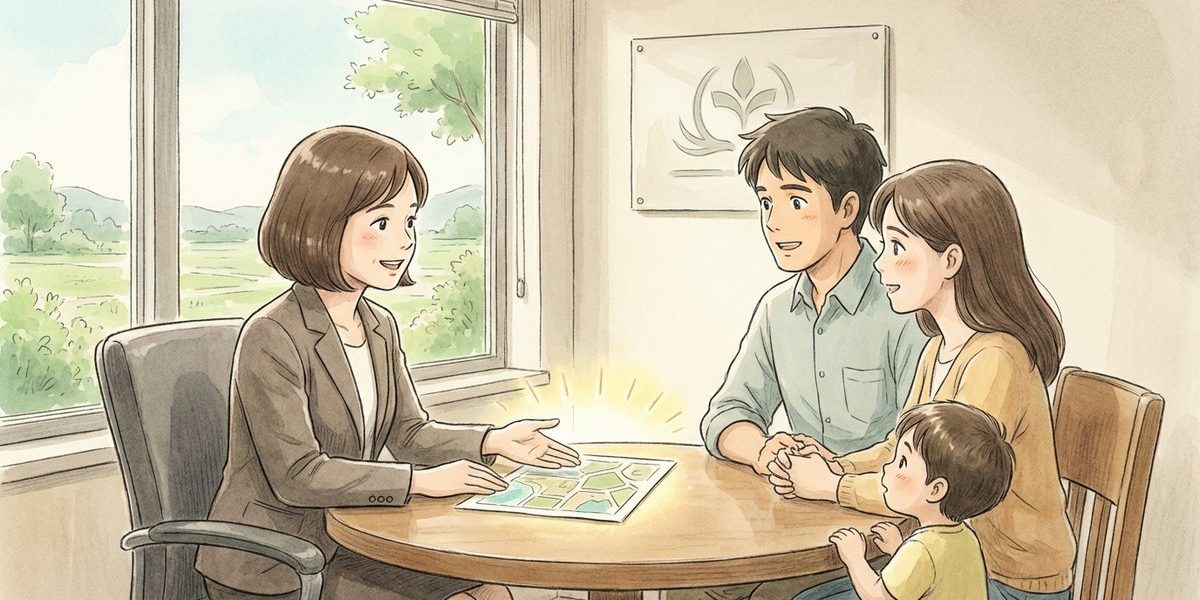
What happens in a partition case when a minor is listed as an owner or respondent? – North Carolina
Short Answer
In North Carolina, when a minor is listed as an owner or respondent in a partition case, the court must protect the minor’s property rights throughout the case. The partition can still move forward, including a court-ordered sale, but the court will require proper representation for the minor and will also require safeguards for the minor’s share of any sale proceeds. In many cases, the minor’s money cannot simply be paid to an adult informally; it must be secured through a court-approved method.
Understanding the Problem
In a North Carolina partition action, co-owners ask the court to divide property or, if division would cause substantial injury, to order a sale and divide the proceeds. The single decision point in a case involving a minor is how the court will ensure the minor is properly represented and how the court will hold or distribute the minor’s share if the land is sold. The case typically runs through the Clerk of Superior Court as a special proceeding, with hearings and notices that affect ownership interests and the timing of any sale.
Apply the Law
North Carolina treats partition as a special proceeding handled through the Clerk of Superior Court, using procedures set by statute. If the court orders a partition sale, the sale process follows the statutory sale procedures, including required notice to the parties. When a party is a minor, North Carolina law requires the court to take “appropriate steps” to secure the minor’s proceeds for the minor’s benefit, which often means paying the funds into a court-controlled process or to a legally authorized fiduciary or custodial arrangement rather than directly to a parent.
Key Requirements
- Proper representation for the minor: The court must ensure the minor’s interests are represented in the partition proceeding so the minor’s ownership rights are not lost by default or by an unprotected agreement.
- Valid notice and opportunity to be heard: The minor (through a representative) must receive the notices required in the case, including notices tied to any ordered sale and key hearings.
- Protection of the minor’s share of proceeds: If the property is sold, the court must secure the minor’s portion using a court-approved method (for example, court administration within statutory limits, a guardian of the estate, or an approved custodial/trust arrangement).
What the Statutes Say
- N.C. Gen. Stat. § 46A-1 (Partition is a special proceeding) – Establishes that partition is handled as a special proceeding, generally before the Clerk of Superior Court.
- N.C. Gen. Stat. § 46A-75 (Sale in lieu of actual partition) – Allows a court-ordered sale when actual division would cause “substantial injury,” and requires specific findings to support a sale order.
- N.C. Gen. Stat. § 46A-76 (Sale procedure; notice) – Ties partition sales to the statutory sale process and includes a mailing requirement at least 20 days before a public sale notice is sent to parties previously served.
- N.C. Gen. Stat. § 46A-86 (Sale proceeds belonging to certain parties) – Requires the court to secure proceeds for a minor’s benefit and lists common court-approved ways to hold or distribute those proceeds.
Analysis
Apply the Rule to the Facts: The notice describes a North Carolina partition action involving multiple tracts, and a minor is listed as a respondent/interest holder. That triggers the court’s duty to ensure the minor is properly represented in the special proceeding and receives required notices through that representation. If the court orders a sale rather than a physical division, the court must also secure the minor’s share of the sale proceeds using a court-approved method instead of leaving the funds unprotected.
Process & Timing
- Who files: A co-owner (petitioner). Where: The partition is typically filed as a special proceeding before the Clerk of Superior Court in the county where the land is located. What: A partition petition naming all owners/claimants as parties, including the minor as a respondent/interest holder. When: After service, the case proceeds on the clerk’s calendar for hearings on ownership interests and whether the property should be divided or sold.
- Representation and participation: When a minor is a party, the court will address how the minor is represented for purposes of hearings, objections, and any agreements. This step is important before the case moves into decisions that affect title or a sale.
- If a sale is ordered: The clerk may appoint a commissioner to conduct the sale. For a public sale, the commissioner must mail notice of sale at least 20 days before the sale to parties previously served, and the sale proceeds are later distributed under court supervision, with additional protections for the minor’s share.
Exceptions & Pitfalls
- Assuming a parent can “stand in” automatically: A parent often has practical involvement, but the court still focuses on whether the minor’s interests are independently protected in the proceeding, especially if other parties’ goals differ.
- Informal payout requests: Even when everyone agrees, the court may not allow a minor’s proceeds to be paid out informally. Under North Carolina law, the court must secure the funds for the minor’s benefit, which may require a formal fiduciary or court-controlled arrangement.
- Notice problems: Partition sales have specific notice steps. If addresses are outdated or service was not handled correctly, it can create disputes that delay distribution and increase costs.
- Unclear ownership shares: If the minor’s exact share depends on inheritance or a complicated family tree, the case may require extra documentation before proceeds can be released. For related issues, see list all current heirs when the family tree is complicated.
Conclusion
In North Carolina, a partition case can proceed even when a minor is listed as an owner or respondent, but the court must protect the minor’s rights. That usually means ensuring proper representation in the special proceeding and, if the land is sold, securing the minor’s share of the proceeds through a court-approved method rather than an informal payout. The key next step is to file an appearance or motion in the partition proceeding to address the minor’s representation and proceeds protection before the next scheduled hearing date.
Talk to a Partition Action Attorney
If a partition case involves a minor ownership interest and a proposed sale of land, an attorney can help track notices, address representation issues, and make sure any sale proceeds are secured in a court-approved way. Call us today at 919-341-7055.
Disclaimer: This article provides general information about North Carolina law based on the single question stated above. It is not legal advice for your specific situation and does not create an attorney-client relationship. Laws, procedures, and local practice can change and may vary by county. If you have a deadline, act promptly and speak with a licensed North Carolina attorney.

