
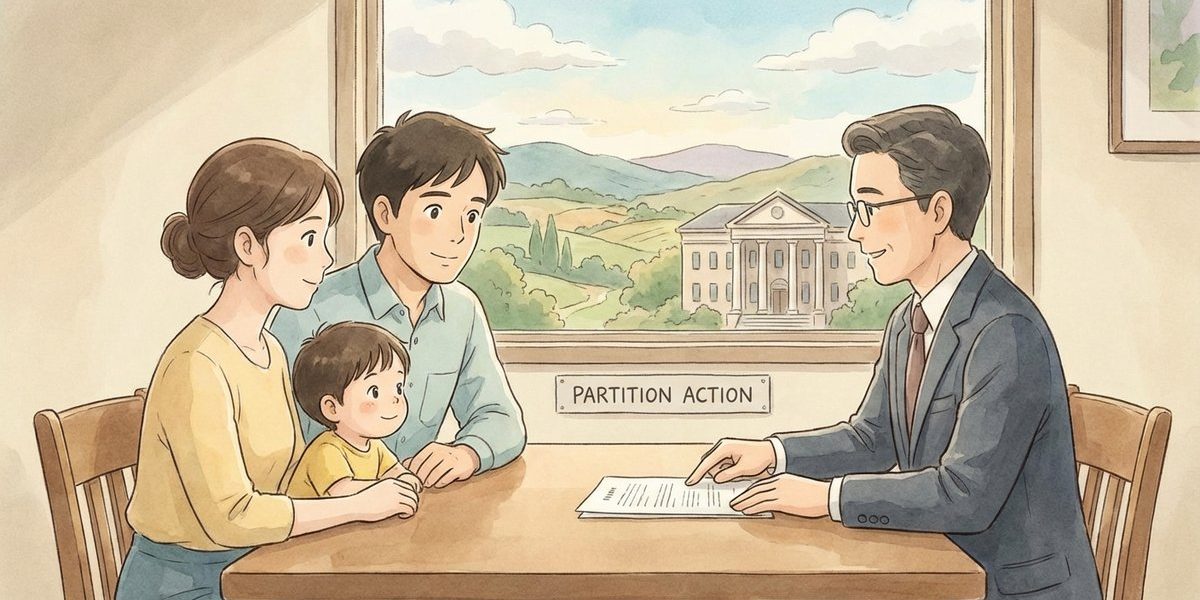
Do we still need to appear at a hearing when the sale is pending closing but not finalized yet? – North Carolina
Short Answer
Often, yes. In a North Carolina partition-by-sale case, the court (usually the Clerk of Superior Court) may still schedule a hearing after an order confirming the sale because the case is not fully finished until the sale is consummated and the court addresses any remaining required steps, such as objections, directions to the commissioner, or distribution-related issues. Missing a noticed hearing can delay closing or lead to orders being entered without that party’s input.
Understanding the Problem
In a North Carolina partition action, can a co-owner skip a noticed court hearing simply because an order confirming the sale has already been entered, even though the closing has not happened yet? The practical issue is that “confirmed” does not always mean “done,” and the Clerk of Superior Court may still need to handle one last decision point before the commissioner can complete the transaction and move the case toward final distribution and closing paperwork.
Apply the Law
North Carolina partition sales follow the judicial sale process. A key concept is that a sale generally cannot be fully completed until the confirmation process is complete and the court is satisfied that required procedures were followed. Even after an order confirming the sale is entered, the court may set hearings to address exceptions/objections, to resolve problems that would prevent closing (title, authority to sign, payoff disputes), or to give directions needed for the commissioner to deliver a deed and complete the sale.
Key Requirements
- Valid confirmation process: The sale generally cannot be consummated until it is confirmed by the proper judicial officer, and confirmation typically occurs only after the upset-bid period expires (when applicable).
- No unresolved objections or motions: If a party files an exception/objection or a motion seeking relief from the confirmation order (for example, alleging mistake, fraud, or collusion), the clerk may need a hearing to decide what happens next.
- Clear authority and instructions to close: The commissioner and closing attorney often need clear court direction on execution of the deed, handling of sale proceeds, and any issues that affect transfer (for example, liens, payoffs, or disputed credits), which can require a hearing.
What the Statutes Say
- N.C. Gen. Stat. § 46A-76 (Sale procedure) – Provides that partition sales generally use North Carolina’s judicial sale procedures.
- N.C. Gen. Stat. § 1-339.67 (Confirmation of sale of real property) – States that a sale of real property may not be consummated until confirmed, and confirmation cannot occur until the upset-bid time expires.
- N.C. Gen. Stat. § 46A-56 (Confirmation of report; appeal; motion for relief) – Addresses confirmation and the ability to seek relief from a confirmation order for mistake, fraud, or collusion (with protections for an innocent purchaser).
Analysis
Apply the Rule to the Facts: Here, an order confirming the sale has been entered, but the closing is not finalized. That gap is a common point where the clerk may still schedule a hearing to make sure no exceptions, motions, or procedural issues remain that could block consummation of the sale or create problems for the commissioner and closing attorney. If the hearing notice relates to objections, directions to the commissioner, or a post-confirmation motion, attendance (or at least a timely response through counsel) can matter even though the case is “on track” to close.
Process & Timing
- Who appears: Any party whose rights could be affected (often all co-owners, or at least the party who filed a motion/objection). Where: The Clerk of Superior Court in the county where the partition case is pending. What: The hearing notice usually corresponds to a specific filing (for example, a motion, an exception/objection, or a request for instructions). When: On the date and time stated in the notice; local scheduling practices vary by county.
- What the clerk may decide: Whether any objection or motion changes the confirmation/closing path, whether additional steps are required before the commissioner can deliver the deed, and what instructions apply to closing logistics and proceeds handling.
- What happens after: If the clerk resolves the issue, the commissioner and closing attorney typically proceed to consummate the sale (signing and recording the deed, collecting funds, and moving toward any remaining court-required steps).
Exceptions & Pitfalls
- “Confirmed” is not always “consummated”: A confirmed sale can still be waiting on deed execution, recording, payoff figures, or court instructions needed to close cleanly.
- Post-confirmation challenges: North Carolina law allows certain post-confirmation relief requests in limited situations (such as mistake, fraud, or collusion), which can trigger a hearing and affect timing.
- Ignoring a notice: Even if the hearing seems unnecessary, failing to appear (or failing to have counsel appear) can lead to orders that affect deadlines, closing conditions, or how proceeds are handled.
Conclusion
In North Carolina, a partition sale can involve hearings even after an order confirming the sale, because the case may still require the Clerk of Superior Court to address objections, motions, or instructions needed to consummate the sale and complete the closing steps. When a hearing notice is issued, it usually means the court needs to decide something before the sale can move forward smoothly. The most practical next step is to review the specific filing tied to the notice and respond or appear at the hearing on the scheduled date.
Talk to a Partition Action Attorney
If a hearing is scheduled even though a partition sale is headed to closing, our firm has experienced attorneys who can help identify what the court is addressing and what needs to be filed or argued to keep the sale on track. Call us today at (919) 341-7055.
Disclaimer: This article provides general information about North Carolina law based on the single question stated above. It is not legal advice for your specific situation and does not create an attorney-client relationship. Laws, procedures, and local practice can change and may vary by county. If you have a deadline, act promptly and speak with a licensed North Carolina attorney.

