
What happens to my relative’s lease and personal property if rent isn’t paid while they’re in the hospital? – North Carolina
Short Answer
In North Carolina, a hospital stay does not pause a residential lease. If rent is not paid, the landlord can usually start an eviction case (called “summary ejectment”) and, after a court process, may gain the right to remove the tenant from the unit.
Personal property left in the unit is not automatically “abandoned” just because someone is hospitalized. But without legal authority (like a court-appointed guardianship), family members often cannot sign lease documents, negotiate move-out terms, or lawfully remove property if the landlord refuses access.
Understanding the Problem
In North Carolina, what happens when an adult tenant becomes incapacitated and cannot sign documents, rent goes unpaid, and a parent needs to retrieve the adult child’s belongings from the rental unit? The decision point is whether someone has legal authority to act for the tenant quickly enough to prevent an eviction, coordinate access with the landlord, and protect the tenant’s personal property while the tenant remains on life support.
Apply the Law
North Carolina generally treats a lease as an ongoing contract even if the tenant is hospitalized. If rent is not paid, the landlord typically must use the court process to regain possession of the unit. Separately, when an adult cannot manage their affairs, a court-appointed guardian (or other legally recognized decision-maker) may be needed to handle housing decisions, pay necessary bills from the person’s funds, and arrange retrieval and storage of personal property.
Key Requirements
- Legal authority to act: For an incapacitated adult, a parent does not automatically have the power to sign lease documents, end a lease, or demand access to the unit. A court order (often a guardianship) may be required if there is no valid power of attorney or other authority.
- Landlord must follow the eviction process: If rent is not paid, the landlord generally must file a court case to remove the tenant and regain possession, rather than locking the tenant out immediately.
- Property handling depends on status and timing: Personal property rights do not disappear because of hospitalization. However, once a landlord lawfully regains possession, rules about storage, retrieval, and disposal can become time-sensitive and fact-specific.
What the Statutes Say
- N.C. Gen. Stat. § 42-36.3 (Death of residential tenant; affidavit process) – Creates a special procedure for a landlord to address property left in a unit when the sole occupant has died; it does not apply just because a tenant is hospitalized.
- N.C. Gen. Stat. § 122C-210 (Guardian to pay expenses out of estate) – In certain cases involving an incompetent individual held under that Chapter, a guardian with control of the person’s estate has a duty to use available funds for support during the stay, which can include keeping essential living arrangements from collapsing when funds exist.
- N.C. Gen. Stat. § 143-127.1 (Parental liability limits for certain state facility costs) – Limits when parents can be responsible for certain state facility charges and confirms that parental financial responsibility does not automatically continue for an adult child in that context.
Analysis
Apply the Rule to the Facts: Here, the adult child is on life support and cannot sign documents, and the parent needs to retrieve personal belongings. Because the tenant is an adult, the parent typically needs legal authority to act (often a guardianship if no other valid authority exists) to deal with lease decisions and to coordinate access with the landlord. If rent is not paid, the landlord can usually start the court eviction process, which can quickly create a situation where access to the unit and property becomes harder to manage without a court order or written permission from the tenant.
Process & Timing
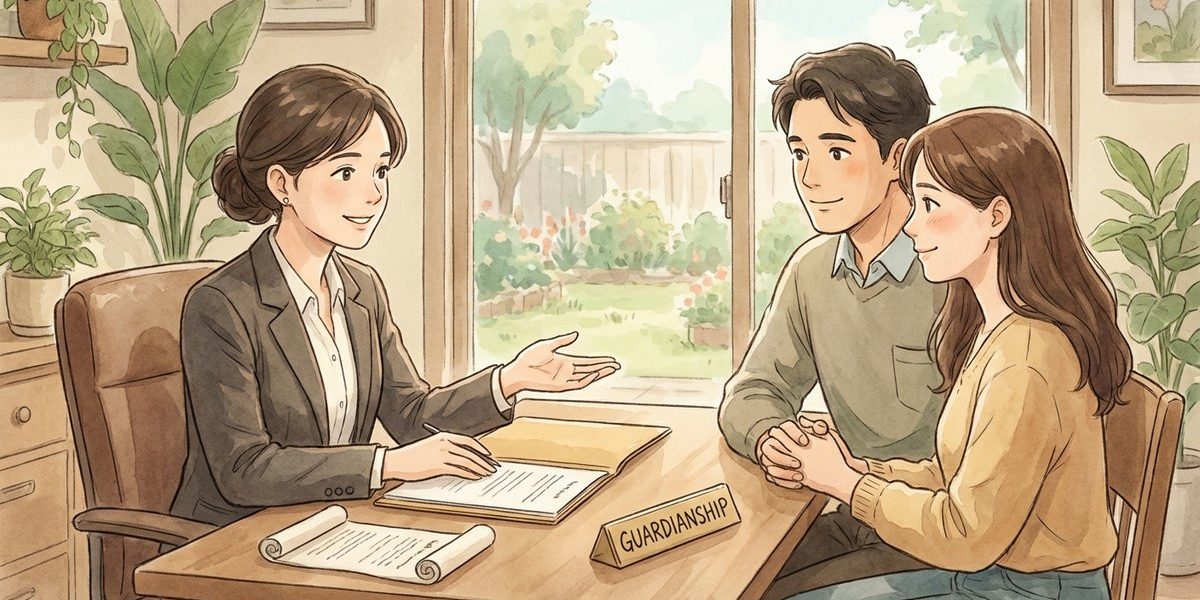
- Who files: If legal authority is needed, an interested family member often starts the guardianship process. Where: The Clerk of Superior Court in the county where the adult lives (or is present, depending on the situation). What: A guardianship petition and supporting paperwork requesting authority to manage the person’s affairs (and, if needed, the person’s money and property). When: As soon as it becomes clear the adult cannot consent and time-sensitive housing/property issues exist.
- Communicate with the landlord early: With proof of authority (or while it is pending), request a short written agreement about access, a supervised pickup time, and whether the landlord will accept payment from the adult child’s funds to stop or delay an eviction filing. Landlords often want clarity about who can legally act.
- Secure and document the property: Once access is arranged, inventory and remove valuables first, photograph the condition of the unit, and move property to a safe location. If the tenant’s funds are available and a guardian has authority over the estate, paying necessary expenses from the tenant’s funds may help prevent loss of housing and reduce the risk of property being treated as left behind after possession changes.
Exceptions & Pitfalls
- Assuming a parent can act automatically: For an adult child, a parent usually cannot sign lease documents, terminate a lease, or demand entry without legal authority, even in a medical crisis.
- Confusing hospitalization with death-based rules: North Carolina has a specific statute for property left after a sole tenant dies, but that is different from a hospitalization situation. Applying the wrong rule can lead to delays and disputes.
- Self-help access risks: Forcing entry, removing property without permission, or taking items without clear authority can create conflict with the landlord and may trigger allegations of theft or trespass, even when intentions are good.
- Missing the chance to stabilize the tenancy: If funds exist and someone has authority to use them, timely payment and a written plan with the landlord can sometimes prevent an eviction filing and reduce the risk of property loss.
Conclusion
In North Carolina, a hospital stay does not stop a lease, and unpaid rent can lead to a court eviction process that may limit access to the unit and complicate retrieval of personal property. A parent usually needs legal authority to act for an incapacitated adult child to manage lease decisions and coordinate a lawful property pickup. The most important next step is to file a guardianship petition with the Clerk of Superior Court as soon as it becomes clear the tenant cannot sign and rent or access issues are time-sensitive.
Talk to a Guardianship Attorney
If a family is dealing with an adult loved one on life support and a lease, rent, and personal property issues are piling up, our firm has experienced attorneys who can help explain options and timelines and help seek the court authority needed to act. Call us today at (919) 341-7055.
Disclaimer: This article provides general information about North Carolina law based on the single question stated above. It is not legal advice for your specific situation and does not create an attorney-client relationship. Laws, procedures, and local practice can change and may vary by county. If you have a deadline, act promptly and speak with a licensed North Carolina attorney.

