
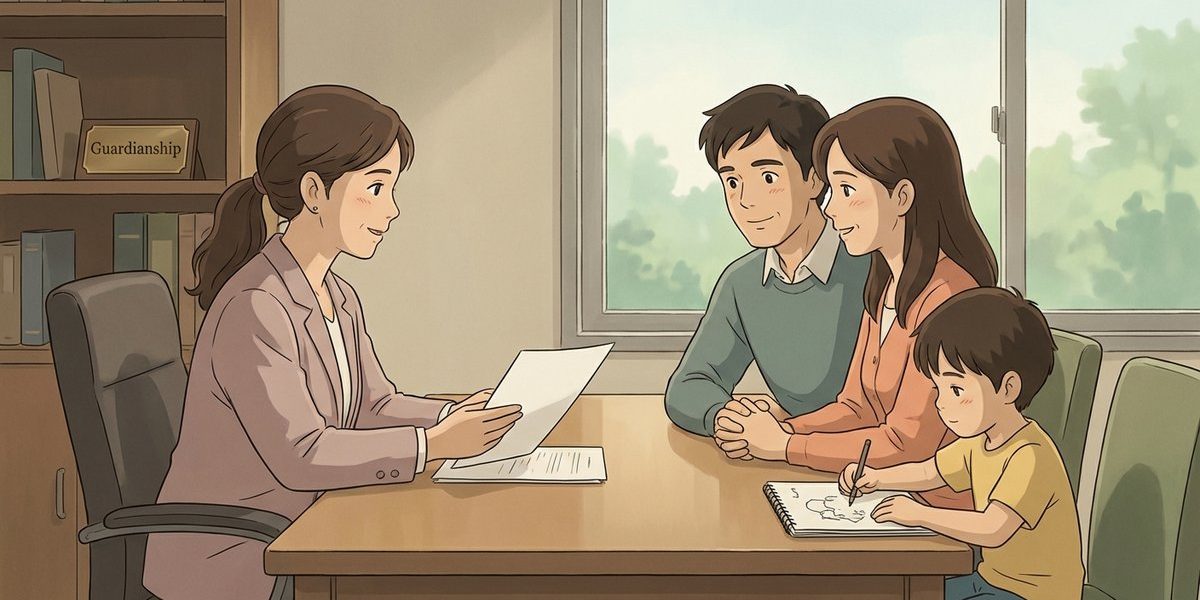
What happens at the first guardianship hearing, and will my child need to attend? – North Carolina
Short Answer
In North Carolina, the first guardianship hearing is usually held before the Clerk of Superior Court and focuses on whether a guardianship is needed, what type of guardianship fits, and who should serve. The clerk can consider testimony and documents, and the hearing may be fairly informal. Whether a child must attend depends on the type of case and the court’s instructions; in many situations the court can excuse an appearance, especially when attendance would not help or would be harmful.
Understanding the Problem
In North Carolina guardianship cases involving a disabled child, the key decision is what happens at the first court hearing and whether the child must appear in person. The first hearing typically asks whether a guardian is needed, what authority the guardian should have, and who should be appointed. The question about attendance usually turns on the child’s situation and what the Clerk of Superior Court (or, in some cases, a District Court judge in juvenile court) requires for that specific hearing.
Apply the Law
Most “standard” guardianship appointments in North Carolina are handled in a special proceeding before the Clerk of Superior Court. At the hearing, the clerk gathers enough information to decide (1) whether a guardianship is required, (2) the nature and extent of the guardianship (including whether a limited guardianship makes sense), and (3) who can most suitably serve. The clerk may rely on testimony and written materials, and can also require additional evaluations or a suitability report when needed. Hearing dates and notice requirements are set by statute, the clerk’s office, and local practice, so timing can vary by county.
Key Requirements
- Proof a guardianship is needed: The clerk must have enough evidence to decide whether the child needs a guardian and what decisions the guardian must be able to make.
- Right “scope” of guardianship: The clerk looks at the nature and extent of the child’s needs and may consider a limited guardianship if only certain decision-making powers are necessary.
- Suitable proposed guardian: The clerk decides who can most suitably serve, which often includes reviewing the proposed guardian’s ability to carry out duties and meet the child’s needs.
What the Statutes Say
- N.C. Gen. Stat. § 35A-1212 (Hearing before clerk on appointment of guardian) – Directs the clerk to inquire into the needed guardianship, the ward’s assets/needs, and who can most suitably serve; allows limited guardianship and permits ordered evaluations or suitability reports in appropriate cases.
- N.C. Gen. Stat. § 35A-1223 (Hearing before clerk on appointment of guardian for a minor) – Requires evidence on whether a guardian is required and, if so, evidence about the minor’s needs and who should serve; allows the hearing to be informal and based on testimony and documents the clerk finds necessary.
- N.C. Gen. Stat. § 7B-2700 (Appearance in court) – In juvenile court matters, addresses required appearances and permits the court to excuse attendance in appropriate circumstances.
Analysis
Apply the Rule to the Facts: Here, the goal is to pursue guardianship for a disabled child, so the first hearing will focus on evidence showing a guardianship is required and what decisions the guardian must be able to make. The clerk will also focus on whether the proposed guardian is suitable and whether the guardianship should be limited to specific areas or broader. If the clerk needs more information (for example, updated evaluations or a suitability report), the clerk can continue the matter and require additional documents before making a final appointment.
Process & Timing
- Who files: The person seeking appointment as guardian (or another interested party allowed by North Carolina procedure). Where: The Office of the Clerk of Superior Court in the county where the case is filed. What: A guardianship petition and supporting documents required by the clerk’s office; the clerk may also require medical or other evaluation materials depending on the issues. When: The clerk sets the first hearing date after filing and service/notice; timing varies by county and the court calendar.
- First hearing: The clerk receives evidence about the child’s needs, the scope of authority requested (including whether a limited guardianship fits), and the proposed guardian’s suitability. The clerk may accept testimony and written materials and may ask questions directly.
- After the hearing: If the clerk has enough evidence, the clerk can enter an order appointing the appropriate guardian. If more information is needed, the clerk can order additional evaluations or reports and schedule a follow-up hearing before making a final decision.
Exceptions & Pitfalls
- Child attendance is not one-size-fits-all: Some hearings proceed mainly on documents and adult testimony, while other situations may require the child’s presence or input. The clerk or court can excuse appearances in appropriate circumstances, and the best approach often involves asking the clerk’s office (or filing a request) in advance rather than guessing.
- Bringing the wrong “type” of case to the wrong forum: Many guardianships are handled before the Clerk of Superior Court under Chapter 35A, but some juvenile-court situations involve different rules and expectations about attendance and parties. Mixing these up can cause delays.
- Incomplete evidence: A common reason the first hearing does not finish the case is missing documentation about the child’s needs, the requested scope of authority, or the proposed guardian’s suitability. When the clerk orders additional evaluations or a suitability report, the case typically pauses until those materials are completed.
- Not preparing for “limited vs. general” authority: The clerk may focus on whether a limited guardianship can meet the child’s needs. Asking for broader authority than necessary can lead to extra questions, added evidence requests, or a narrower order than expected.
Conclusion
In North Carolina, the first guardianship hearing is usually before the Clerk of Superior Court and focuses on whether a guardianship is required, what type and scope of guardianship is needed (including whether a limited guardianship fits), and who should serve. The clerk can consider testimony and documents and may require additional evaluations or reports before entering an appointment order. A practical next step is to file the guardianship petition with the Clerk of Superior Court and confirm the hearing date and appearance expectations as soon as the clerk issues notice.
Talk to a Guardianship Attorney
If a family is dealing with a disabled child’s need for a legal guardian and questions about what will happen at the first hearing (including whether the child must attend), our firm has experienced attorneys who can help explain the process, prepare the evidence the clerk will want to see, and keep the case moving. Call us today at (919) 341-7055.
Disclaimer: This article provides general information about North Carolina law based on the single question stated above. It is not legal advice for your specific situation and does not create an attorney-client relationship. Laws, procedures, and local practice can change and may vary by county. If you have a deadline, act promptly and speak with a licensed North Carolina attorney.

