
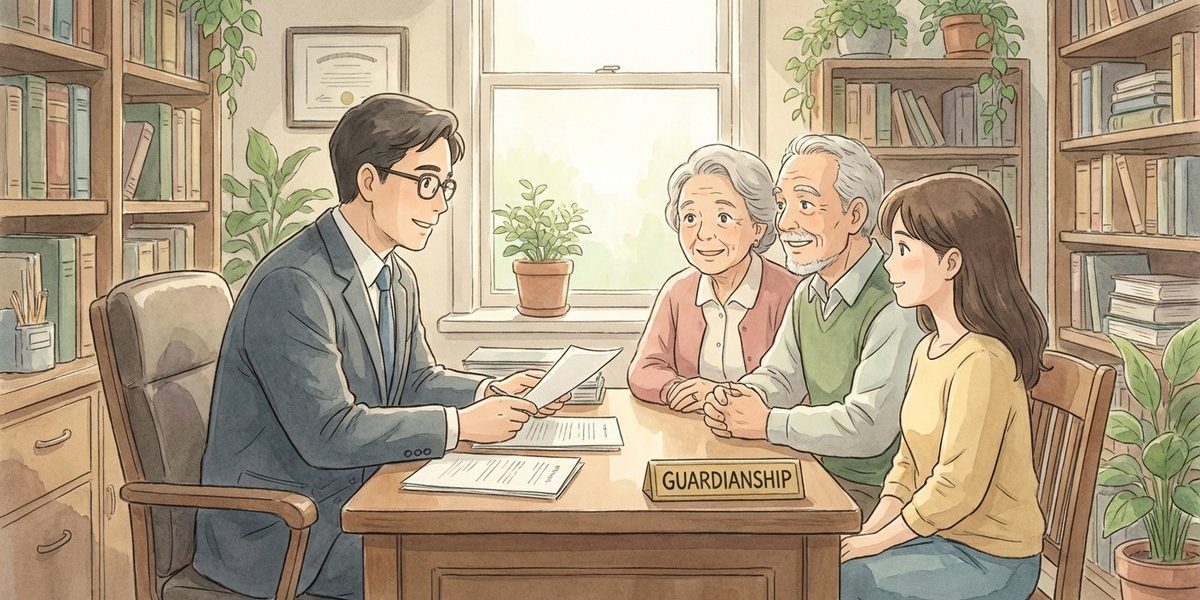
Do I still need guardianship if there are old healthcare or short-term power of attorney documents? – North Carolina
Short Answer
Sometimes, yes. In North Carolina, older health care powers of attorney or short-term/limited powers of attorney can reduce the need for guardianship, but only if the documents are valid, still in effect, and the named agent can actually use them with the facility, doctors, and financial institutions. If the documents are expired, too limited, not accepted, or the agent is unavailable or disputed, a guardianship case in front of the Clerk of Superior Court may be the only practical way to get clear legal authority to make decisions.
Understanding the Problem
In North Carolina guardianship situations, the decision point is whether older health care or short-term power of attorney paperwork still gives an agent enough authority to handle the specific decisions that must be made for an adult with severe dementia living in a long-term care facility. If the paperwork does not cover the needed decisions, has ended, or cannot be used in real life with the facility and providers, the question becomes whether a guardianship appointment through the Clerk of Superior Court is still required to move forward.
Apply the Law
North Carolina treats guardianship as a court-supervised process. The Clerk of Superior Court has original jurisdiction over adult guardianship appointments and keeps ongoing oversight after appointment. See N.C. Gen. Stat. § 35A-1203 (Clerk jurisdiction and authority). A health care power of attorney can authorize a health care agent to make medical decisions, but it does not automatically give authority over money or property. See N.C. Gen. Stat. § 32A-19 (Extent and limits of health care agent authority). If a guardian of the person is appointed, the guardian generally has authority over care and medical consent, but North Carolina law recognizes that a valid health care agent may continue to act unless the Clerk suspends that agent’s authority. See N.C. Gen. Stat. § 35A-1241 (Powers and duties of guardian of the person).
Key Requirements
- Valid, usable documents: The old health care power of attorney (or other power of attorney) must be properly executed and still effective for the decisions that need to be made now.
- Right authority for the right problem: Health care authority covers medical and related decisions, but it generally does not cover finances or property management. Separate authority is usually needed for financial tasks.
- A practical ability to act: Even a valid document may not solve the problem if the named agent cannot be reached, refuses to act, is challenged by others, or the facility/bank requires clearer court authority.
What the Statutes Say
- N.C. Gen. Stat. § 35A-1203 (Clerk jurisdiction and authority) – Places adult guardianship appointments and ongoing supervision with the Clerk of Superior Court.
- N.C. Gen. Stat. § 32A-16 (Health care power of attorney definitions) – Defines what a North Carolina health care power of attorney is and basic execution requirements.
- N.C. Gen. Stat. § 32A-19 (Extent and limits of health care agent authority) – Explains what a health care agent can do and clarifies that it is not general financial authority.
- N.C. Gen. Stat. § 35A-1241 (Powers and duties of guardian of the person) – Describes a guardian’s authority over care and medical consent and how that interacts with an existing health care agent.
Analysis
Apply the Rule to the Facts: Here, a relative is trying to manage care for an adult who appears to have severe dementia and lives in a long-term care facility without a personal phone. If the only documents available are “old” health care or short-term powers of attorney, the key questions are whether those documents are still effective and broad enough for what the facility and providers require today, and whether the named agent can be identified and can act. If the documents are limited, expired, or not accepted in practice, a guardianship through the Clerk of Superior Court may be needed to create clear, court-recognized authority.
Process & Timing
- Who files: An interested person (often a family member). Where: The Clerk of Superior Court in the North Carolina county with proper jurisdiction (often where the person resides or is located). What: A petition asking the Clerk to adjudicate incompetence and appoint the appropriate guardian (guardian of the person, guardian of the estate, or general guardian). When: As soon as it becomes clear the existing documents cannot be used to make necessary decisions.
- Evaluation and hearing: The process typically includes gathering medical information, providing required notice to interested persons, and a hearing where the Clerk decides whether the adult is incompetent and, if so, who should be appointed.
- Appointment and ongoing oversight: If a guardian is appointed, the Clerk retains oversight and can address disputes or problems that arise during the guardianship. See N.C. Gen. Stat. § 35A-1203.
Exceptions & Pitfalls
- “Old” does not always mean “invalid,” but it can mean “unusable”: A health care power of attorney may still be valid years later, yet staff may not have a copy, may question execution, or may need confirmation of who the agent is. Getting certified copies and clear contact information often matters as much as the document itself.
- Health care authority is not financial authority: Even a strong health care power of attorney generally does not authorize handling bank accounts, selling property, or managing income. If financial decisions are needed and there is no effective financial authority, guardianship of the estate (or a general guardian) may be required.
- Short-term or limited powers of attorney: A document labeled “short-term” or limited to a specific task may not cover ongoing dementia-related decisions in a facility setting.
- Conflicts and challenges: If family members disagree about who should act, or if the named agent is unavailable, a guardianship case may be necessary to resolve authority in a structured, court-supervised way.
- Facility employee restrictions: North Carolina limits when employees of a treatment facility can serve as guardian for a resident of that facility. See N.C. Gen. Stat. § 35A-1224 (Criteria for appointment of guardians).
Conclusion
In North Carolina, old health care or short-term power of attorney documents may avoid guardianship only if they are valid, still effective, and broad enough to cover the decisions that must be made now—and if the named agent can actually use them with the facility and providers. If the documents are limited, expired, disputed, or do not cover finances or placement-related decisions, guardianship through the Clerk of Superior Court may be required. Next step: obtain and review the existing documents, then file a guardianship petition with the Clerk if they do not solve the current decision-making problem.
Talk to a Guardianship Attorney
If a loved one in a long-term care facility has severe dementia and older power of attorney paperwork is not working, our firm has experienced attorneys who can help clarify what authority exists and what steps may be needed in front of the Clerk of Superior Court. Call us today at [919-341-7055].
Disclaimer: This article provides general information about North Carolina law based on the single question stated above. It is not legal advice for your specific situation and does not create an attorney-client relationship. Laws, procedures, and local practice can change and may vary by county. If you have a deadline, act promptly and speak with a licensed North Carolina attorney.

