
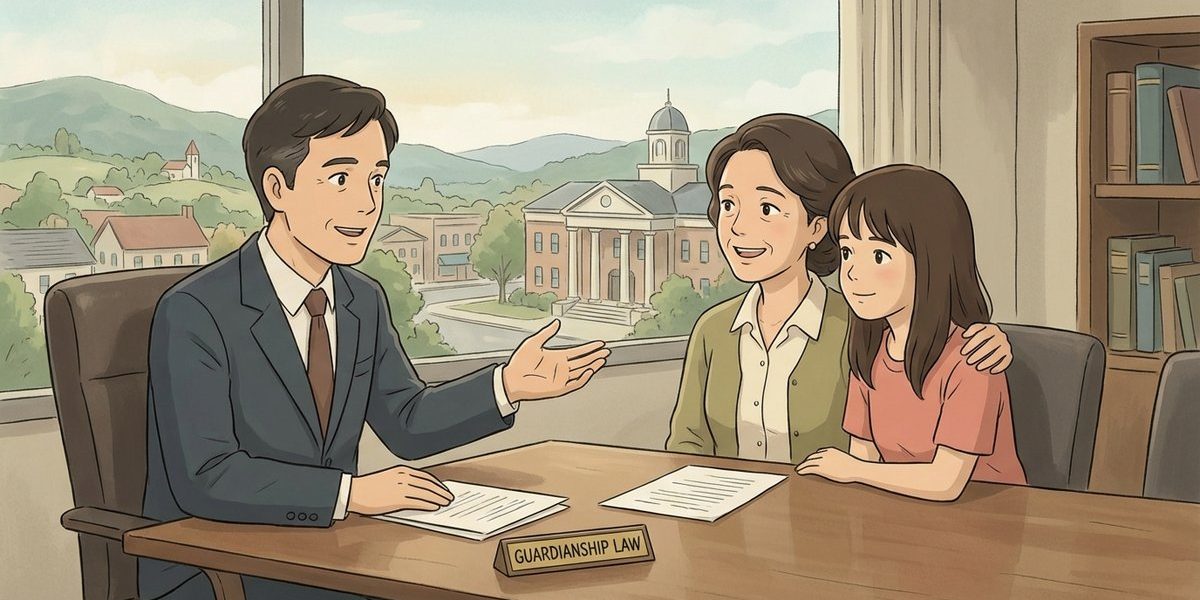
Can I ask the court to change who the guardian is if the current arrangement isn’t working? – North Carolina
Short Answer
Yes. In North Carolina, a guardianship is supervised by the Clerk of Superior Court, and the clerk can remove a guardian and appoint a successor if there is good reason and the change protects the ward’s interests. A request to change guardians is different from asking to end the guardianship or restore rights, but the two issues often overlap and can be addressed in the same overall plan.
Understanding the Problem
In North Carolina guardianship cases, the key question is whether the Clerk of Superior Court can be asked to replace the current guardian when the guardianship arrangement is not working. The focus is on the ward’s well-being and whether the current guardian is meeting the duties of the role. The requested relief is a change in who serves as guardian, not necessarily a full termination of the guardianship or a full restoration of rights.
Apply the Law
North Carolina places adult guardianships under the ongoing supervision of the Clerk of Superior Court in the county where the guardianship is filed. The clerk has authority to remove a guardian for cause, enter orders to protect the ward, and appoint a successor guardian using the same general criteria that apply to an initial appointment. Any party or other interested person may petition the clerk to act, and the clerk can also act on information or a complaint.
Key Requirements
- Proper forum and standing: The request is made in the existing guardianship file before the Clerk of Superior Court, and it must be brought by a party or an “interested person” with a legitimate connection to the case.
- Cause to remove or change the guardian: The clerk generally looks for a concrete reason the current guardian should not continue (for example, mismanagement, neglect, conflict of interest, failure to follow court orders, or other unsuitability).
- A workable successor plan: If removal is warranted, the clerk must appoint a successor guardian, so it helps to identify a qualified replacement and explain how the new arrangement better protects the ward.
What the Statutes Say
- N.C. Gen. Stat. § 35A-1203 (Clerk jurisdiction; authority to remove guardian; petitions by interested persons) – Gives the clerk original and continuing jurisdiction over guardianships and authority to remove a guardian for cause; allows an interested person to petition the clerk.
- N.C. Gen. Stat. § 35A-1290 (Removal by clerk) – Lists many reasons the clerk must or may remove a guardian, including mismanagement, neglect, conflicts, failure to file accountings, and general unsuitability.
- N.C. Gen. Stat. § 35A-1291 (Emergency removal) – Allows removal without a hearing in an emergency threatening the ward’s physical well-being or risking substantial injury to the estate.
- N.C. Gen. Stat. § 35A-1293 (Appointment of successor guardian) – Requires the clerk to appoint a successor after removal, death, or resignation, using the same criteria as the initial appointment.
Analysis
Apply the Rule to the Facts: The facts indicate the person under guardianship wants some rights back and believes the current arrangement is not working. Under North Carolina law, that concern can support a petition to the Clerk of Superior Court asking for a change in guardian if there are specific problems tied to the guardian’s duties (such as poor decision-making, lack of appropriate care, conflicts, or failure to follow court requirements). Separately, if the goal is to regain rights, it may also make sense to evaluate whether the guardianship should be modified or ended rather than only changing who serves.
Process & Timing
- Who files: The ward (often through counsel or another appropriate representative), a family member, or another “interested person.” Where: The Estates Division before the Clerk of Superior Court in the county where the guardianship is pending. What: A written petition or motion in the guardianship file requesting removal of the current guardian and appointment of a successor, with supporting facts and any proposed successor information. When: As soon as the problems are documented and clear enough to explain to the clerk; emergencies may justify faster action.
- Notice and hearing: The clerk typically sets the matter for hearing and requires notice to the current guardian and other required parties. If there is an immediate safety or financial risk, the clerk may enter temporary protective orders and, in limited situations, remove the guardian on an emergency basis.
- Order and transition: If the clerk finds cause, the clerk enters an order removing the guardian and appointing a successor. The clerk may also enter instructions about transferring records, access to funds, care arrangements, and any required reporting going forward.
Exceptions & Pitfalls
- “Not working” must be tied to duties: The clerk usually needs specific, duty-related reasons (care, decision-making, conflicts, compliance, or financial management), not just general disagreement or family tension.
- Mixing up remedies: Replacing a guardian changes who makes decisions; it does not automatically restore rights. If the goal is independence, it may be important to also consider a request to modify or terminate the guardianship. (For related reading, see get rights back under a guardianship and what to show to get more independence or end the guardianship.)
- No successor plan: Even when removal is justified, the case can stall if no qualified successor is identified or if the proposed successor has conflicts, lacks capacity, or is otherwise not suitable.
- Documentation gaps: Claims about mismanagement or neglect are stronger when supported by records (missed reports, unexplained spending, care-plan failures, refusal to share information required by court practice, or repeated noncompliance with clerk directives).
- County-by-county practice differences: Filing requirements and scheduling can vary by county, so local clerk procedures matter.
Conclusion
North Carolina law allows the Clerk of Superior Court to remove a guardian and appoint a successor when there is cause and a change is needed to protect the ward’s interests. A request to change guardians focuses on the guardian’s performance and suitability, while a request to regain rights focuses on whether the guardianship should be reduced or ended. The next step is to file a petition in the guardianship file with the Clerk of Superior Court asking to remove the current guardian and appoint a successor, as soon as the problems can be stated clearly (immediately if safety or major financial harm is at risk).
Talk to a Guardianship Attorney
If a guardianship arrangement is not working and a change in guardian (or a path toward restoring rights) is on the table, an attorney can help identify the right remedy, prepare the petition, and present a clear plan to the Clerk of Superior Court. Call today at [CONTACT NUMBER].
Disclaimer: This article provides general information about North Carolina law based on the single question stated above. It is not legal advice for your specific situation and does not create an attorney-client relationship. Laws, procedures, and local practice can change and may vary by county. If you have a deadline, act promptly and speak with a licensed North Carolina attorney.

