
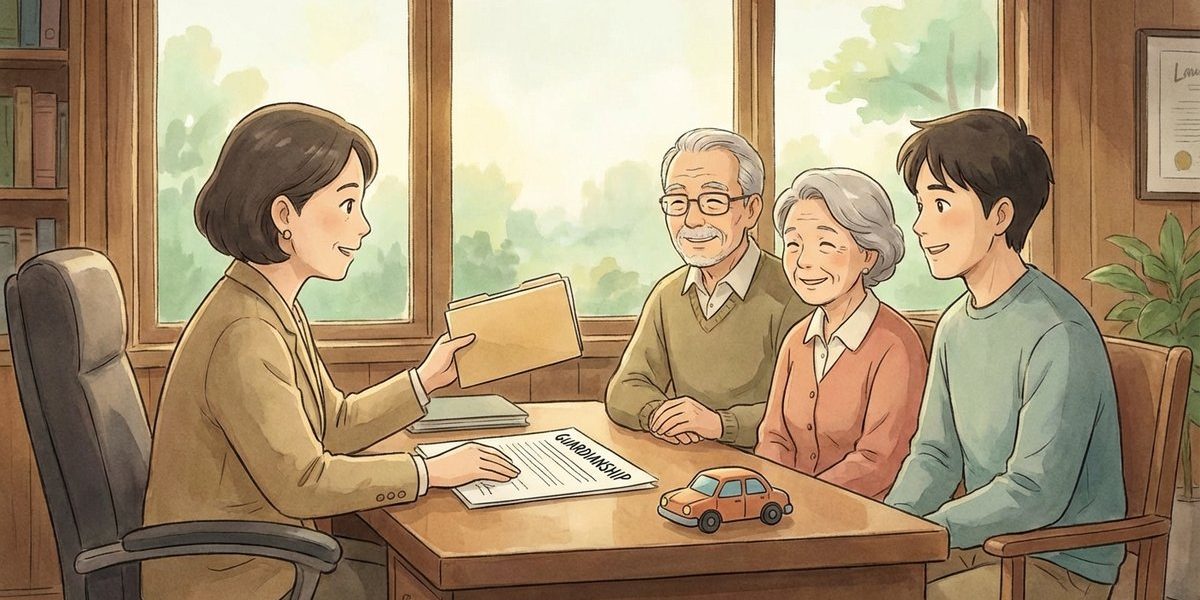
Can a guardian of the estate sell property if it may not legally belong to the ward, like a vehicle titled to another family member? – North Carolina
Short Answer
In North Carolina, a guardian of the estate generally has authority to manage and sell only property that is part of the ward’s “estate,” meaning property the ward actually owns or has a legal interest in. If a vehicle is titled to another family member and the ward has no ownership interest, the guardian of the estate typically cannot sell it as a ward asset. When ownership is unclear or disputed, the usual next step is to bring the issue to the Clerk of Superior Court (the guardianship court) to determine title or give specific directions before any sale.
Understanding the Problem
In a North Carolina guardianship, can a court-appointed guardian of the estate sell a vehicle or other property when the paperwork suggests the item may belong to someone other than the ward, such as a family member listed on the title? In the scenario where a prior guardian did not remain qualified and a court-appointed fiduciary now serves as guardian of the estate, the key decision point is whether the item is legally part of the ward’s estate (ownership or a legal interest) versus property owned by someone else. The question focuses on the guardian’s authority to sell and what happens when ownership is not clear.
Apply the Law
Under North Carolina law, a guardian of the estate is appointed to manage the ward’s property and financial affairs, and that authority is tied to the ward’s “estate,” which includes the ward’s interests in real and personal property. If an item is not the ward’s property (or the ward has no legal interest in it), it is not an estate asset the guardian can treat as available for sale. When there is a dispute or uncertainty about ownership, North Carolina law allows the guardian to bring an action to recover property or to determine title, and the Clerk of Superior Court retains ongoing authority over guardianship compliance and related disputes.
Key Requirements
- Ward ownership or legal interest: The property must be part of the ward’s “estate” (the ward owns it or has a legally recognized interest in it), not merely something the ward used or possessed.
- Proper authority for the type/value of sale: A guardian of the estate may be able to sell limited amounts of the ward’s tangible personal property without a court order, but larger or contested sales commonly require court involvement and clear authority.
- Clear title and proper documentation: For titled property like a vehicle, the title record matters. If the title is in another person’s name, the guardian usually cannot convey good title as a ward asset without resolving ownership first.
What the Statutes Say
- N.C. Gen. Stat. § 35A-1202 (Definitions) – Defines the ward’s “estate” broadly as interests in real and personal property, and defines a guardian of the estate as the person appointed to manage the ward’s property and business affairs.
- N.C. Gen. Stat. § 35A-1203 (Jurisdiction; authority of clerk) – Gives the Clerk of Superior Court ongoing authority over guardianship proceedings and disputes.
- N.C. Gen. Stat. § 35A-1251 (Guardian’s powers for an incompetent ward’s estate) – Authorizes the guardian to take possession of the ward’s estate, and to bring proceedings to recover property or determine title; also addresses when a court order is needed to sell tangible personal property above a statutory threshold.
Analysis
Apply the Rule to the Facts: Here, a court-appointed fiduciary is acting as guardian of the estate while a government department is handling personal/medical decisions. If a vehicle is titled to another family member, that is a strong indicator the vehicle may not be part of the ward’s estate. In that situation, the guardian of the estate generally should not sell the vehicle as a ward asset unless the guardian can document that the ward has a legal ownership interest (or obtains a court ruling/direction resolving title and authorizing the transaction).
Process & Timing
- Who files: Typically the guardian of the estate (or an interested person) files a motion/petition. Where: The guardianship file before the Clerk of Superior Court in the county where the guardianship is pending. What: A motion in the cause or petition asking the clerk to resolve an ownership dispute, give instructions, or authorize a sale if the item is confirmed to be a ward asset. When: As soon as an ownership question arises and before any transfer or sale is attempted.
- Notice and hearing: The clerk may require notice to family members or other interested persons, especially if ownership is disputed, and may set a hearing to decide whether the property is part of the ward’s estate and what should happen next.
- Order and follow-through: If the clerk determines the item is a ward asset (or the ward has an interest), the clerk may authorize a sale or set conditions. If the clerk determines it is not a ward asset, the guardian should not sell it as part of the guardianship estate and may need to return it or otherwise handle possession consistent with the clerk’s direction.
Exceptions & Pitfalls
- Possession is not the same as ownership: A ward may have used a vehicle for years, paid for repairs, or kept it at the ward’s home, but title and legal ownership can still be in someone else’s name.
- Mixed facts can create a real title dispute: If the ward paid for the vehicle but a family member is on the title, or if there was an informal family arrangement, the guardian may need the clerk (or a separate civil action, depending on the dispute) to determine the ward’s interest before any sale.
- Sale-without-order limits: Even when property clearly belongs to the ward, North Carolina law limits how much tangible personal property can be sold without a court order in a given accounting period; exceeding that threshold without approval can create court and accounting problems.
- Documentation and accounting risk: Guardians of the estate must be able to show what was sold, why it was sold, and where proceeds went. Selling property that is not a ward asset can trigger objections, surcharge claims, or court intervention.
- Title transfer problems: For a vehicle, a buyer may not receive good title if the seller (the guardian) cannot legally convey it. That can lead to disputes, demands for refunds, or litigation.
Conclusion
In North Carolina, a guardian of the estate generally can sell only property that is actually part of the ward’s estate—property the ward owns or has a legal interest in. If a vehicle is titled to another family member and the ward’s ownership is unclear, the guardian typically should not sell it as a ward asset until ownership is resolved. The most important next step is to file a motion or petition in the guardianship case with the Clerk of Superior Court requesting instructions or a ruling on title before any sale occurs.
Talk to a Guardianship Attorney
If a guardian of the estate is trying to sell property that may not belong to the ward, the safest approach is usually to address ownership and court authority before anything is transferred. Our firm has experienced attorneys who can help explain options, prepare filings, and address timelines in the Clerk of Superior Court. Call us today at [CONTACT NUMBER].
Disclaimer: This article provides general information about North Carolina law based on the single question stated above. It is not legal advice for your specific situation and does not create an attorney-client relationship. Laws, procedures, and local practice can change and may vary by county. If you have a deadline, act promptly and speak with a licensed North Carolina attorney.

