
What is the difference between a separation and a divorce, and do I need both? – North Carolina
Short Answer
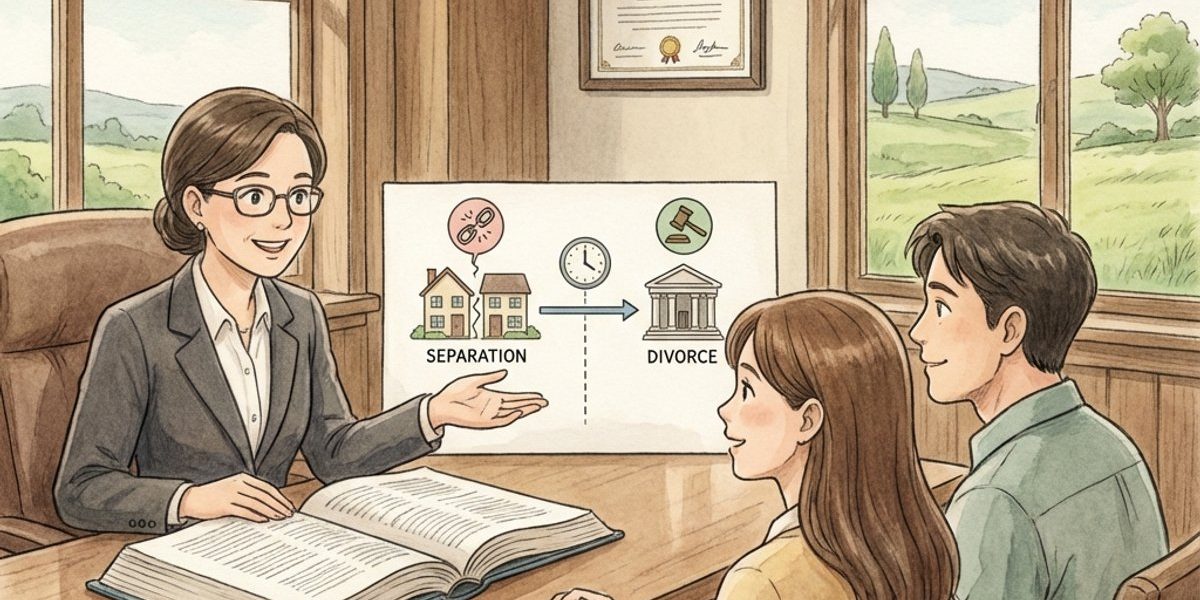
In North Carolina, “separation” usually means spouses live separate and apart with at least one spouse intending the separation to be permanent, but they are still legally married. “Divorce” (often called “absolute divorce”) is the court judgment that ends the marriage. Most people do not need a separate court case to “get separated,” but they generally must be separated for at least one year before they can file for an absolute divorce.
Understanding the Problem
In North Carolina family law, the key question is often: when spouses stop living together, does that change legal rights right away, or does a court order have to happen first? A separation can start important timelines and can be the point when spouses begin handling support, custody, and finances while still married. A divorce is the later step that legally ends the marriage and can permanently affect certain rights if claims are not raised in time.
Apply the Law
North Carolina does not have a single “legal separation” filing that automatically creates a separated status. Instead, separation is generally a factual status based on living separate and apart, and it often leads to either (1) a private separation agreement, (2) court claims filed while separated (such as support or custody), and later (3) an absolute divorce. An absolute divorce is a lawsuit filed in district court that ends the marriage, most commonly after the spouses have lived separate and apart for one year.
Key Requirements
- Separation (living separate and apart): Spouses must live in different residences, and at least one spouse must intend the separation to be permanent.
- One-year separation period for absolute divorce: The spouses must have lived separate and apart for at least 12 months before filing for an absolute divorce on that ground.
- Protecting claims before divorce: Certain claims (like equitable distribution and spousal support) generally must be asserted before the divorce judgment is entered, or they can be lost.
What the Statutes Say
- N.C. Gen. Stat. § 50-6 (Divorce after separation of one year) – Allows an absolute divorce after spouses have lived separate and apart for one year (with a six-month residency requirement for at least one spouse).
- N.C. Gen. Stat. § 50-11 (Effects of absolute divorce) – Explains how an absolute divorce affects rights, including the risk of losing equitable distribution if not asserted before divorce.
- N.C. Gen. Stat. § 52-10.1 (Separation agreements) – Authorizes written, properly acknowledged separation agreements that can be binding.
- N.C. Gen. Stat. § 50-16.2A (Postseparation support) – Allows a spouse to seek temporary spousal support after separation in a Chapter 50 action, based on financial need and ability to pay.
Analysis
Apply the Rule to the Facts: Here, the goal is to pursue separation and divorce in North Carolina. Under North Carolina law, separation generally starts when spouses begin living separate and apart with at least one spouse intending the separation to be permanent, and that date can matter for support and property issues. An absolute divorce typically comes later and usually cannot be filed until the spouses have been separated for one full year. Before the divorce is finalized, it is important to decide whether to assert related claims (like spousal support or equitable distribution) so they are not unintentionally waived or lost.
Process & Timing
- Who starts “separation”: Either spouse by moving into a separate residence (or otherwise ending cohabitation) with intent to end the marriage. Where: No court filing is required just to be separated. What: Many spouses sign a written separation agreement to set rules for finances, support, custody, and property while separated. When: The separation date starts the one-year clock for an absolute divorce under North Carolina law.
- While separated: If issues cannot be resolved by agreement, either spouse can file appropriate claims in North Carolina District Court (for example, custody, child support, postseparation support/alimony, and equitable distribution). Timing matters because some claims should be filed before the divorce is granted.
- Divorce step: After at least 12 months of living separate and apart, either spouse may file for absolute divorce in North Carolina District Court. If the court grants the divorce, the marriage ends as of the date of the judgment.
Exceptions & Pitfalls
- Confusing “separation” with a court order: A separation can exist without a court case, but that does not automatically settle custody, support, or property. Those issues must be resolved by agreement or court order.
- Signing an agreement too early (or without a near-term move-out plan): A separation agreement is typically safest when separation is happening at signing or shortly thereafter. If spouses sign an agreement but continue living together as spouses for an extended time, enforceability problems can arise.
- Finalizing divorce before asserting key claims: In North Carolina, an absolute divorce can cut off equitable distribution rights if not asserted before the divorce judgment (with limited exceptions). Spousal support claims also should be asserted before divorce to avoid losing leverage or rights.
- Thinking “separate bedrooms” counts: Living in the same home, even with separate rooms, often does not satisfy the “separate and apart” requirement for the one-year divorce clock.
Conclusion
In North Carolina, separation usually means spouses live separate and apart (in different residences) with at least one spouse intending the separation to be permanent, but the marriage is not legally over. Divorce (absolute divorce) is the court judgment that ends the marriage, and it commonly requires at least one year of separation before filing. A practical next step is to document the separation date and, before filing for divorce, file any needed claims (such as equitable distribution or spousal support) in North Carolina District Court so they are preserved.
Talk to a Family Law Attorney
If you’re dealing with the difference between separation and divorce in North Carolina and want to protect your rights on timing, support, custody, or property issues, our firm has experienced attorneys who can help you understand your options and timelines. Call us today at (919) 341-7055.
Disclaimer: This article provides general information about North Carolina law based on the single question stated above. It is not legal advice for your specific situation and does not create an attorney-client relationship. Laws, procedures, and local practice can change and may vary by county. If you have a deadline, act promptly and speak with a licensed North Carolina attorney.

