
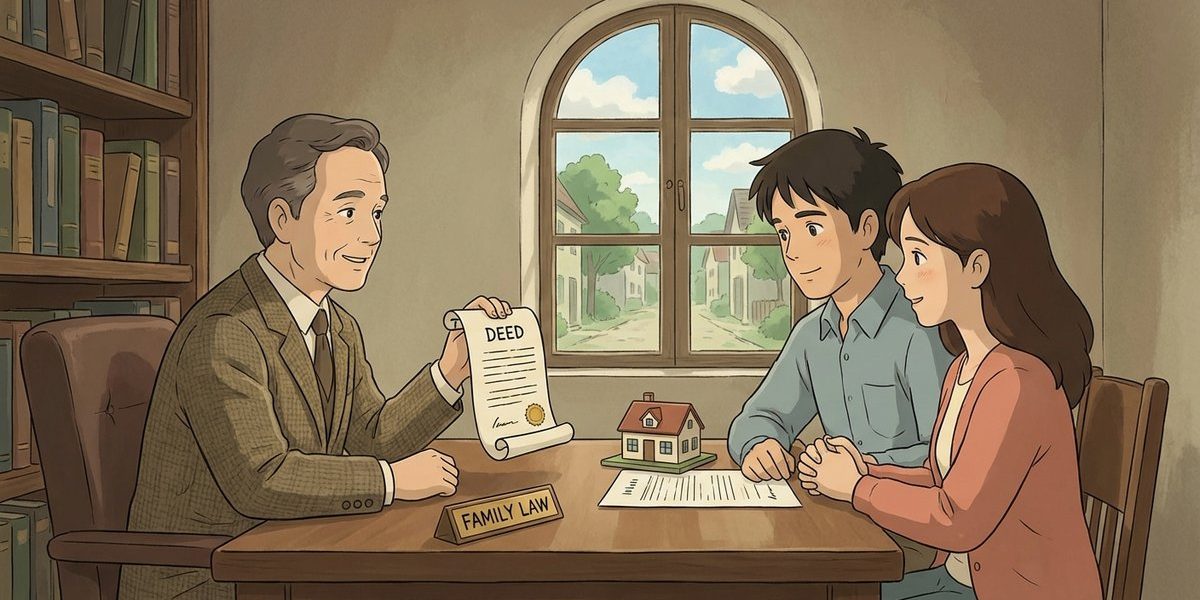
What happens to a house titled in both spouses’ names if the marriage turns out not to be legally valid? – North Carolina
Short Answer
In North Carolina, if the “marriage” was not legally valid, the deed still controls who owns the house—but the type of co-ownership may change. A deed that would normally create a tenancy by the entirety (with automatic survivorship) generally depends on the parties actually being spouses; if they were not, the ownership may be treated more like a tenancy in common (no automatic survivorship) or another form shown by the deed’s wording. Separately, if the relationship was bigamous and the spouse knowingly entered a bigamous marriage, North Carolina law can bar that spouse from claiming many “surviving spouse” rights against the other spouse’s estate.
Understanding the Problem
In North Carolina, when a parent and a spouse hold title to a house in both names, the key question is what happens to that house if the marriage later turns out not to be legally valid (for example, because a prior marriage was never legally ended). The decision point is whether the deed’s “spouse-based” ownership features—especially automatic survivorship—still apply if the parties were never legally spouses. This question often comes up while the parent is still living because the parent may want to prevent the spouse from claiming spousal rights at death or from automatically receiving the home.
Apply the Law
North Carolina recognizes that some marriages are void (treated as a legal nullity) and others are voidable (treated as valid unless and until a court annuls them). Bigamy is the classic example of a void marriage. When a marriage is void, many rights that exist only because of “spouse” status (like elective share and other statutory benefits) may not apply, and a spouse who knowingly entered a bigamous marriage can be barred from asserting those rights. For the house itself, the deed remains central: North Carolina law gives special survivorship protection to real property titled to spouses as tenants by the entirety, but that form of ownership is tied to the parties actually being married at the time of conveyance.
Key Requirements
- Validity of the marriage: If the marriage is void (such as a bigamous marriage), the parties generally do not receive the legal benefits that depend on being spouses.
- How the deed is written: A deed to “spouses” typically creates a tenancy by the entirety in North Carolina, which includes a right of survivorship. If the parties were not legally spouses, that “spouse-only” form of title may not apply as intended.
- Whether a statutory bar applies: If a spouse knowingly contracted a bigamous marriage, North Carolina law can bar that spouse from intestate rights, elective share rights, year’s allowance rights, and related benefits.
What the Statutes Say
- N.C. Gen. Stat. § 41-56 (Creation of tenancy by the entirety) – Explains when a deed to spouses creates a tenancy by the entirety (a spouse-based form of ownership that typically includes survivorship).
- N.C. Gen. Stat. § 41-63 (Termination of tenancy by the entirety) – Lists events that terminate a tenancy by the entirety (for example, absolute divorce), which matters when comparing “divorce” outcomes to “invalid marriage” outcomes.
- N.C. Gen. Stat. § 31A-1 (Acts barring rights of spouse) – Bars certain spousal rights (including intestate succession, elective share, and year’s allowance) in specified circumstances, including when a spouse knowingly contracts a bigamous marriage.
- N.C. Gen. Stat. § 30-3.1 (Elective share) – Defines the elective share right available to a “surviving spouse” (a right that may be barred under § 31A-1 in certain cases).
- N.C. Gen. Stat. § 30-15 (Spouse’s year’s allowance) – Provides for a surviving spouse allowance, subject to bars such as § 31A-1.
Analysis
Apply the Rule to the Facts: The facts describe a parent and the parent’s spouse owning a home, with concern that the spouse’s prior marriage was never legally ended. If the parent and spouse currently hold title in both names, the deed likely attempted to create a spouse-based survivorship form of ownership (tenancy by the entirety) if it was conveyed to them as spouses. If the marriage is actually void due to bigamy, the survivorship feature tied to “spouse” status may be challengeable, and the spouse may also be barred from asserting many “surviving spouse” rights at death—especially if the spouse knowingly entered a bigamous marriage. However, the deed still matters: even if survivorship is defeated, the spouse may still own some share as a co-owner unless the title is changed or a court grants relief.
Process & Timing
- Who files: Typically the parent (while living) or, after death, the estate’s personal representative and interested heirs. Where: North Carolina District Court (annulment/declaratory relief) and the Register of Deeds for deed-related recording; estate issues are handled as an estate proceeding before the Clerk of Superior Court. What: A case may involve an annulment or a court determination that the marriage was void, plus a separate title/ownership action if needed. When: The cleanest time to address title is usually while the parent is living, because changing title later can require litigation.
- Confirm the marriage status: A lawyer typically starts by gathering marriage and divorce records to confirm whether a prior marriage was legally ended. If the marriage is void (for example, bigamy), the legal strategy often focuses on (a) establishing the invalidity and (b) addressing the deed and survivorship risk.
- Address the house title: If the goal is to prevent automatic transfer at death, the parent may need a plan that changes how the home is titled (or otherwise addresses survivorship) consistent with North Carolina real property rules. If the spouse refuses to cooperate, court involvement may be required.
Exceptions & Pitfalls
- Void vs. voidable matters: North Carolina treats void marriages differently from voidable marriages. A voidable marriage can be treated as valid unless and until annulled, which can change how property and “spouse” rights are analyzed.
- Deed language can create different outcomes: Some deeds expressly create a right of survivorship; others rely on “spouse” status to create tenancy by the entirety. A title review is critical before assuming survivorship is defeated.
- “Bar” statutes can be fact-sensitive: For example, the statutory bar for knowingly contracting a bigamous marriage can depend on proof of knowledge. Even when spousal rights are barred, co-ownership claims based on the deed may still be asserted.
- A will may not control a survivorship deed: If the house is held with survivorship, it can pass outside the will. That is why title planning (not just a will) is often the deciding factor for a house.
- Do not rely on informal separation: Separation alone does not terminate tenancy by the entirety; North Carolina law lists specific terminating events, and “invalid marriage” issues are a different track than divorce.
Conclusion
In North Carolina, an invalid marriage can undermine spouse-based property rights, but the deed still drives who owns the house and whether survivorship applies. If the marriage was void (such as bigamy), the “spouse” may be barred from many surviving-spouse claims, and the survivorship feature tied to tenancy by the entirety may be challengeable. The most practical next step while the parent is living is to have a North Carolina attorney review the deed and marriage history and, if appropriate, file an action to establish the marriage’s invalidity and address title before death triggers probate deadlines.
Talk to a Family Law Attorney
If a family is dealing with a house titled in both spouses’ names and there is a concern the marriage may not be legally valid, early action can prevent avoidable probate and title disputes later. Our firm has experienced attorneys who can help evaluate the marriage validity issue, review the deed, and explain options and timelines under North Carolina law. Call us today at [CONTACT NUMBER].
Disclaimer: This article provides general information about North Carolina law based on the single question stated above. It is not legal advice for your specific situation and does not create an attorney-client relationship. Laws, procedures, and local practice can change and may vary by county. If you have a deadline, act promptly and speak with a licensed North Carolina attorney.

