
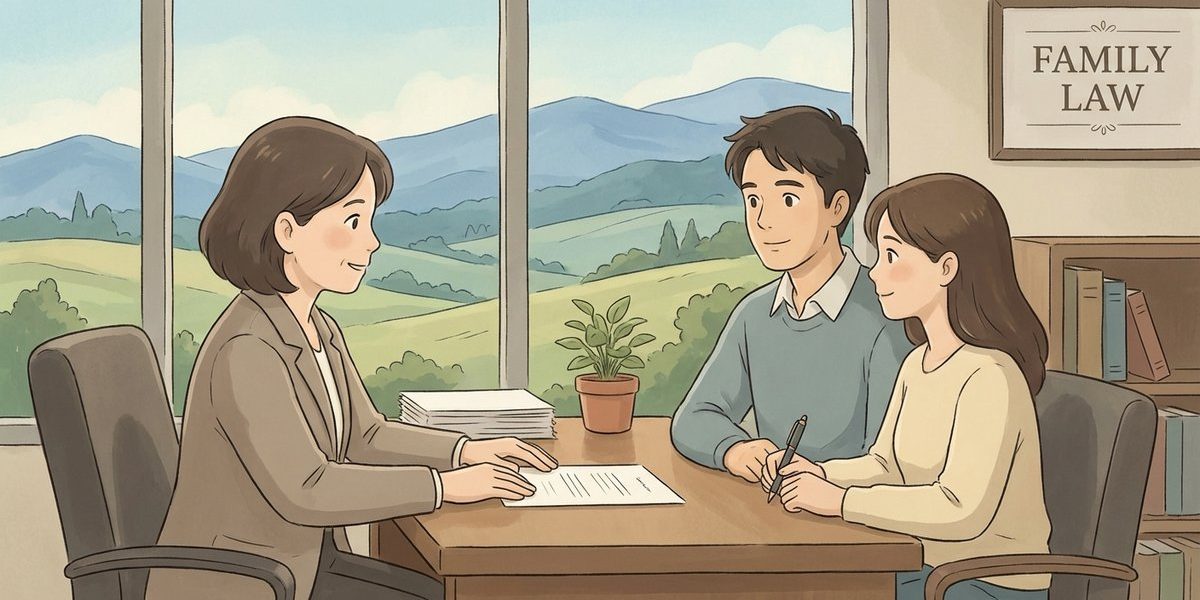
How do I start the divorce process in my county? – North Carolina
Short Answer
In North Carolina, the divorce process usually starts by filing a verified divorce complaint (and a civil summons) with the Clerk of Superior Court in the county where either spouse lives. After filing, the other spouse must be properly served under North Carolina’s civil rules, and the case then moves toward a judgment of divorce. The correct county (venue), the required statements in the complaint, and proper service matter because mistakes can delay the case or force it to be moved to a different county.
Understanding the Problem
In North Carolina, “How does a divorce start in the county?” usually means: which county can be used, which court division handles divorce, and what filing step officially opens the case. The key decision point is whether the divorce papers get filed in the proper county based on where the spouses live, because that determines which Clerk of Superior Court receives the filing and which District Court division handles the divorce case.
Apply the Law
North Carolina divorce cases are filed in the District Court division (even though the paperwork is filed through the Clerk of Superior Court). Venue for a divorce generally allows filing in the county where either spouse resides. North Carolina also requires a verified complaint in divorce actions, meaning the filing spouse signs the complaint with a verification that meets North Carolina’s rules. After filing, the other spouse must be served with the summons and complaint using an approved method, because the court cannot move forward without proper service.
Key Requirements
- Proper county (venue): The case is filed in a county where either spouse resides, with special venue limits if the filing spouse is not a North Carolina resident.
- Verified divorce complaint: The divorce complaint must include required statements (including residency and information about minor children) and must be properly verified.
- Proper service of process: The other spouse must receive the summons and complaint through a legally valid service method so the court can proceed.
What the Statutes Say
- N.C. Gen. Stat. § 7A-244 (Domestic relations in District Court) – Divorce and related family law cases are tried in the District Court division.
- N.C. Gen. Stat. § 50-3 (Venue; removal of action) – A divorce may be filed in the county where either spouse resides, and the case can be moved in certain situations.
- N.C. Gen. Stat. § 50-8 (Contents of complaint; verification; venue and service in action by nonresident) – The complaint must be verified and must include specific required information; it also addresses venue and service rules when the filing spouse is a nonresident.
- N.C. Gen. Stat. § 130A-111 (Registration of divorces and annulments) – After a divorce is granted, the clerk reports it to the State Registrar.
Analysis
Apply the Rule to the Facts: The question focuses on starting a divorce “in my county,” which turns first on venue—whether the filing happens in a county where either spouse resides. Next, the process requires filing a verified complaint that includes the required statements (including North Carolina residency allegations and whether there are minor children). Finally, the case cannot move forward until the other spouse is properly served under the civil rules, and service problems can create delays or challenges later.
Process & Timing
- Who files: One spouse (the plaintiff). Where: The Clerk of Superior Court in the county where either spouse resides in North Carolina (the case is handled in the District Court division). What: A Civil Summons and a verified Complaint for divorce (and any county-required cover sheets, if applicable). When: After meeting North Carolina’s filing prerequisites for the type of divorce being requested; the complaint must also allege the required residency facts.
- Serve the other spouse: After filing, the plaintiff must have the defendant served with the summons and complaint using a valid method allowed by North Carolina Rule 4 (commonly personal service by sheriff, acceptance of service, or other permitted methods). If the defendant cannot be located, service by publication may be considered in some cases, but it has strict requirements and may limit what the court can do.
- Move the case toward judgment: Once service is complete (and after any required waiting periods and local scheduling steps), the case proceeds toward entry of a divorce judgment. Depending on the county and the case posture, the divorce may be resolved by default, summary judgment, or a hearing before a judge. After the divorce is granted, the clerk reports it for state registration.
Exceptions & Pitfalls
- Filing in the wrong county: A divorce is generally filed where either spouse resides, but if the defendant timely objects, the court may move the case to the proper county instead of dismissing it. Filing in a “convenient” county can backfire if venue gets challenged.
- Nonresident filing issues: If the filing spouse is not a North Carolina resident, North Carolina law can require filing in the defendant’s county of residence and can require personal service or personal acceptance of service. These rules can prevent a case from moving forward if the defendant cannot be found for personal service.
- Verification and required statements: North Carolina requires a verified divorce complaint and specific allegations (including residency and information about minor children). An incomplete or improperly verified complaint can trigger delays and refiling.
- Service mistakes: Service must strictly follow the rules. Improper service can lead to delays or later attacks on the validity of the divorce judgment.
Conclusion
In North Carolina, starting the divorce process in a county usually means filing a verified divorce complaint and civil summons with the Clerk of Superior Court in a county where either spouse resides, with the case handled in the District Court division. The complaint must include required residency and child-related statements, and the other spouse must be properly served under the civil rules. The most important next step is to file the verified complaint and summons in the proper county and promptly complete service after filing.
Talk to a Family Law Attorney
If you’re dealing with starting a divorce filing in the correct North Carolina county and want to avoid delays from venue, verification, or service problems, our firm has experienced attorneys who can help explain options and timelines. Call us today at (919) 341-7055.
Disclaimer: This article provides general information about North Carolina law based on the single question stated above. It is not legal advice for your specific situation and does not create an attorney-client relationship. Laws, procedures, and local practice can change and may vary by county. If you have a deadline, act promptly and speak with a licensed North Carolina attorney.

