
What’s the best way to revoke our prior wills and dispose of the old originals? – North Carolina
Short Answer
Under North Carolina law, the safest way to revoke prior wills is to sign new, properly executed wills that clearly state all earlier wills are revoked, and then physically destroy the old originals. North Carolina allows revocation either by a later written will or by destroying the old will with intent to revoke, under N.C. Gen. Stat. § 31-5.1. Coordinating the new wills, explicit disinheritance language, and methodical destruction of prior originals reduces the risk of confusion or challenge.
Understanding the Problem
The narrow question is how a married couple in North Carolina can revoke earlier wills and safely dispose of the old originals while signing updated wills and guardianship provisions that intentionally leave out a specific individual. The concern is whether simply tearing up or discarding an older, likely unrecorded will is enough, and how to do it so a court will not face competing documents later. The focus is on clear, legally effective revocation of prior wills and proper handling of any prior originals that may still exist in personal files, safe deposit boxes, or with a prior attorney.
Apply the Law
North Carolina law sets out specific, exclusive methods for revoking a written will and limits when a previously revoked will can come back into effect. The main forum that later evaluates whether a revocation was valid is the clerk of superior court in the county where the decedent was domiciled at death, as part of the probate proceeding. Revocation rules also interact with estate planning choices such as disinheritance and guardianship nominations, which are typically handled in the new will.
Key Requirements
- Valid method of revocation: A written will can be revoked only by a later properly executed writing (such as a new will or codicil) or by physically destroying the will with the intent to revoke.
- Clear intent to revoke: Any destruction or replacement must be done with a present, clear intent to revoke the prior document, and that intent needs to be provable if questions arise later.
- Consistent estate plan: The new will should expressly revoke all prior wills and address disinheritance and guardianship, and remaining old originals should be collected and destroyed so no conflicting document surfaces at probate.
What the Statutes Say
- N.C. Gen. Stat. § 31-5.1 (Revocation of written will) – A written will may be revoked only by a later written will or similar revocatory writing executed with will formalities, or by burning, tearing, canceling, obliterating, or destroying the will with intent to revoke.
- N.C. Gen. Stat. § 31-5.7 (Revocation methods exclusive) – States that no change in circumstances or other act revokes a will except as provided in the revocation statutes.
- N.C. Gen. Stat. § 31-5.8 (Revival of revoked will) – Provides that a revoked will does not come back into effect unless it is reexecuted or republished by a later duly executed will.
Analysis
Apply the Rule to the Facts: In this scenario, the couple plans to sign new North Carolina wills with updated guardianship and explicit disinheritance of a named individual. Executing new wills with the required formalities and a clause revoking all prior wills satisfies the first statutory method of revocation. Then, once the new wills are validly executed and safely stored, collecting any known originals of the older wills and physically destroying them (for example, shredding each page) with the clear intent to revoke adds the second, physical method of revocation and reduces the chance that an outdated document appears in probate.
Process & Timing
- Who files: While living, the testators do not file anything with the court; they execute new wills with a North Carolina attorney and the required witnesses. Where: Execution typically occurs at the attorney’s office in North Carolina. What: New wills that include a revocation clause, guardianship provisions, and express disinheritance language. When: As soon as the updated plan is ready so the old wills are no longer the controlling documents.
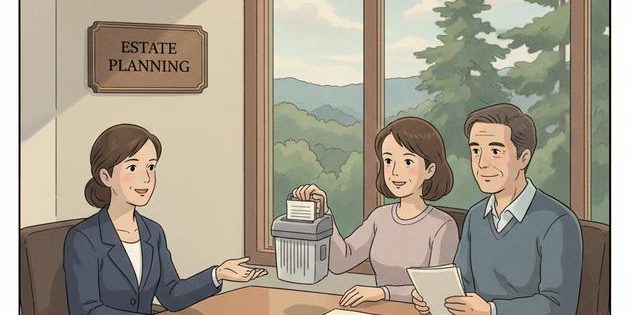
- After the new wills are signed and properly witnessed (and often notarized for a self-proving affidavit), the testators or their attorney identify and gather all known originals and copies of any earlier wills from home files, safe deposit boxes, and prior counsel. Those prior originals are then deliberately destroyed—commonly by shredding or burning—while the testators understand and intend that the destruction revokes those documents.
- Once the old originals are destroyed, the new original wills are stored in a secure but findable place, and the nominated personal representative is told where to locate them. After death, the nominated personal representative files the new original will with the clerk of superior court in the county of domicile and opens an estate based on that will.
Exceptions & Pitfalls
- Relying only on destruction without a new will can leave an estate partially or wholly intestate, which may send assets to the very person intended to be disinherited under North Carolina’s intestacy rules.
- Failing to locate and destroy all originals (for example, one original left in a safe deposit box) can create confusion if that document surfaces at probate and appears to be the last will.
- Informal markings or handwritten notes on a will that do not meet execution requirements may not qualify as a valid revocation and can invite litigation over intent.
- If a revoked will is later re-signed or referenced casually, there is a risk of arguments about revival; under North Carolina law, a revoked will generally does not revive unless formally reexecuted or republished by a later duly executed will.
- Incomplete communication with the nominated personal representative or family about which will is current can lead to someone submitting an outdated will to the clerk of superior court by mistake.
Conclusion
Under North Carolina law, the best practice to revoke prior wills is to execute new, properly witnessed wills that expressly revoke all earlier wills and then deliberately destroy every located original of the old documents with the intent to revoke them. This approach satisfies the statutory methods of revocation, supports clear disinheritance and guardianship choices, and minimizes the risk of competing wills in probate. The key next step is to sign the new wills first, then systematically collect and destroy all prior originals.
Talk to a Estate Planning Attorney
If a family is replacing old wills, changing guardianship plans, or disinheriting someone in North Carolina, our firm has experienced attorneys who can help ensure the revocation and new documents comply with state law. Call us today at 919-341-7055.
Disclaimer: This article provides general information about North Carolina law based on the single question stated above. It is not legal advice for your specific situation and does not create an attorney-client relationship. Laws, procedures, and local practice can change and may vary by county. If you have a deadline, act promptly and speak with a licensed North Carolina attorney.

