
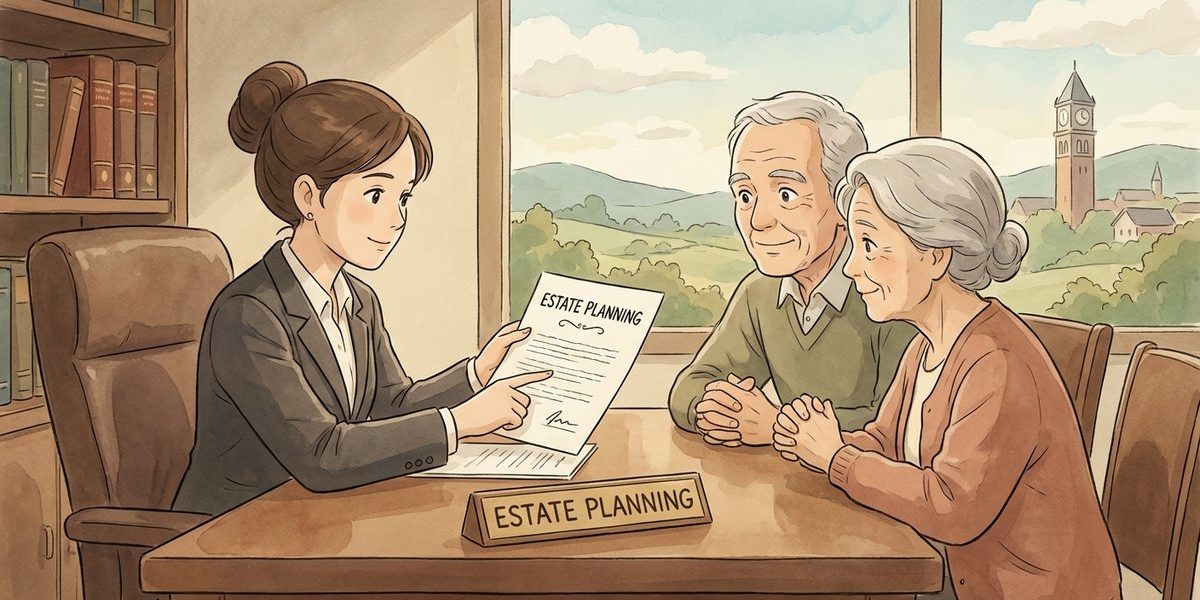
What should I do if I can’t reach the attorney who originally prepared my will? – North Carolina
Short Answer
In North Carolina, an unreachable drafting attorney does not prevent updating a will. The practical first step is to locate the most recent signed original (or a complete copy) and confirm where it is stored. Then, a new North Carolina attorney can prepare either a new will or a properly executed codicil, and the new document should clearly address whether it revokes the prior will.
Understanding the Problem
In North Carolina estate planning, the key question is what steps apply when a prior attorney cannot be contacted but the will needs to be changed. Can the will still be updated if the original attorney is gone, the law office has changed, or the original signed document cannot be found? The decision point is whether the current, signed will can be located (or at least a reliable copy can be obtained) so a replacement plan can be prepared and executed correctly.
Apply the Law
North Carolina allows a will to be changed by signing a new will or a codicil (an amendment) that is executed with the same formalities as a will. North Carolina also limits how a written will can be revoked: revocation generally happens either through a later properly executed document or by a physical act done with intent to revoke. Most will-related filings and safekeeping issues run through the Clerk of Superior Court in the county involved.
Key Requirements
- Locate the current document: Identify whether the signed original will is in personal storage, a law office vault, or filed for safekeeping with a Clerk of Superior Court.
- Use a legally valid update method: Update through a new will or a codicil that is executed with North Carolina’s required signing and witness rules.
- Handle revocation carefully: Make sure the update clearly states what is being changed and whether the prior will is revoked, because North Carolina restricts revocation to specific methods.
What the Statutes Say
- N.C. Gen. Stat. § 31-3.3 (Attested written will) – Sets the basic execution requirements for a valid attested will, including signing and witness rules.
- N.C. Gen. Stat. § 31-5.1 (Revocation of written will) – Explains that revocation generally occurs by a later properly executed writing (will/codicil) or by a physical act done with intent to revoke.
- N.C. Gen. Stat. § 31-11 (Filing wills for safekeeping with the clerk) – Allows a living person to file a will for safekeeping with the Clerk of Superior Court and withdraw it upon written request.
Analysis
Apply the Rule to the Facts: Here, the original drafting attorney no longer works at the law office and cannot be reached, but the goal is to change the will. North Carolina law does not require using the same attorney; the key is locating the most recent will (original if possible) and then executing a new will or codicil with the required formalities. If the signed original cannot be located, a replacement attorney can still plan around that problem, but the approach should reduce confusion about which document controls.
Process & Timing
- Who acts: The person who made the will (the testator). Where: Start with the prior law office’s records department (if any) and the Clerk of Superior Court in the county where the will may have been deposited for safekeeping. What: Request the client file and ask specifically whether the original signed will is held, and whether it was deposited with the clerk under North Carolina’s safekeeping process. When: As soon as the need for changes is identified, especially before major life events or health changes.
- Prepare the update: A new North Carolina estate planning attorney reviews the existing plan (using the original if found, or a complete copy if not) and drafts either (a) a new will that revokes prior wills, or (b) a codicil that changes only the targeted provisions. Many people choose a new will when there are multiple changes, because it reduces the risk of conflicting language.
- Sign correctly and store safely: Execute the new document with the required witnesses under North Carolina law, then store the signed original in a location that can be found later (personal safe, secure storage, or safekeeping with the Clerk of Superior Court). Provide copies to the people who will need to locate it later, without marking up the signed original.
Exceptions & Pitfalls
- Accidental revocation: North Carolina recognizes revocation by physical destruction done with intent. Marking up, tearing, or discarding an original can create a dispute later about whether the will was revoked and what document controls.
- Trying to “handwrite changes” on the old will: Writing edits in the margins or crossing out paragraphs often does not create a clean, enforceable update and can create ambiguity about intent.
- Not knowing where the original is: If the original signed will cannot be found later, it can complicate probate and increase the risk of conflict. A clear storage plan (and telling the right people where it is) is part of making the update effective in real life.
- Overusing codicils: Multiple codicils over time can create inconsistencies and make administration harder. When changes stack up, a new will is often the cleaner solution.
Conclusion
In North Carolina, an unreachable drafting attorney does not block changes to a will. The practical rule is to locate the most recent signed original (or a reliable copy), then sign a new will or codicil that meets North Carolina’s execution rules and clearly addresses revocation. The most important next step is to request the file and determine whether the will was deposited for safekeeping with the Clerk of Superior Court under N.C. Gen. Stat. § 31-11.
Talk to a Estate Planning Attorney
If you’re dealing with an outdated will and the original attorney cannot be reached, our firm has experienced attorneys who can help you understand your options and timelines. Call us today at [919-341-7055].
Disclaimer: This article provides general information about North Carolina law based on the single question stated above. It is not legal advice for your specific situation and does not create an attorney-client relationship. Laws, procedures, and local practice can change and may vary by county. If you have a deadline, act promptly and speak with a licensed North Carolina attorney.

