
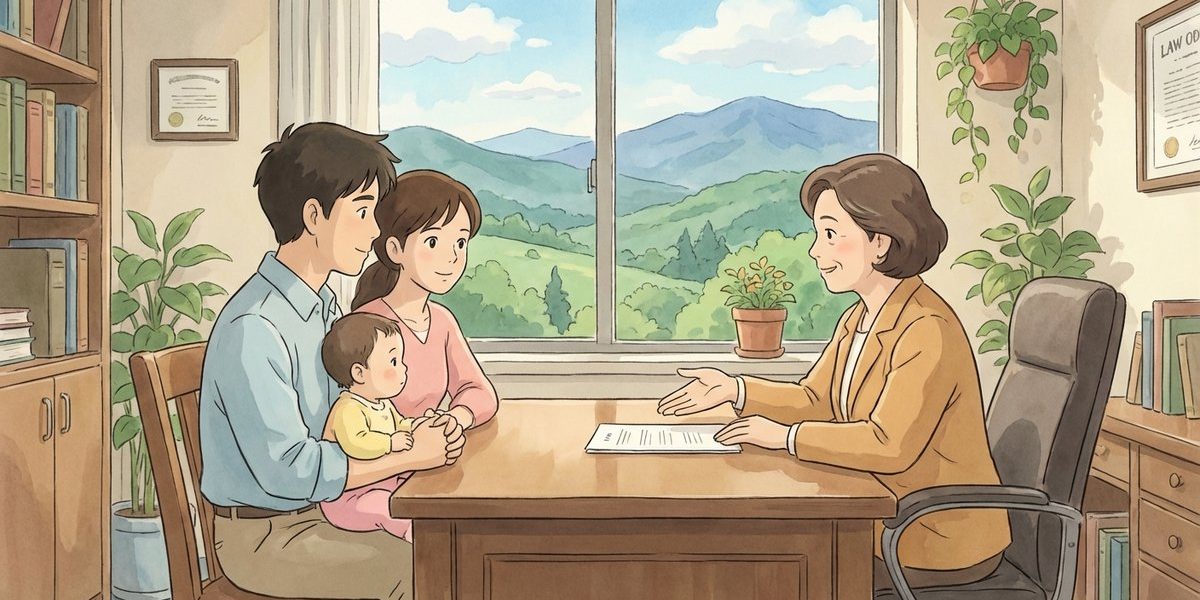
What kinds of life changes usually mean a will should be revised? – North Carolina
Short Answer
In North Carolina, a will should usually be reviewed after major family changes (marriage, divorce, births/adoptions, deaths), major money or property changes, or when the people named in the will (executor, guardians, trustees, beneficiaries) are no longer the right fit. Some life events can change how a will is interpreted even if the document is never updated, such as divorce and having a child after signing a will. A practical rule is to review the will after any major change and at least every few years to confirm it still matches the plan.
Understanding the Problem
In North Carolina estate planning, the decision point is whether a previously signed will still carries out the intended plan after life has changed. The key issue is whether the will’s gifts, fiduciary appointments, and family assumptions still match the current family and financial picture, and whether any change in marital or parental status could affect who takes from the estate. The goal of a revision is to align the will with the current plan and reduce the chance of confusion or conflict during administration.
Apply the Law
Under North Carolina law, a will generally stays valid until it is changed or replaced, but certain life events can affect how it operates. For example, divorce can change how provisions for a former spouse are treated, and a child born or adopted after the will is signed may gain rights similar to what would happen if there were no will. Also, marriage does not automatically revoke a prior will, but a surviving spouse may have statutory rights that can override parts of the plan. Will updates are typically handled by signing a new will (or, in some situations, a properly executed amendment), and the document must be executed with the required formalities to be effective.
Key Requirements
- Family-status changes are addressed: Marriage, divorce, births/adoptions, and deaths often require updates so the will matches the current family and avoids unintended results.
- Decision-makers still make sense: The executor (and any alternates), and any guardian nominations for minor children, should reflect current relationships, health, location, and availability.
- Assets and beneficiary designations align: Large changes in property, new accounts, a new home, a business interest, or a move in how assets are titled can make the will’s instructions incomplete or outdated.
What the Statutes Say
- N.C. Gen. Stat. § 31-5.4 (Revocation by divorce or annulment; revival) – After divorce or annulment, provisions benefiting a former spouse (including fiduciary appointments) are generally treated as if the former spouse predeceased, unless the will clearly says otherwise.
- N.C. Gen. Stat. § 31-5.5 (After-born or after-adopted child; effect on will) – A child born or adopted after the will is signed may have rights to share in the estate similar to intestacy, unless an exception applies.
- N.C. Gen. Stat. § 31-5.3 (Will not revoked by marriage; elective share) – Marriage does not automatically revoke a prior will, and a surviving spouse may have statutory rights even if the will was signed before the marriage.
- N.C. Gen. Stat. § 30-3.4 (Elective share procedure; time limit) – Sets the procedure and a six-month deadline (after letters issue) for a surviving spouse to file an elective share claim with the clerk of superior court.
Analysis
Apply the Rule to the Facts: Here, the will was prepared in the past and the goal is to make additions and changes. That commonly means the family picture, the people named to carry out the plan, or the asset list has shifted enough that the current will may not match what is intended today. In North Carolina, certain changes—especially divorce, a later marriage, or having/adopting a child after signing—can affect how the will is applied, so an update is often the cleanest way to keep the plan clear and reduce surprises during estate administration.
Process & Timing
- Who files: No filing is required to revise a will while living. Where: The update is handled privately with an estate planning attorney in North Carolina; the will is typically later submitted to the Clerk of Superior Court in the county where the estate is administered after death. What: Usually a new will (and, if needed, related updates such as powers of attorney, health care documents, and trust planning). When: After a major life change and before any expected incapacity.
- Execution: The updated will must be signed with the required North Carolina formalities. In practice, this includes careful signing and witnessing steps so the will is easier to admit to probate later.
- Wrap-up: The final step is to confirm the old plan is properly replaced (or amended), store the original safely, and make sure the people who need to know (like the named executor) can locate it when needed.
Exceptions & Pitfalls
- Divorce is not “automatic cleanup” for everything: North Carolina law can treat a former spouse as having predeceased for will purposes, but that does not always fix beneficiary designations on non-probate assets (like certain retirement accounts or life insurance). A coordinated review helps avoid mismatches.
- New child after signing: A later birth or adoption can create rights for that child under North Carolina law unless an exception applies. This can change the intended distribution even if the will was never revised.
- Marriage does not revoke a will: A pre-marriage will can remain valid, but a surviving spouse may still have statutory rights that affect the plan. Updating after marriage is often important for clarity.
- Outdated executor/guardian choices: If the named executor moved, became ill, or is no longer trusted, the will may still nominate that person unless updated, which can create delays and conflict.
- “Do-it-yourself” edits: Handwritten changes on a signed will can create disputes about what controls. A properly executed update is usually safer than informal edits.
Conclusion
In North Carolina, a will should usually be revised after major family changes (marriage, divorce, births/adoptions, deaths) and major financial or property changes, or when the executor, guardians, or beneficiaries named in the will no longer fit the plan. Divorce and after-born/after-adopted children can affect how a will is applied even without an update, and a surviving spouse may have statutory rights. The next step is to sign an updated will with the required formalities as soon as the change occurs.
Talk to a Estate Planning Attorney
If you’re dealing with a major life change and an older will no longer matches the plan, our firm has experienced attorneys who can help you understand your options and timelines. Call us today at [CONTACT NUMBER].
Disclaimer: This article provides general information about North Carolina law based on the single question stated above. It is not legal advice for your specific situation and does not create an attorney-client relationship. Laws, procedures, and local practice can change and may vary by county. If you have a deadline, act promptly and speak with a licensed North Carolina attorney.

