
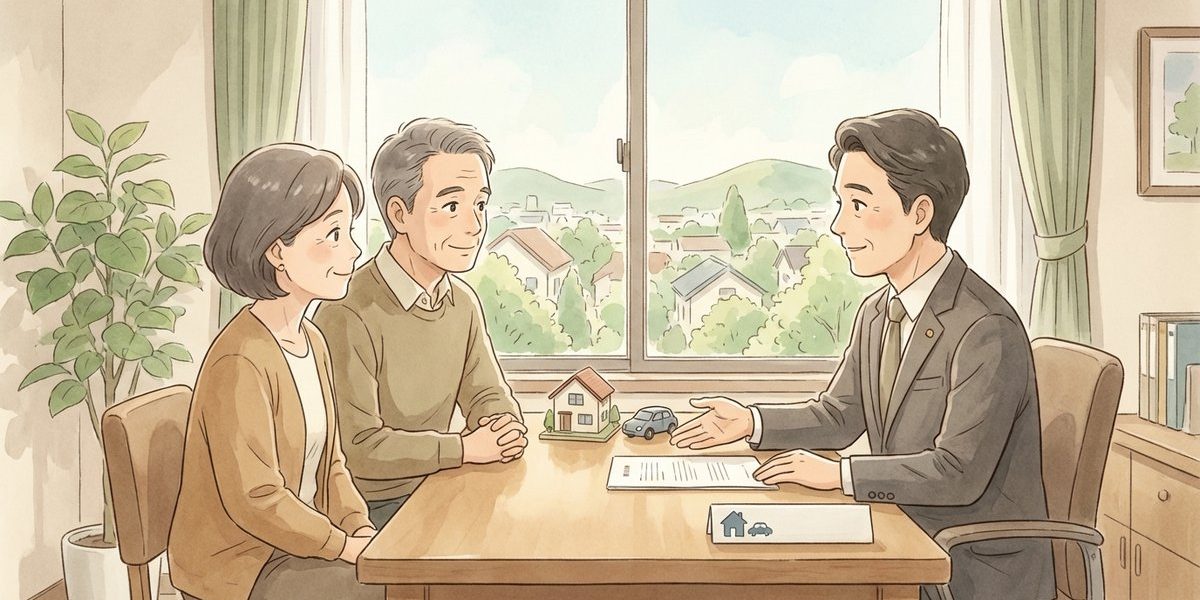
If our house and cars are titled in both spouses’ names, do we need special wording on the deed or titles so the survivor can take over without delays? – North Carolina
Short Answer
Often, yes—because the wording (and the type of co-ownership it creates) controls whether the surviving spouse can take ownership automatically or whether a probate estate has to be opened first. In North Carolina, a deed to spouses usually creates a “tenancy by the entirety,” which includes survivorship, but titles and deeds should still be reviewed to confirm the right survivorship is actually in place. For vehicles, North Carolina title applications include an option for “joint tenancy with right of survivorship,” and using it can reduce delays for the surviving spouse.
Understanding the Problem
In North Carolina estate planning, the key question is whether property titled in both spouses’ names will pass to the surviving spouse automatically at death, or whether the deceased spouse’s share must go through the Clerk of Superior Court as part of an estate administration. The decision point is the form of ownership shown on the deed for the house and on the vehicle titles. If the paperwork does not clearly create survivorship, the survivor may face avoidable steps and timing issues even when the goal is for everything to go to the surviving spouse first, and then to a sibling or the sibling’s children if both spouses die close together.
Apply the Law
North Carolina recognizes different ways to co-own property, and not all of them include survivorship. For a married couple’s home, the most common form is “tenancy by the entirety,” which generally carries an automatic right of survivorship. For vehicles and other titled assets, survivorship usually depends on whether the title paperwork (or account registration) expressly elects “right of survivorship.” When survivorship applies, the surviving spouse typically becomes the owner by operation of law, using proof of death and the agency/county recording process rather than a full probate transfer.
Key Requirements
- The correct form of co-ownership is created: The deed/title must create a survivorship form (for spouses, often tenancy by the entirety for real estate; for other co-owners, joint tenancy with right of survivorship if clearly stated).
- The document does not show a “contrary intention”: If the deed/title language points away from survivorship (or creates a tenancy in common), the survivor may not automatically receive full ownership.
- The survivor can complete the post-death paperwork: Even with survivorship, the survivor typically must provide a certified death certificate and complete the correct recording/DMV steps to update records and sell/refinance later.
What the Statutes Say
- N.C. Gen. Stat. § 41-56 (Creation of tenancy by the entirety) – A conveyance of real property to spouses generally vests title as tenants by the entirety unless the deed shows a different intent.
- N.C. Gen. Stat. § 41-64 (Survivorship for tenancy by the entirety) – On a spouse’s death, entireties property belongs to the surviving spouse by survivorship (with limited exceptions such as the slayer rule).
- N.C. Gen. Stat. § 41-71 (Joint tenancy with right of survivorship) – A conveyance to two or more people creates a tenancy in common unless the instrument expresses intent to create a joint tenancy with right of survivorship.
- N.C. Gen. Stat. § 20-52 (Vehicle title application; survivorship option) – North Carolina vehicle title applications include an option co-owners may use to title the vehicle as a joint tenancy with right of survivorship.
Analysis
Apply the Rule to the Facts: Because the house is titled in both spouses’ names, the first step is confirming the deed actually reflects ownership as spouses (which commonly results in tenancy by the entirety and survivorship in North Carolina). If the deed instead reflects a non-survivorship form (for example, language consistent with a tenancy in common), the deceased spouse’s share may require an estate process before the survivor can fully control or sell the property. For the cars, the key is whether the North Carolina title paperwork elected “joint tenancy with right of survivorship”; if not, the survivor may need additional DMV and estate documentation to retitle or transfer.
Process & Timing
- Who files: Typically the surviving spouse. Where: For real estate, the Register of Deeds in the county where the property is located; for vehicles, the North Carolina Division of Motor Vehicles (often through a license plate agency). What: For real estate, a survivorship-related recording (commonly an affidavit of survivorship) plus a certified death certificate as required by local practice; for vehicles, DMV title paperwork and a certified death certificate. When: As soon as practical after death, especially before a refinance, sale, or insurance claim requires clear title.
- Next step: Confirm whether any liens exist (mortgage or vehicle lien). Even with survivorship, lenders and insurers often require updated records before approving a refinance, payoff, or claim-related transaction.
- Final step: After recording/retitling, the survivor should keep the updated deed/title records with the estate planning file so that later transfers (including the “second death” plan to a sibling or the sibling’s children) can be handled smoothly.
Exceptions & Pitfalls
- “Both names” does not always mean survivorship: In North Carolina, co-ownership can default to a tenancy in common unless the instrument clearly creates survivorship (and spouses can also hold property in forms other than tenancy by the entirety if the document shows that intent).
- Divorce changes the analysis: An absolute divorce can change how former spouses own property that was previously held as tenants by the entirety, which can affect survivorship planning.
- Vehicle titles are paperwork-sensitive: For cars, survivorship often depends on the election made on the title application; if the survivorship option was not selected, the survivor may face extra steps and may need estate documentation depending on the situation.
- “Second death” planning still matters: Survivorship gets assets to the surviving spouse, but it does not by itself control where assets go after the survivor’s death. Wills, beneficiary designations, and coordinated titling should match the plan to pass to a sibling or the sibling’s children if both spouses die close together.
Conclusion
In North Carolina, the survivor’s ability to take over a house or vehicle without avoidable delays depends on whether the deed or title creates a survivorship form of ownership. A deed to spouses commonly creates a tenancy by the entirety with survivorship, but the deed should be reviewed to confirm it does not state a different intent. For vehicles, survivorship typically requires selecting the DMV’s “joint tenancy with right of survivorship” option. The next step is to review the current deed and vehicle titles and, if needed, update the titling now rather than after a death.
Talk to a Estate Planning Attorney
If a married couple is dealing with how to title a house and vehicles so the surviving spouse can take over with fewer delays, our firm has experienced attorneys who can help explain the options and timelines under North Carolina law. Call us today at (919) 341-7055.
Disclaimer: This article provides general information about North Carolina law based on the single question stated above. It is not legal advice for your specific situation and does not create an attorney-client relationship. Laws, procedures, and local practice can change and may vary by county. If you have a deadline, act promptly and speak with a licensed North Carolina attorney.

