
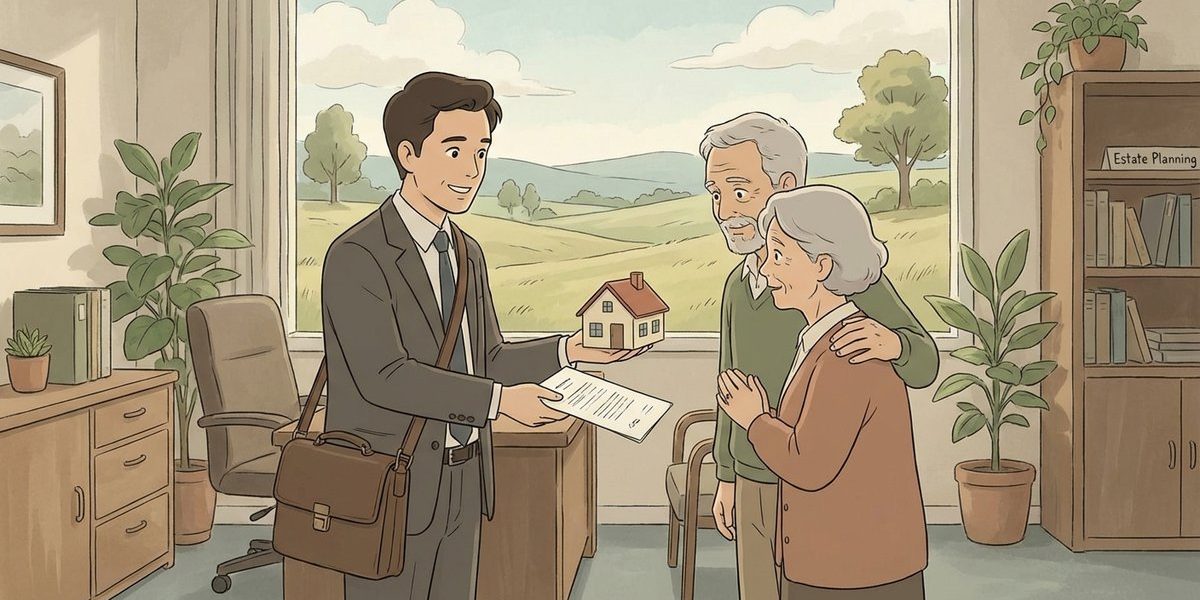
If my will leaves the house to my children, does the house still have to go through probate if it’s only in my name? – North Carolina
Short Answer
Usually, yes. In North Carolina, if a house is titled only in the owner’s name at death, the will generally must be probated so the will can legally pass title and so the Clerk of Superior Court can recognize the executor’s authority to handle the estate. Even if most other assets avoid probate through beneficiary designations, the home often still triggers a probate estate unless it is already titled to transfer automatically (for example, certain joint ownership or a recorded transfer-on-death deed).
Understanding the Problem
In North Carolina estate planning, the key question is whether a house owned in one name can be transferred to children based on a will alone, or whether the estate must be opened with the Clerk of Superior Court so the will can be recognized and the transfer can be completed. The issue usually comes up when an older adult has a will leaving the home to adult children, but the deed shows only one owner and other assets are set up to pass by beneficiary designation. The practical decision point is whether the deed can be updated into the children’s names without a probate file being opened.
Apply the Law
Under North Carolina law, a will is the document that directs who should receive property at death, but the will typically must be admitted to probate (proved and accepted by the court) to be effective for passing title—especially when real estate is still titled only in the deceased person’s name. Probate also creates the legal authority for the executor (called a “personal representative” in North Carolina statutes) to act for the estate, deal with creditors, and complete the paperwork needed to clear and transfer title.
Key Requirements
- Title is in one name at death: If the deed shows only the deceased person as owner, there is no co-owner who automatically becomes the owner at death.
- A will must be accepted by the court: The will generally needs to be admitted to probate so it can be relied on to transfer title and so third parties (like buyers, lenders, and title insurers) can treat the transfer as valid.
- Estate administration still matters even if other assets avoid probate: Beneficiary-designated accounts may pass outside probate, but the house can still require an estate file to handle title, creditor issues, and executor authority.
What the Statutes Say
- N.C. Gen. Stat. § 31-39 (Probate necessary to pass title) – Explains that a duly probated will is effective to pass title and sets timing rules that affect enforceability against certain creditors and purchasers.
- N.C. Gen. Stat. § 31-40 (What property passes by will) – Confirms that a will can dispose of real property the testator owns at death.
Analysis
Apply the Rule to the Facts: Here, the house is only in the owner’s name, and the will leaves the house to the children. Even if most non-home assets have beneficiary designations, the home typically cannot be retitled into the children’s names based on the will sitting in a drawer; the will usually must be admitted to probate so the Clerk of Superior Court can recognize it and the executor can complete the steps needed to clear and transfer title. Where there is family tension, opening the estate and following the required process can also reduce disputes about who has authority to act and what paperwork is required.
Process & Timing
- Who files: The named executor (or another qualified person if the named executor cannot serve). Where: The Clerk of Superior Court (Estates) in the county where the decedent lived in North Carolina. What: An application to probate the will and qualify the personal representative, along with the original will. When: As soon as practical after death, especially if bills, insurance, or property upkeep require action.
- Administration steps: The personal representative gathers information about the estate, handles required notices and creditor issues, and identifies what needs to be done to transfer or manage the home (for example, maintaining insurance, paying carrying costs, and coordinating with heirs).
- Transfer step: After the estate is properly opened and the will is on record, the personal representative and/or the devisees typically complete the county recording steps needed to put clear title into the children’s names (or to sell the property if the will or the estate plan requires a sale).
Exceptions & Pitfalls
- Non-probate title options: If the home is owned with survivorship rights (or a valid transfer-on-death deed was recorded before death), the house may pass outside probate. The deed language controls, not the will.
- “The will says it, so it’s automatic” mistake: A will directs the transfer, but probate is commonly the step that makes the will usable for title purposes and gives the executor legal authority.
- County recording issues: Real estate title work often requires recording certified probate documents in the county where the property sits. Skipping this step can create problems later when the children try to refinance or sell.
- Family tension and access to the property: When adult children disagree, acting informally (for example, one child taking control of the house without court-recognized authority) can escalate conflict and complicate the estate administration.
Conclusion
In North Carolina, if a house is titled only in one person’s name and the will leaves it to the children, the house usually still requires probate so the will can be admitted and relied on to pass title and so the executor has legal authority to handle the estate. A key next step is to file the will and open the estate with the Clerk of Superior Court in the county of residence as soon as practical after death, then complete any required recording steps in the county where the home is located.
Talk to a Estate Planning Attorney
If you’re dealing with a house that is only in one person’s name but is supposed to pass to children under a will, our firm has experienced attorneys who can help explain the probate steps, likely timelines, and common title pitfalls. Call us today at [919-341-7055].
Disclaimer: This article provides general information about North Carolina law based on the single question stated above. It is not legal advice for your specific situation and does not create an attorney-client relationship. Laws, procedures, and local practice can change and may vary by county. If you have a deadline, act promptly and speak with a licensed North Carolina attorney.

