
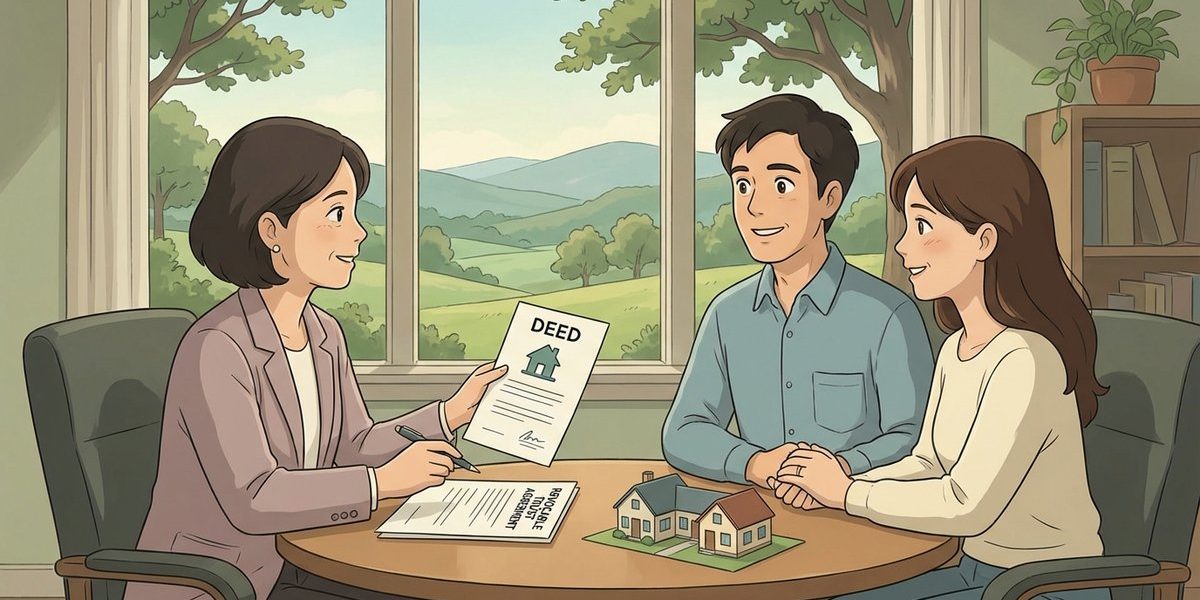
If I put my houses into a revocable trust, will that keep those properties out of probate? – North Carolina
Short Answer
Usually, yes—if North Carolina real estate is properly titled in the name of a revocable trust before death, that real estate is generally not a “probate asset” that must pass through a North Carolina estate administration to transfer ownership. The key is funding the trust (recording the correct deed into the trust) and keeping title consistent over time. Homes located in other states often require separate deed work that follows that state’s rules, and that is where local counsel may be needed.
Understanding the Problem
In North Carolina estate planning, the decision point is whether a house is owned by an individual at death or owned by a revocable trust at death. If an individual owns the house at death, the transfer usually runs through the Clerk of Superior Court’s estate process. If the trust owns the house at death, the successor trustee can usually handle the transfer under the trust’s terms, without using a will to pass title. When multiple homes exist in different states, the same question applies to each property based on how that property is titled and what that state requires for deeds and recording.
Apply the Law
Under North Carolina law, probate is the court-supervised process used to administer a decedent’s estate and carry out a will (or intestacy rules if there is no will). A will is effective to pass title only after it is probated, which is why individually owned real estate commonly ends up in the probate workflow. By contrast, a revocable trust is a lifetime (inter vivos) trust arrangement that can hold title to property during life and continue after death; when the trust owns the property, the trustee—not the personal representative—typically has authority to manage and distribute that trust-owned property under the trust instrument.
Key Requirements
- The trust must exist and name a trustee: A signed revocable trust agreement must be in place, and it must clearly identify who serves as trustee during life and who takes over as successor trustee at death.
- The houses must be “funded” into the trust: Each property must be retitled into the trust by a properly prepared and recorded deed (and any required lender/HOA steps should be addressed).
- Title must stay consistent until death: Later refinancing, adding/removing an owner, or signing a new deed can accidentally pull a property back out of the trust, which can put it back into the probate track.
What the Statutes Say
- N.C. Gen. Stat. § 31-39 (Probate necessary to pass title) – Explains that a duly probated will is effective to pass title, and highlights timing/recording issues that can matter for real estate.
- N.C. Gen. Stat. § 31-47 (Testamentary additions to trusts) – Confirms that a will can pour assets into a trust at death, including a revocable trust, but that approach still uses probate to move the asset.
Analysis
Apply the Rule to the Facts: With multiple homes, placing each house into a single revocable trust can keep those houses out of North Carolina probate only if each property is actually deeded into the trust and properly recorded. For the out-of-state home, the same concept applies, but deed formalities and recording rules are controlled by the state where the property sits, so local counsel may be needed to ensure the deed and recording are accepted. A “pour-over will” can act as a backstop to move missed assets into the trust, but that still requires a probate process for any house that was not deeded into the trust before death.
Process & Timing
- Who files: The owners (as grantors) sign deeds during life; after death, the successor trustee acts. Where: Deeds are recorded with the Register of Deeds in the county where each North Carolina property is located. What: A North Carolina deed transferring the property from the current owners to the trustee of the revocable trust (plus any required recording cover sheets/fees used by that county). When: Ideally, the deed is recorded soon after the trust is signed and before any refinance or title change.
- After death: The successor trustee gathers proof of death and follows the trust’s instructions to manage or distribute the trust-owned real estate (for example, preparing a trustee’s deed to beneficiaries or a buyer, if a sale is authorized).
- If a house was not transferred: The personal representative typically must open an estate with the Clerk of Superior Court, probate the will, and then use the estate process to transfer or sell that house; if the will directs it into the trust, the transfer happens through probate first and then into the trust.
Exceptions & Pitfalls
- “Trust created” is not the same as “trust funded”: Signing the trust agreement alone does not move a house into the trust; the deed and recording are what usually matter for probate avoidance.
- Out-of-state property can still trigger an out-of-state court process if not deeded correctly: A single North Carolina trust can own property in other states, but the deed must comply with that state’s requirements to be effective.
- Refinancing and title changes can undo the plan: A lender may require title changes during a refinance; if the property ends up back in individual names and is not re-deeded into the trust, probate may be needed later.
- Pour-over wills are helpful but not “probate-free”: A pour-over will can send probate assets to the trust, but it does not eliminate probate for assets that were never transferred into the trust during life.
Conclusion
In North Carolina, putting houses into a revocable trust usually keeps those properties out of probate—but only if each house is properly deeded into the trust and recorded before death. If a house stays titled in an individual name at death, a probate estate is typically needed to transfer it, even if a will later directs it into the trust. The practical next step is to record a deed for each North Carolina property with the Register of Deeds in the county where the property is located.
Talk to a Estate Planning Attorney
If a family owns multiple homes and wants to use a revocable trust to reduce probate—especially when one property is in another state—our firm has experienced attorneys who can help clarify the steps, coordinate deed work, and map out timelines. Call us today at [919-341-7055].
Disclaimer: This article provides general information about North Carolina law based on the single question stated above. It is not legal advice for your specific situation and does not create an attorney-client relationship. Laws, procedures, and local practice can change and may vary by county. If you have a deadline, act promptly and speak with a licensed North Carolina attorney.

