
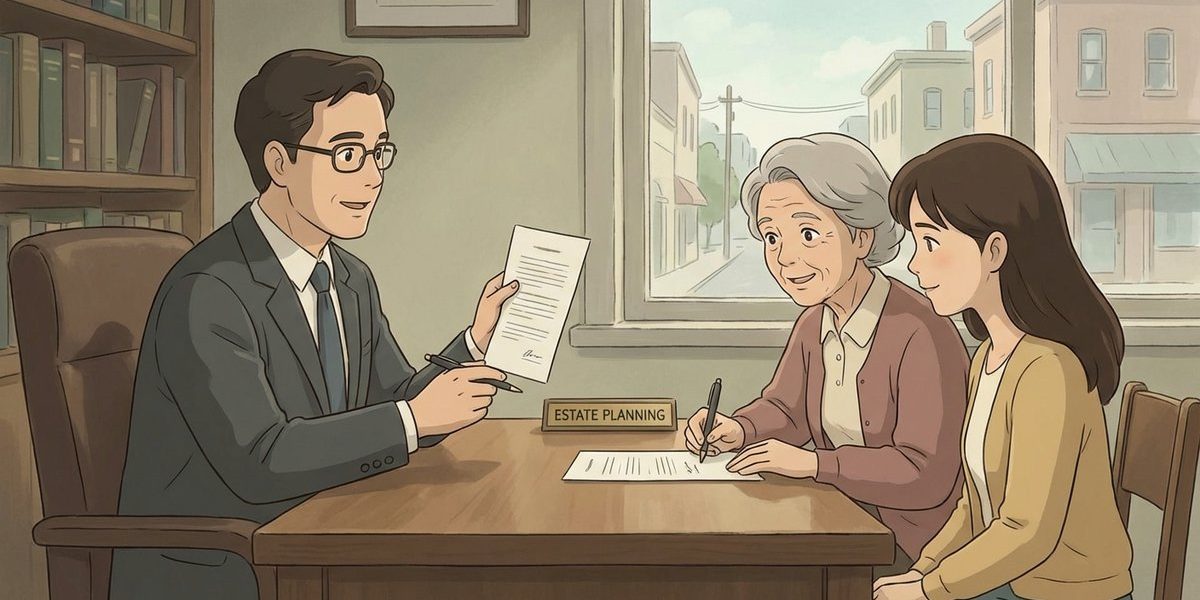
How does my relative revoke an existing power of attorney and appoint someone else instead? – North Carolina
Short Answer
In North Carolina, the person who signed the power of attorney (the “principal”) can usually revoke it and sign a new one as long as the principal still has the legal capacity to do so. Revocation is not just paperwork—revocation must be communicated to the current agent and to the banks, doctors, and other third parties who might rely on the old document. If the principal no longer has capacity, replacing the agent typically requires a court process (often guardianship) rather than a new power of attorney.
Understanding the Problem
In North Carolina, can an older relative cancel an existing power of attorney that names an agent, and then sign a new power of attorney naming someone else, when there are concerns the current agent is misusing money or failing to meet basic needs? The key decision point is whether the older relative (the principal) still has the capacity to revoke the existing power of attorney and appoint a new agent. If capacity exists, the focus is revocation plus proper notice so third parties stop honoring the old agent’s authority.
Apply the Law
North Carolina generally allows a principal to revoke a power of attorney and appoint a different agent, but the revocation must be done by the principal (not a concerned family member acting alone) and it must be communicated to the people and institutions who might rely on the old power of attorney. In practice, the safest approach is (1) a written revocation, (2) a new power of attorney with clear language about prior documents, and (3) prompt notice to the old agent and to third parties (especially financial institutions and health care providers). If the old power of attorney was used for real estate matters and recorded, the revocation often needs to be recorded as well so the public record matches the new reality.
Key Requirements
- Capacity of the principal: The principal must be able to understand what a power of attorney is and what it means to cancel one and name a different agent.
- Clear revocation and replacement: The principal should sign a written revocation and a new power of attorney that clearly identifies the new agent and addresses prior documents.
- Effective notice to stop reliance: The revocation must be communicated to the current agent and to the third parties who might accept instructions from that agent (banks, credit unions, investment firms, health care providers, and others).
What the Statutes Say
- N.C. Gen. Stat. § 32A-20 (Revocation of Health Care Power of Attorney) – Allows revocation while the principal can make and communicate health care decisions, and makes revocation effective upon communication to the named health care agent(s) and the attending physician/eligible psychologist.
- N.C. Gen. Stat. § 54-109 (Notice of revocation to credit unions) – Allows a credit union to keep honoring an agent until it receives actual notice of death or a written notice of revocation signed by the principal; provides a limited window for certain items after notice.
- N.C. Gen. Stat. § 143B-1271 (Agent affidavit re: no knowledge of revocation) – Protects third parties who rely on an agent’s sworn statement that the agent had no actual knowledge/notice of revocation at the time of acting, absent fraud.
Analysis
Apply the Rule to the Facts: The concern described is that the current agent may be financially exploiting an older relative and neglecting basic needs and home upkeep. If the older relative still has capacity, the older relative can revoke the existing power of attorney and sign a new one naming a different agent, but the change will not work in real life unless the revocation is promptly communicated to the current agent and to the institutions that might still accept the old agent’s instructions. If the older relative does not have capacity, a new power of attorney may be invalid, and a court-supervised option may be needed to remove control from the current agent.
Process & Timing
- Who signs: The principal (the older relative). Where: Typically signed before a notary; if real estate powers were recorded, record the revocation (and sometimes the new power of attorney) with the Register of Deeds in the county where property is located. What: A written revocation of power of attorney and a new power of attorney naming the replacement agent.
- Give notice immediately: Deliver the revocation to the current agent and provide copies to every third party that has the old document (banks/credit unions, investment firms, insurance companies, and any care or facility administrators who relied on it). For health care powers of attorney, communication to the health care agent and the attending physician/eligible psychologist is critical for effectiveness under the statute.
- Confirm acceptance and lock down access: Ask each institution what it requires to update its records (some require their own internal forms). Update online access, mailing addresses, and account alerts where appropriate, and request written confirmation that the old agent is removed.
Exceptions & Pitfalls
- Lack of capacity: If the principal cannot understand the decision, a new power of attorney (or revocation) can be challenged, and the safer path may be a court process to protect the principal.
- Notice gaps: Revocation paperwork alone may not stop the old agent if banks, credit unions, or providers never receive notice. Institutions often keep honoring the old agent until they get actual notice.
- Real estate recording issues: If the old power of attorney was recorded and used for property transactions, failing to record the revocation can leave a misleading public record and create risk of later disputes.
- Health care vs. financial documents: A health care power of attorney has its own revocation rules and communication requirements; replacing a financial agent does not automatically replace the health care agent (and vice versa).
- Safety and reporting concerns: When exploitation or neglect is suspected, document concerns and consider whether a protective report or court intervention is needed alongside revocation, especially if the principal is vulnerable or isolated. For related guidance, see challenge a sibling’s power-of-attorney actions and steps to protect a parent’s finances.
Conclusion
In North Carolina, an older relative can revoke an existing power of attorney and appoint a new agent if the older relative still has capacity. The practical key is notice: the revocation must be communicated to the current agent and to the banks, providers, and others who might rely on the old document, and recorded if real estate authority was recorded. The next step is for the principal to sign a written revocation and a new power of attorney, then promptly deliver copies to the agent and every institution that has the old power of attorney on file.
Talk to a Estate Planning Attorney
If you’re dealing with concerns that an agent under a power of attorney is misusing money or neglecting an older relative’s needs, our firm has experienced attorneys who can help explain options and timelines for revocation, replacement, and protective court steps when needed. Call us today at (919) 341-7055.
Disclaimer: This article provides general information about North Carolina law based on the single question stated above. It is not legal advice for your specific situation and does not create an attorney-client relationship. Laws, procedures, and local practice can change and may vary by county. If you have a deadline, act promptly and speak with a licensed North Carolina attorney.

