
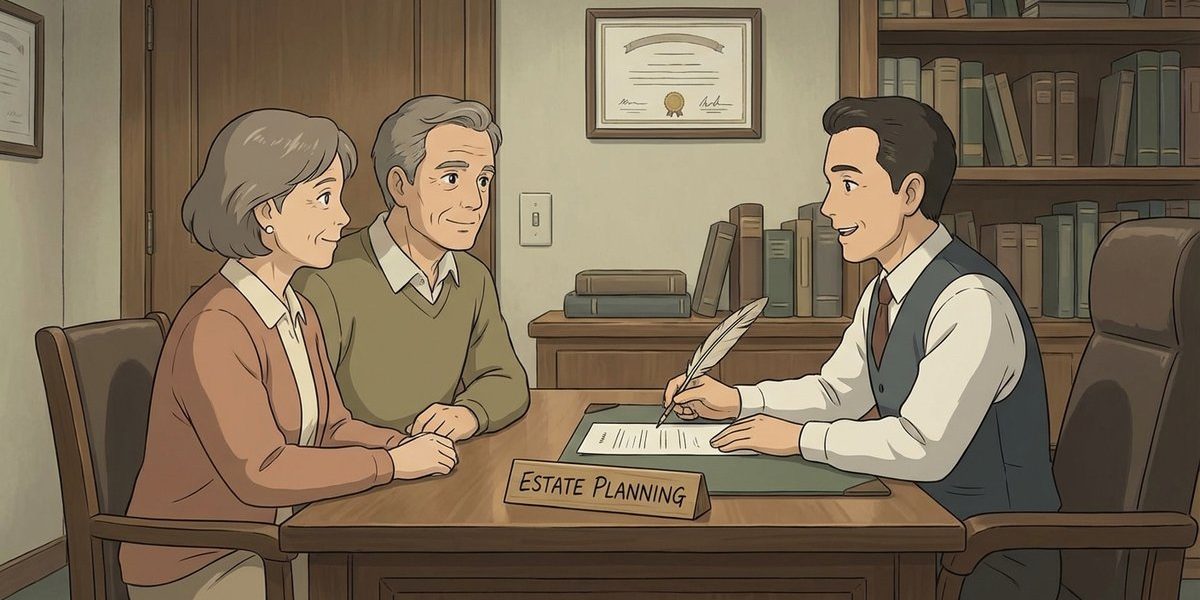
How do we set up an estate plan where everything goes to my spouse first, and if we both pass, it goes to my sibling or my sibling’s children? – North Carolina
Short Answer
In North Carolina, this is usually done by combining (1) updated beneficiary designations and joint ownership for “first-to-die” transfers to a spouse, with (2) a will and/or a revocable living trust that names the spouse as the first beneficiary and a sibling (or the sibling’s children) as the backup beneficiaries. A well-drafted plan also includes a survivorship rule (often a 120-hour/5-day rule) to handle the “close together” scenario and reduce the chance of two separate administrations.
Understanding the Problem
Under North Carolina estate planning, the decision point is: can a married couple set up a plan so the surviving spouse receives everything first, but if both spouses die close in time, the property goes to a sibling or the sibling’s children instead of following default inheritance rules. This typically involves choosing the right documents (will and/or trust) and aligning titles and beneficiary designations so the intended “spouse first, then sibling line” result happens with minimal court involvement.
Apply the Law
North Carolina law allows most assets to pass either (1) by contract/title (like joint ownership with survivorship or beneficiary designations) or (2) through an estate plan document (a will and, if used, a revocable trust). A key planning issue for spouses is what happens if both die close together: North Carolina uses a survivorship concept in multiple contexts, and a plan can also state a clear survivorship requirement so the “backup” beneficiaries (a sibling or the sibling’s children) receive the property without confusion.
Key Requirements
- Name primary and backup beneficiaries clearly: The spouse is listed first, and the sibling (or the sibling’s children) is listed as the contingent/alternate taker. For the sibling’s children, the plan should say whether they take only if the sibling has died, and how the share is divided among them.
- Build in a survivorship rule for “close together” deaths: A survivorship requirement (commonly 120 hours) helps avoid property passing to the spouse’s estate for a very short time and then having to be administered again.
- Coordinate “non-probate” assets with the will/trust: Life insurance, retirement accounts, and many financial accounts pass by beneficiary form, not by the will. Titles and beneficiary forms must match the overall plan or the plan can fail for the biggest assets.
What the Statutes Say
- N.C. Gen. Stat. § 31-47 (Testamentary additions to trusts) – Allows a will to “pour over” assets into a trust identified in the will, supporting a will + revocable trust plan.
- N.C. Gen. Stat. § 31-42 (Lapse/anti-lapse; survivorship reference) – Addresses what happens when a will beneficiary does not survive and points survivorship determinations to North Carolina’s simultaneous death rules.
- N.C. Gen. Stat. § 41-74 (120-hour survival requirement for joint tenancy with right of survivorship) – Applies a 120-hour survivorship requirement to certain survivorship-titled property.
- N.C. Gen. Stat. § 41-48 (Nontestamentary transfer on death) – Confirms that TOD/POD-style transfers (for covered registrations) operate by contract and are not controlled by a will.
- N.C. Gen. Stat. § 29-14 (Intestate share of surviving spouse) – Shows what happens if there is no estate plan; in some situations a spouse may not receive 100% of everything.
- N.C. Gen. Stat. § 29-15 (Intestate shares of others) – If there is no plan and no closer heirs, siblings (and descendants of deceased siblings) can inherit under the default rules.
Analysis
Apply the Rule to the Facts: Because [CLIENT] and [SPOUSE] have no children and want everything to go to the surviving spouse first, the plan should name the spouse as the primary beneficiary across the major assets (life insurance and accounts) and use a will and/or revocable trust to catch anything that does not have a beneficiary designation. To address the “both pass close together” concern, the plan should include a survivorship requirement and clear contingent beneficiaries so that, if the spouse does not survive long enough, the property goes directly to the sibling or (if desired) to the sibling’s children without ambiguity.
Process & Timing
- Who sets it up: [CLIENT] and [SPOUSE]. Where: planning is done privately; if probate is later needed, it is handled through the Clerk of Superior Court in the county where the decedent lived. What: typically (a) reciprocal wills or (b) a revocable living trust plus “pour-over” wills, along with updated beneficiary designations for life insurance and financial accounts. When: before an emergency; updates should be made after major life or asset changes.
- Align assets to the plan: confirm how the home and vehicles are titled, and confirm every beneficiary form (life insurance, retirement plans, bank/investment accounts). Add contingent beneficiaries naming the sibling or the sibling’s children, and confirm the shares and order of death language match the will/trust.
- Build the “close together” protection: include a survivorship clause (often 120 hours) in the will/trust and, where possible, mirror that intent on beneficiary forms. This reduces the risk of property briefly passing to the spouse’s estate and triggering a second administration.
Exceptions & Pitfalls
- Beneficiary forms override the will: If life insurance or accounts name only the spouse and no contingent beneficiary, the “then to sibling line” plan may fail for those assets if both spouses die close together or in a common event.
- Anti-lapse and “who takes if someone dies first” issues: A will can have default rules that substitute a beneficiary’s descendants in some family relationships. Clear drafting is important when the intent is “sibling, but if sibling is not living, then sibling’s children,” and when the intent is to exclude other relatives.
- Joint ownership can create a second administration problem: If assets pass to the surviving spouse by survivorship and the spouse dies shortly after, those assets may still require administration in the spouse’s estate unless the plan uses a trust or other coordinated approach.
- Out-of-date titles and accounts: Newly opened accounts, refinanced property, or new vehicles can end up outside the intended structure unless the plan includes a routine “funding and beneficiary audit.”
- Choosing “sibling” vs. “sibling’s children” as contingent beneficiaries: Naming the sibling alone can be simpler, but it may not match the intent if the sibling later dies first. Naming the sibling’s children directly can work, but the plan should address what happens if a child is a minor or if family circumstances change.
Conclusion
In North Carolina, a “spouse first, then sibling or sibling’s children” estate plan is usually built by pairing updated beneficiary designations and coordinated ownership with a will and/or a revocable trust that names clear contingent beneficiaries. To handle spouses dying close together, the plan should include a survivorship requirement (often 120 hours) and consistent backup beneficiary language. The most practical next step is to sign updated wills (or a trust plus pour-over wills) and immediately update every beneficiary form to list the spouse first and the sibling line second.
Talk to a Estate Planning Attorney
If you’re dealing with planning for “everything to my spouse first, and if we both pass then to my sibling or my sibling’s children,” our firm has experienced attorneys who can help explain options, align beneficiary designations, and build a survivorship plan that fits North Carolina rules. Call us today at (919) 341-7055.
Disclaimer: This article provides general information about North Carolina law based on the single question stated above. It is not legal advice for your specific situation and does not create an attorney-client relationship. Laws, procedures, and local practice can change and may vary by county. If you have a deadline, act promptly and speak with a licensed North Carolina attorney.

