
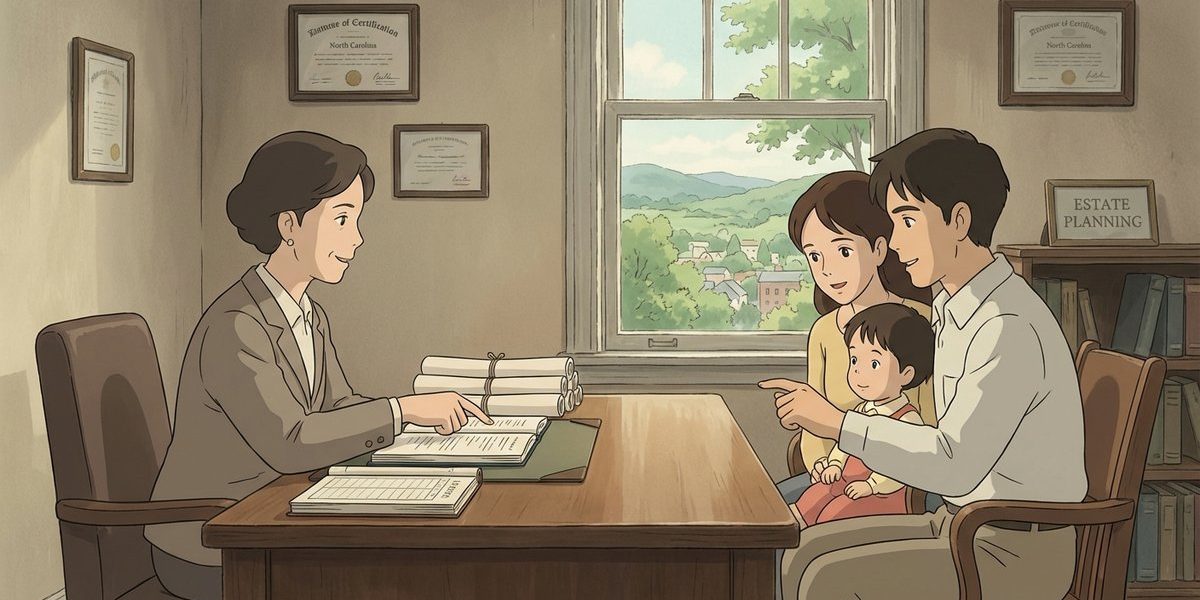
How can I make sure my trust is set up correctly so my children are protected after I die? – NC
Short Answer
In North Carolina, a trust protects children after a parent dies only if the document is valid, the right people are named to act, and the assets are actually tied to the trust or coordinated with the rest of the estate plan. A review usually focuses on whether the trust clearly names the children as beneficiaries, sets workable distribution rules, names a reliable successor trustee, and matches deeds, account titles, and beneficiary designations. If the trust cannot be located, gathering the signed trust, any amendments, and related asset records is the first step before a remote review.
Understanding the Problem
In North Carolina estate planning, the main question is whether an existing trust is set up in a way that will actually protect children after the parent dies. The answer usually turns on one decision point: whether the trust document and the surrounding estate-plan paperwork work together so the successor trustee can manage and distribute property for the children when that death occurs. This review is not just about having a trust on paper; it is about whether the trust can function as intended when the time comes.
Apply the Law
Under North Carolina law, a trust generally must have clear intent, identifiable beneficiaries, duties for the trustee to carry out, and property that is either already in the trust or directed into it through the larger estate plan. For a parent trying to protect children, the main forum is usually not a courtroom at the planning stage but a document review and, after death, trust administration by the named successor trustee with related estate filings in the clerk of superior court if probate assets remain. A practical trigger is the parent’s death: at that point, the successor trustee needs the trust terms, the death certificate, and control over the assets that are supposed to pass under the trust.
Key Requirements
- Clear trust terms: The trust should clearly identify the children or the class of beneficiaries, state when and how distributions may be made, and explain what happens at stated ages or milestones.
- Right fiduciaries: The trust should name a successor trustee and often one or more backups, because the person managing money for children after death is just as important as the written terms.
- Funding and coordination: The trust should match deeds, account ownership, beneficiary designations, and any pour-over will, because an unfunded or mismatched trust may not control the assets a parent expects it to control.
What the Statutes Say
- N.C. Gen. Stat. § 33A-5 (Transfer authorized by will or trust) – A will or trust may authorize a transfer to a custodian for a minor, which can matter when a child is still under age at distribution.
- N.C. Gen. Stat. § 33A-9 (Manner of creating custodial property and effecting transfer) – North Carolina law gives formal ways to transfer property for a minor through a custodian, which helps when a trust uses a minor-transfer structure for smaller shares.
- N.C. Gen. Stat. § 33B-2 (Custodial trust; general) – North Carolina recognizes written custodial trust arrangements and confirms that title and beneficial interests must be properly set out.
Analysis
Apply the Rule to the Facts: Here, the parent already has a trust but wants to confirm that it will protect the children after death. That review should start with the signed trust and any amendments, then compare those papers to account statements, deeds, and beneficiary designations to see whether the trust is complete and funded. If only a scanned copy is available at first, that can still help identify missing pages, outdated trustee choices, unclear age-based distributions, or terms that do not line up with the rest of the estate plan.
A careful review also looks at whether the trust gives the successor trustee real instructions for managing a child’s share. In many plans, that means checking whether the trustee may use funds for health, education, support, and maintenance, whether distributions are delayed until stated ages instead of passing outright at 18, and whether the trust includes protective language that limits a beneficiary’s ability to assign the interest before distribution. It also helps to confirm whether adopted children, later-born children, and children from different family situations are covered the way the parent intends.
If the trust is meant to avoid a direct payout to a minor, the review should confirm that no asset is set to pass outright to a child by beneficiary form or joint ownership outside the trust. A single mismatch can defeat the plan for that asset even if the trust itself is well written. That is why trust review often overlaps with related questions such as a joint revocable trust and a will with a trust created at death for children.
Process & Timing
- Who files: Usually no court filing is needed just to review an existing trust. Where: The review is typically done privately with an estate planning attorney in North Carolina, with later probate filings in the Clerk of Superior Court only if some assets remain outside the trust at death. What: Gather the signed trust, all amendments or restatements, any pour-over will, deeds, account statements, beneficiary designation forms, and a list of trustees and children. When: As soon as possible, because corrections are much easier while the parent is alive and has capacity.
- Next, the attorney compares the trust terms to the asset paperwork and identifies gaps, such as missing signatures, missing schedules, outdated successor trustees, or assets that were never retitled or otherwise coordinated. If the review is remote, scanned copies usually work for the first pass, but originals may still need to be checked before any amendment, restatement, deed, or new signing.
- Final step and expected outcome/document: the parent receives a clear list of what is working, what needs to be updated, and what follow-up documents are needed, such as an amendment, a full restatement, updated beneficiary forms, or transfer paperwork so the trust can operate as intended after death.
Exceptions & Pitfalls
- Common exceptions or defenses that change the answer include assets that pass outside the trust by beneficiary designation, jointly owned property with survivorship rights, or property never transferred into the trust structure at all.
- Common mistakes include relying on an unsigned draft, forgetting later amendments, naming a minor child for an outright distribution, or choosing a trustee without naming backups.
- Notice and administration problems can arise if the successor trustee cannot locate the final signed documents, cannot prove control over trust assets, or finds that deeds and account titles do not match the trust plan.
Conclusion
In North Carolina, a trust is set up correctly for children only when the document is valid, the children and trustee roles are clearly defined, and the assets are properly coordinated with the trust and the rest of the estate plan. The most important next step is to gather the signed trust, any amendments, and asset records and have the plan reviewed before death or incapacity so any needed amendment, restatement, or transfer can be completed in time.
Talk to a Estate Planning Attorney
If you’re dealing with an existing trust and want to confirm it will protect children after death, an attorney can help review the document, identify gaps, and explain the next steps and timing. Call today at 919-341-7055.
Disclaimer: This article provides general information about North Carolina law based on the single question stated above. It is not legal advice for your specific situation and does not create an attorney-client relationship. Laws, procedures, and local practice can change and may vary by county. If you have a deadline, act promptly and speak with a licensed North Carolina attorney.

