
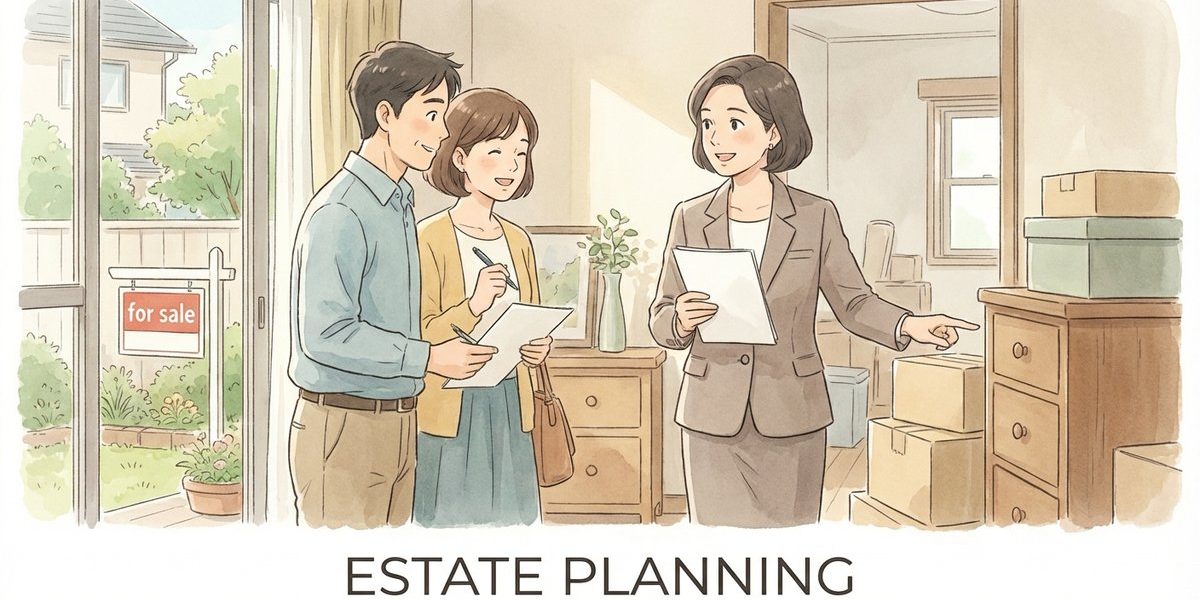
How can I let someone take specific furniture and household items before the house is sold or donated? – North Carolina
Short Answer
In North Carolina, the cleanest way to let someone take specific furniture or household items before a home is sold or donated is to make a clear, documented lifetime gift and actually deliver the items (or transfer control) while the owner is alive and has capacity. If the goal is for the transfer to happen at death instead, the will can direct who receives certain items, and it can incorporate a separate written list that already exists when the will is signed. The right approach depends on whether the transfer is meant to happen now (a gift) or later (a will instruction).
Understanding the Problem
In North Carolina estate planning, a common question is: can a homeowner allow a friend or other person to take specific furniture and household items before the home is sold or donated, while still keeping the overall plan (including a charitable gift of the home) organized? The key decision point is whether the transfer is intended to happen during life as a present gift, or whether it is intended to happen at death as part of the estate administration handled by the executor through the Clerk of Superior Court.
Apply the Law
North Carolina generally treats a lifetime transfer of personal property as a gift when the owner intends to give it, delivers it (or gives up control), and the recipient accepts it. If the transfer is not completed during life, then the items usually remain part of the estate and are handled under the will and the executor’s authority during the estate administration process. North Carolina also allows a will to incorporate another writing by reference if the writing existed when the will was executed and the will clearly identifies it.
Key Requirements
- Clear intent: The owner must mean to give the specific items now (not “later,” and not “after death”).
- Delivery / transfer of control: The items must actually be handed over or otherwise placed under the recipient’s control (for example, removal from the home with permission and documentation).
- Acceptance and good records: The recipient must accept the items, and the transfer should be documented so the executor, charity, and anyone else involved understands the items are no longer part of the estate.
What the Statutes Say
- N.C. Gen. Stat. 31-51 (Incorporation by reference) – Allows a will to incorporate another writing that already exists when the will is signed, if the will shows that intent and identifies the writing.
- N.C. Gen. Stat. 29-24 (Presumption of gift) – Addresses how North Carolina treats certain lifetime transfers as gifts rather than something to be “counted back” later, unless shown otherwise.
Analysis
Apply the Rule to the Facts: The facts describe an owner who wants certain personal property to go to specific individuals, while the home may go to charity. If the goal is for someone to take furniture and household items before the home is sold or donated, the most direct fit is a lifetime gift: identify the items, document the intent to give them now, and allow the recipient to take possession. If the owner instead wants the items to stay in the home until death, then the will (and possibly a separate writing incorporated by reference) should direct who receives those items, and the executor would handle distribution during administration.
Process & Timing
- Who acts: The owner of the property. Where: Not a court filing for a lifetime gift; the transfer happens privately. What: A dated, signed “gift letter” or “personal property transfer list” describing the specific items, naming the recipient, and stating the items are being given now; plus photos or an inventory list. When: Before the home is listed, cleaned out, donated, or turned over to anyone else.
- Coordinate with the overall estate plan: Update the will to name a workable executor and include clear instructions about personal property (and the charitable plan for the home). If using a separate written list, make sure it is handled in a way that matches North Carolina’s incorporation-by-reference rules (the writing must exist when the will is signed and be clearly identified in the will).
- Confirm “no double counting”: Keep a copy of the signed gift documentation with the estate planning documents so the executor understands those items are already gone and should not be treated as estate property when the home is sold or donated.
Exceptions & Pitfalls
- “After death” language: A note that says items go to someone “when I’m gone” can create confusion and may be treated as a will-like instruction rather than a completed gift.
- No delivery: If the items stay in the home and the recipient never takes possession or control, the executor may have to treat them as estate property, especially if the home is being sold or transferred to a charity.
- Capacity and undue influence concerns: If the owner is vulnerable or the transfer is large or unusual, poor documentation can invite disputes about whether the gift was truly voluntary and intended.
- Mismatch with the charitable plan: If the home is intended for charity, the plan should clearly separate “items already gifted away” from “items that remain with the home,” so the charity and executor are not put in conflict.
- Tax questions: Gift and estate tax rules can be fact-specific. A tax attorney or CPA should be consulted for tax advice.
Conclusion
In North Carolina, letting someone take specific furniture and household items before a home is sold or donated usually works best as a documented lifetime gift: identify the items, state the intent to give them now, and complete delivery by allowing pickup and transfer of control. If the transfer is intended to happen at death instead, the will should direct the distribution and can incorporate a separate writing that already exists when the will is signed. The next step is to prepare a written, itemized transfer list and complete the pickup before any home sale or donation process begins.
Talk to a Estate Planning Attorney
If dealing with a home that may be sold or donated while also trying to pass specific furniture and household items to specific people, our firm has experienced attorneys who can help clarify options and timelines and update the will and related documents to match the plan. Call us today at (919) 341-7055.
Disclaimer: This article provides general information about North Carolina law based on the single question stated above. It is not legal advice for your specific situation and does not create an attorney-client relationship. Laws, procedures, and local practice can change and may vary by county. If you have a deadline, act promptly and speak with a licensed North Carolina attorney.

