
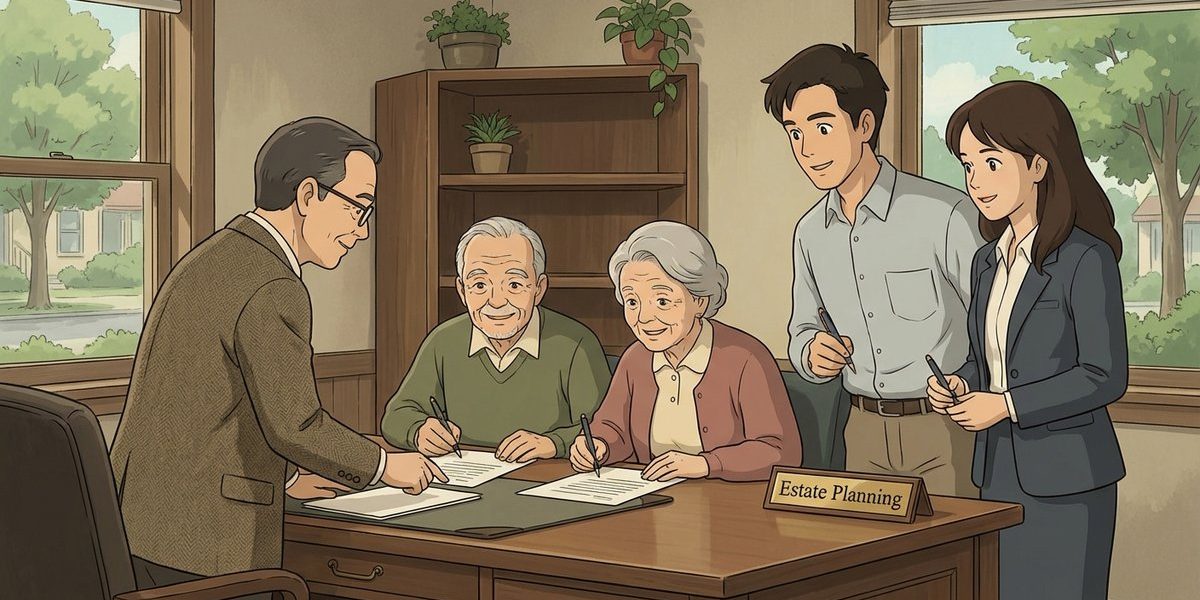
Can people who are not related to me serve as witnesses for my will? – NC
Short Answer
Yes. Under North Carolina law, the witnesses to a will do not have to be related to the person making the will. In fact, using two disinterested adult witnesses who are not beneficiaries is often the safest approach, especially if the will is signed with a notary to make it self-proved.
Understanding the Problem
In North Carolina estate planning, the question is whether a person making a will can use two non-family witnesses when signing the will, including during a remote planning process that may also involve a notary. The main decision point is not family relationship. It is whether the will is signed with the required witness formalities and, if a self-proved will is desired, whether the signing also includes the proper notarized affidavit.
Apply the Law
North Carolina allows an attested written will to be signed before witnesses who are not related to the testator. The key rule is proper execution: the person making the will must sign or acknowledge the will, and the witnesses must sign as attesting witnesses in the required manner. A notary is not what makes the will valid, but a notarized self-proving affidavit can make probate easier later because the clerk can accept the sworn witness statements without having to locate those witnesses again.
Key Requirements
- Two attesting witnesses: A standard written will should be signed by at least two competent witnesses who observe the signing or the acknowledgment of the signature.
- Disinterested witnesses are preferred: A witness does not need to be a relative, but using people who do not receive property under the will helps avoid later problems.
- Notary for self-proving only: A notary is commonly used to add a self-proved affidavit, which helps with probate, but notarization alone does not replace witness signatures.
What the Statutes Say
- N.C. Gen. Stat. § 31-10 (Beneficiary competent witness; when interest rendered void) – a beneficiary can serve as a witness, but if there are not at least two other disinterested witnesses, that beneficiary’s gift can fail.
- N.C. Gen. Stat. § 31-11.6 (How attested wills may be made self-proved) – a will can be made self-proved through sworn statements by the testator and witnesses before an authorized officer, usually a notary.
- N.C. Gen. Stat. § 31-9 (Executor competent witness) – naming a person as executor does not make that person incompetent to act as a witness.
- N.C. Gen. Stat. § 31-3.3 (Attested written will) – an attested written will must be signed by the testator and attested by at least two competent witnesses; the testator must sign in the witnesses’ presence or acknowledge a prior signature to them, and the witnesses must sign in the testator’s presence.
- N.C. Gen. Stat. § 31-8.1 (Who may witness) – any person competent to be a witness generally in North Carolina may act as a witness to a will.
Analysis
Apply the Rule to the Facts: Here, the planned use of two non-family witnesses in North Carolina generally fits the usual will-signing rules and is often the cleaner choice. Because the estate planning process may be handled remotely, the important point is that the final signing ceremony still follows North Carolina execution formalities. If the two witnesses are adults who are not beneficiaries under the will, that setup usually reduces the risk of later disputes about witness interest.
The possible need for a notary also makes sense, but only for the self-proving step. A will is not valid just because it is notarized. As discussed in notarized but doesn’t have witness signatures, witness signatures remain the critical part of an attested will. The notary helps by creating a self-proved will, which can spare the estate from having to track down witnesses later.
Process & Timing
- Who files: The testator signs during the estate planning process, and after death the executor or another proper person offers the will for probate. Where: The will is usually presented to the Clerk of Superior Court in the decedent’s county of domicile in North Carolina. What: The signed will, and if used, the self-proving affidavit attached to it. When: The witnesses and notary should participate at the signing ceremony itself or, for a later self-proving affidavit, after execution as allowed by statute.
- Next step with realistic timeframes; if the will is made self-proved, probate often moves more smoothly because the clerk may rely on the sworn statements instead of requiring live witness proof. Local practice can vary by county.
- Final step and expected outcome/document: the clerk reviews the will for probate, and if accepted, the estate can move forward under the will’s terms with the appropriate estate administration documents.
Exceptions & Pitfalls
- A witness can be a beneficiary, but that can create problems for the gift if there are not two other disinterested witnesses.
- A notary does not replace the need for witness signatures on an attested written will.
- Remote planning is not the same as remote execution. Even if the document is prepared online or by video conference, the actual signing must still follow North Carolina formalities, and mistakes in the witness or notary steps can create probate issues later.
Conclusion
Yes. In North Carolina, people who are not related to the testator can serve as witnesses for a will, and using two disinterested non-family witnesses is often the safest choice. The key threshold is proper execution with the required witnesses, while a notary is mainly used to make the will self-proved. The next step is to sign the will with two qualified witnesses and, if desired, complete the self-proving affidavit before a notary at the signing.
Talk to a Estate Planning Attorney
If a will needs to be signed with the right witnesses and notary steps under North Carolina law, our firm has experienced attorneys who can help explain the rules, the signing process, and the timelines that matter. Call us today at 919-341-7055.
Disclaimer: This article provides general information about North Carolina law based on the single question stated above. It is not legal advice for your specific situation and does not create an attorney-client relationship. Laws, procedures, and local practice can change and may vary by county. If you have a deadline, act promptly and speak with a licensed North Carolina attorney.

