
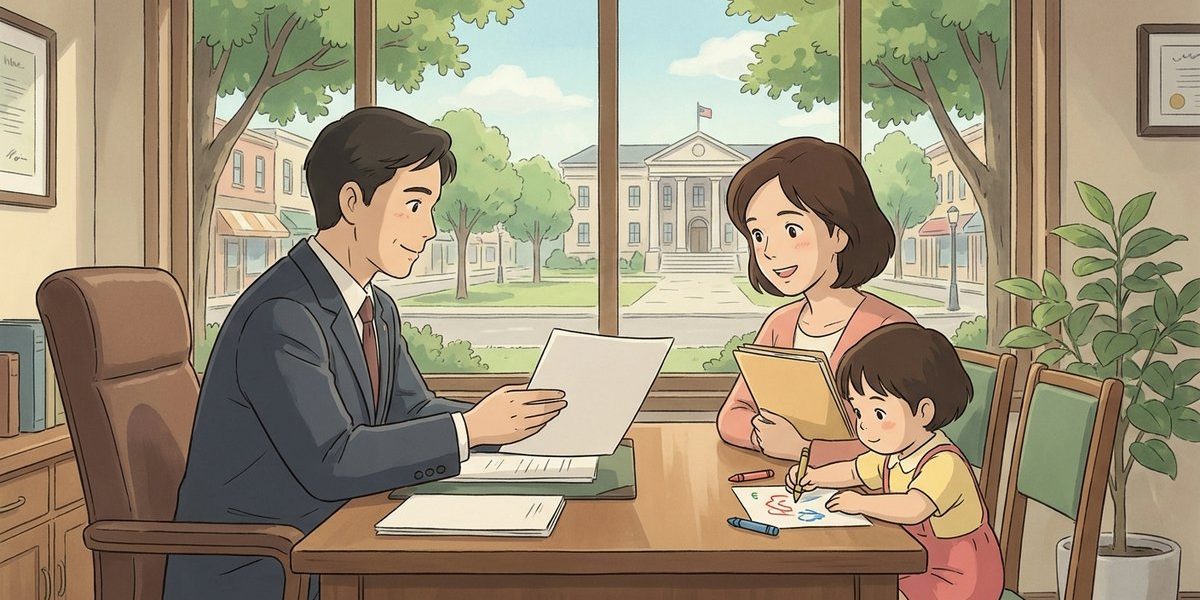
What happens to a minor child’s share of surplus funds if the child is not yet an adult? – NC
Short Answer
In North Carolina, a minor child does not usually receive foreclosure surplus funds directly. If the child is entitled to a share, the clerk of superior court can hold and protect that share, or the money may be paid through a guardian or another approved custodial arrangement. When ownership is disputed, the claim is usually decided in a special proceeding before the clerk, and known claimants should be made parties before the funds are released.
Understanding the Problem
Under North Carolina surplus-funds law, the main question is whether a minor child’s share can be paid out now and, if so, through whom. The issue usually arises after a foreclosure sale when the property owner has died, the surplus was paid into the clerk’s office, and more than one heir may claim part of the money. The decision point is who may lawfully receive the child’s share and what notice and court process must happen first.
Apply the Law
When foreclosure sale proceeds remain after costs, taxes, assessments, and the secured debt are paid, the surplus belongs to the person or persons entitled to it. In North Carolina, if the owner has died and there is no qualified personal representative, or if the trustee is unsure who should receive the money, the surplus is paid to the clerk of superior court. A person claiming the funds may then file a special proceeding before the clerk to determine ownership, and all known claimants must be joined. If part of the money belongs to a minor, the court generally protects that share instead of paying it straight to the child.
Key Requirements
- Proper claimant: The person asking for payment must show why the minor is legally entitled to a share, usually through heirship or another recognized right to the surplus.
- All known claimants included: Other heirs or anyone known to claim the money should be named in the proceeding so the clerk can decide ownership fairly.
- Protected payment for the minor: If the child is under 18, the share is typically held by the clerk, paid to a guardian of the estate, or placed in another approved custodial arrangement rather than handed directly to the child.
What the Statutes Say
- N.C. Gen. Stat. § 45-21.31 (Disposition of foreclosure sale proceeds) – directs how sale proceeds are applied and requires surplus to be paid to the clerk when the owner is dead and no qualified estate representative is acting, or when entitlement is uncertain.
- N.C. Gen. Stat. § 45-21.32 (Special proceeding to determine ownership of surplus) – allows a claimant to ask the clerk to decide who is entitled to the surplus and requires known claimants to be made defendants.
- N.C. Gen. Stat. § 7A-111 (Receipt and disbursement of other moneys for minors) – permits the clerk to receive and administer certain funds for a minor who has no guardian and to disburse them only for the child’s benefit.
- N.C. Gen. Stat. § 35A-1227 (Funds owed to minors) – recognizes that funds due a minor may be handled through the clerk, a guardian, or a transfer method allowed by North Carolina law.
Analysis
Apply the Rule to the Facts: Here, the surplus came from foreclosure of property owned by a deceased spouse, and one of the children is still a minor. That usually means the clerk must first determine who the heirs are and what share, if any, belongs to each child before any minor’s portion is released. If another heir already collected money without the minor being included, that can create a dispute over ownership that belongs in the clerk’s special proceeding, much like the issue discussed in gave the surviving spouse all foreclosure surplus funds. If the minor is entitled to a share, the child’s portion normally should be protected through the clerk or another approved fiduciary arrangement rather than paid straight to the child.
Process & Timing
- Who files: a person claiming the minor child’s share, often a parent, guardian, or other heir with standing. Where: the Clerk of Superior Court in the North Carolina county where the foreclosure sale occurred. What: a special proceeding to determine ownership of surplus funds under Chapter 45, with supporting documents showing death, heirship, and the child’s status as a minor. When: after the surplus has been paid into the clerk’s office and before disbursement; no single statute in this sub-issue sets a short fixed filing deadline, but delay can complicate notice and distribution.
- The petitioner should name all known claimants, including heirs who may already have asserted a right to the money. If someone files an answer and disputes the facts, the matter can be transferred from the clerk to the superior court civil issue docket for trial.
- If the clerk or court determines that the minor owns part of the surplus, the final order should direct how that share will be safeguarded, such as continued clerk control, payment to a qualified guardian, or another approved custodial method. For related issues about proving heirship, see what proof do the children need.
Exceptions & Pitfalls
- A parent is not automatically entitled to receive a minor’s share personally just because the child lives with that parent; the clerk may require a guardian or may keep the funds under court control.
- A common mistake is leaving out a known heir or claimant. North Carolina’s surplus-funds procedure requires known claimants to be made parties, and lack of notice can delay or upset a distribution order.
- Another problem arises when one heir already collected funds. That does not automatically extinguish the minor’s claim, but it can turn the matter into a factual dispute that requires formal proof and possibly transfer for trial.
Conclusion
In North Carolina, a minor child’s share of foreclosure surplus funds is usually not paid directly to the child. The claimant should file a surplus-funds ownership proceeding with the Clerk of Superior Court, include all known heirs and claimants, and ask the clerk to determine the child’s share and place it under a protected arrangement before any disbursement occurs.
Talk to a Surplus Funds Attorney
If a family is dealing with foreclosure surplus funds after a property owner’s death and a minor child may be entitled to part of the money, our firm has experienced attorneys who can help explain the claim process, notice requirements, and next steps. Call us today at 919-341-7055.
Disclaimer: This article provides general information about North Carolina law based on the single question stated above. It is not legal advice for your specific situation and does not create an attorney-client relationship. Laws, procedures, and local practice can change and may vary by county. If you have a deadline, act promptly and speak with a licensed North Carolina attorney.

