
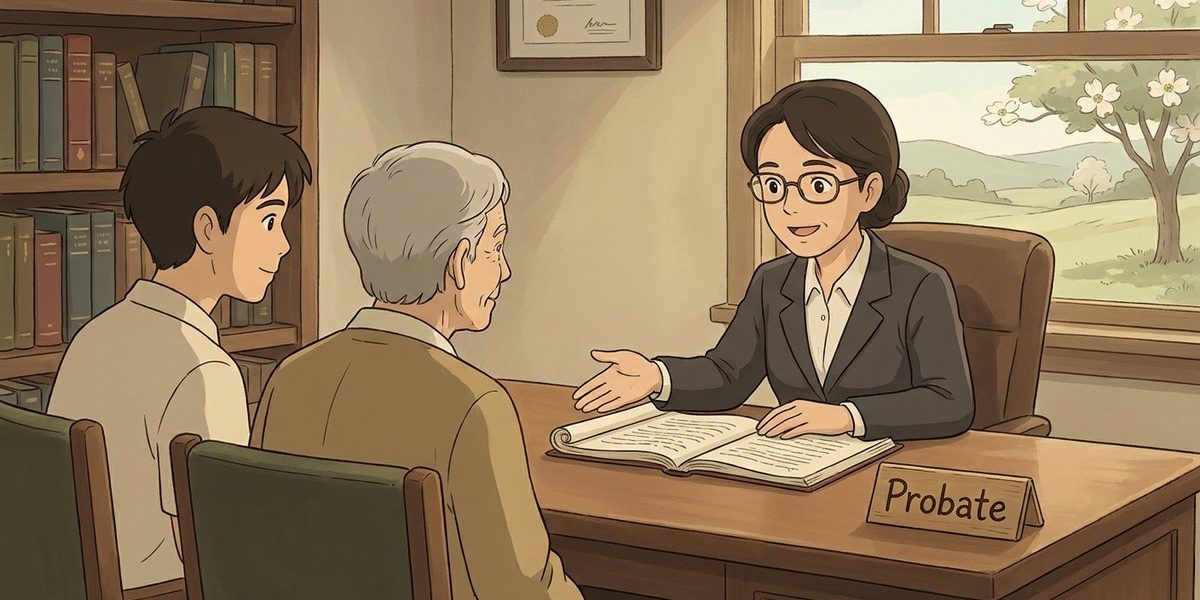
How can I find out whether I was really named in my grandparent’s trust or will? – NC
Short Answer
In North Carolina, the first step is to check the probate file with the Clerk of Superior Court in the county where the grandparent’s estate was opened. A probated will is usually part of the public estate file, and the clerk generally mails notice to known will beneficiaries when the will is admitted to probate. A trust is different because it is not automatically filed in court, so whether a person can see it often depends on whether that person is actually a trust beneficiary or has a valid reason to demand information from the trustee.
Understanding the Problem
In North Carolina probate matters, the main question is whether a grandchild can confirm that the grandparent actually named that grandchild in a will or trust after the grandparent’s death, and what happens if the estate appears to have been closed or distributed without anything being paid to that person. The answer turns first on where the estate was opened, whether a will was admitted to probate, and whether the person is asking about a probate asset under a will or a nonprobate asset held in a trust.
Apply the Law
North Carolina gives the Clerk of Superior Court original probate authority, so the estate file in the county of administration is usually the starting point for a will question. If a will was admitted to probate, the clerk handles the probate record, and a duly probated will is the document that passes title through the estate. North Carolina procedure also requires notice to known beneficiaries when a will is admitted to probate, which matters because lack of notice can affect whether a person learned of the estate in time to act. If the concern is that the will itself is invalid, an interested person may file a caveat in the estate file, but the deadline is generally within three years after probate unless a disability extends the time. A trust issue is different because trusts often stay outside the probate file, so the practical question becomes whether the trustee must provide information to a person claiming beneficiary status.
Key Requirements
- Find the right file: For a will, start with the estate file at the Clerk of Superior Court in the county where the grandparent’s estate was administered in North Carolina.
- Separate will from trust: A will that was probated is usually public in the estate record, but a trust document may not be filed with the court unless litigation or a related proceeding brought it into the record.
- Act within the proper window: If the issue is not just getting information but challenging the will, a caveat usually must be filed within three years after probate.
What the Statutes Say
- N.C. Gen. Stat. § 7A-241 (Probate jurisdiction) – the Clerk of Superior Court handles probate and estate administration in North Carolina.
- N.C. Gen. Stat. § 31-39 (Probate necessary to pass title) – a will must be probated to pass title through the estate.
- N.C. Gen. Stat. § 31-32 (Filing of caveat) – an interested person may challenge a will by caveat, usually within three years after probate.
- N.C. Gen. Stat. § 31-33 (Caveat transferred for trial) – once a caveat is filed, the matter moves from the clerk to superior court for trial.
- N.C. Gen. Stat. § 31-36 (Effect of caveat on estate administration) – a caveat can stop distributions while the will contest is pending, subject to limited payments and court oversight.
Analysis
Apply the Rule to the Facts: Here, the reported problem is that another legal service reviewed documents and concluded the executor did not distribute anything to the grandchild. That does not by itself answer whether the grandchild was named. In North Carolina, the better first step is to obtain the estate file from the Clerk of Superior Court in the county where the grandparent died and owned property, review the probated will, the application for probate, notices to beneficiaries, inventories, accountings, and any final account, and then compare those records to any claim that a trust also existed.
If the will in the court file does not name the grandchild, the next question is whether there was a separate trust that held assets outside probate. If a trust existed, the absence of a probate distribution may simply mean the asset passed under the trust instead of the will. If the grandchild was actually a trust beneficiary, the trustee may owe information and account-related disclosures even though the trust itself was never filed in the estate case. For more on related rights, see what my rights are as a potential beneficiary and if the executor or trustee isn’t sharing information.
Process & Timing
- Who files: the person claiming beneficiary or heir status, or that person’s attorney. Where: the Estates Division before the Clerk of Superior Court in the North Carolina county where the estate was opened. What: request the estate file and review the will, probate application, any Notice To Beneficiary, inventories, accountings, and final account. When: as soon as possible after learning of the death or possible exclusion; if a will contest is necessary, the caveat deadline is generally within three years after probate.
- Next, determine whether the issue is probate only or also involves a separate trust. If the estate papers suggest trust assets, a written demand for trust information may be needed. If the will appears suspicious, missing, or inconsistent with prior information, counsel can evaluate whether a caveat or another probate filing fits the facts. Timing can vary by county and by whether the estate is still open.
- Final step: if the records confirm no gift was made, the person may have no inheritance right unless there is a valid basis to challenge the will or the administration. If the records show a gift that was not paid, the next document to seek is the accounting or court order explaining the distribution and whether objections were filed or waived. Related issues may overlap with challenge the way a deceased person’s assets are being handled.
Exceptions & Pitfalls
- A trust may control major assets even when the probate file shows little or nothing passing under the will, so reviewing only the estate file can give an incomplete answer.
- Notice problems matter. North Carolina probate practice generally includes mailed notice to known will beneficiaries, but an address problem or incomplete beneficiary list can delay discovery of the estate.
- A caveat challenges whether the document is the valid will; it is not the same as a general complaint that the executor acted unfairly. Filing the wrong kind of proceeding can waste time while the deadline keeps running.
- If a caveat is filed, estate distributions usually stop during the case, but the personal representative may still seek approval to pay certain taxes, debts, and administration expenses.
- Closed estates can still require careful review of the final account and service history, because failure to object after proper service may limit later attacks on the accounting.
Conclusion
To find out whether a grandchild was really named, the first step in North Carolina is to get the probate file from the Clerk of Superior Court and review the probated will, beneficiary notice, and estate accountings. If the will does not answer the question, the next issue is whether a separate trust controlled the assets. If there is reason to contest the will itself, file a caveat in the estate file with the clerk within three years after probate.
Talk to a Probate Attorney
If a family is dealing with uncertainty about whether a grandchild was named in a will or trust, or whether an estate was handled correctly, our firm has experienced attorneys who can help review the probate file, identify possible trust issues, and explain the available options and timelines. Call us today at [919-341-7055].
Disclaimer: This article provides general information about North Carolina law based on the single question stated above. It is not legal advice for your specific situation and does not create an attorney-client relationship. Laws, procedures, and local practice can change and may vary by county. If you have a deadline, act promptly and speak with a licensed North Carolina attorney.

