
How can I find out whether a deceased vehicle owner’s estate has been opened? – NC
Short Answer
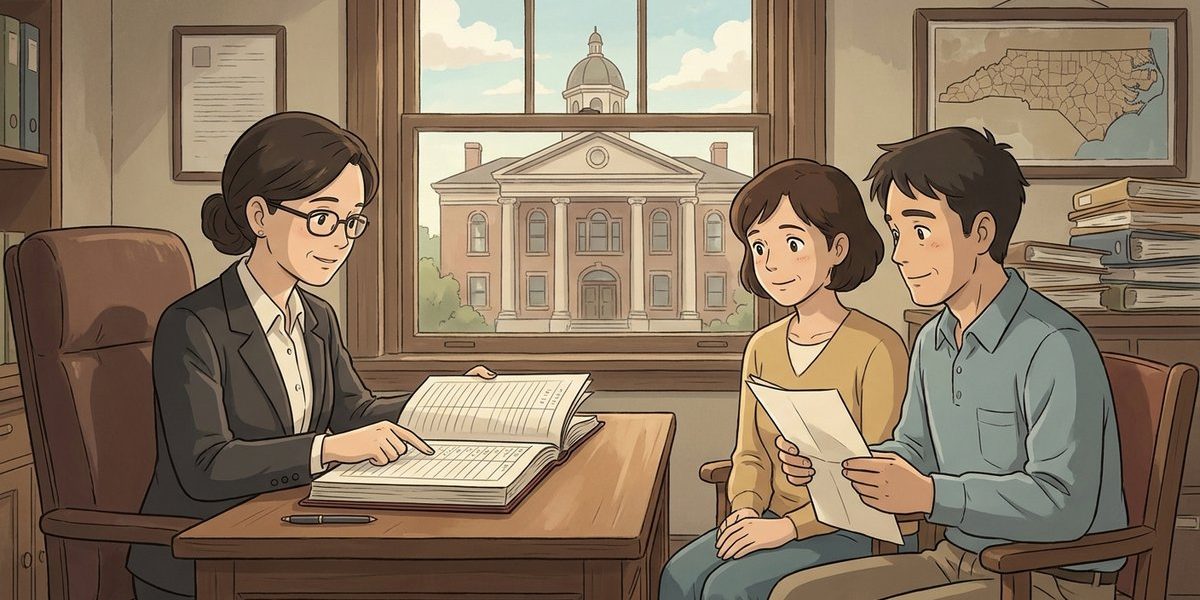
In North Carolina, the usual place to find out whether a deceased person’s estate has been opened is the Clerk of Superior Court in the county where the person lived. If an estate has been opened, the file will usually show whether a will was probated and whether someone received Letters Testamentary or Letters of Administration. For a vehicle, that matters because the person with those letters is usually the one with authority to deal with the title, although North Carolina also allows some vehicle transfers without a full estate in limited situations.
Understanding the Problem
The single issue is whether, in North Carolina probate, a deceased vehicle owner’s estate has been opened so the correct person can be identified to handle the vehicle. That usually means checking whether the clerk has an estate file and whether a personal representative has been appointed. If no estate file exists, the next question is often whether the vehicle can still be transferred through a simplified DMV process instead of full estate administration.
Apply the Law
In North Carolina, the Clerk of Superior Court has probate jurisdiction over wills and estate administration. When an estate is opened, the clerk’s file typically shows the key documents: an application, any admitted will, and the court-issued authority called Letters Testamentary or Letters of Administration. Those letters identify the personal representative, who is usually the proper person to contact about estate property, including a vehicle titled only in the decedent’s name. For vehicle title issues, the North Carolina DMV may also accept other probate-related documents in limited cases, especially when no full administration is pending or expected.
Key Requirements
- Correct county: The first search is usually in the county where the decedent was domiciled, because that is the normal probate venue.
- Estate file or letters: The clearest sign that an estate has been opened is a clerk file showing a will admitted to probate or Letters Testamentary or Letters of Administration issued to a personal representative.
- Vehicle-specific authority: If no one has qualified as personal representative, a vehicle may still be transferable in some limited situations through DMV paperwork supported by affidavits or clerk-issued assignment documents rather than full administration.
What the Statutes Say
- N.C. Gen. Stat. § 7A-241 (Probate jurisdiction) – gives the superior court division, through the clerk, original probate and estate administration jurisdiction.
- N.C. Gen. Stat. § 31-39 (Probate necessary to pass title) – explains that a duly probated will is effective to pass title to real and personal property, and sets a deadline relevant to lien creditors and purchasers for value from intestate heirs.
Analysis
Apply the Rule to the Facts: Here, a vehicle has been sitting unused at an apartment complex, and the reported owner may have died. The practical first step is to check the estate records with the Clerk of Superior Court in the county where that owner last lived, because an open estate file would identify the executor or administrator. If letters were issued, that personal representative is usually the proper contact for any discussion about preserving, moving, or possibly selling the vehicle.
If no estate appears in the clerk’s records, that does not always mean the vehicle is ownerless or available for purchase. In North Carolina, some vehicle transfers after death can happen without a full estate file when no administration is pending or expected and the DMV’s requirements are met. Practice materials also note that DMV offices may ask for a certified death certificate, certified letters, or other clerk-issued paperwork, and that title problems can sometimes be handled with DMV Form MVR-4 if the original title is missing.
Process & Timing
- Who checks: an interested person, heir, buyer, landlord, or property manager. Where: the Estates Division of the Clerk of Superior Court in the North Carolina county where the decedent lived. What: ask whether an estate file exists and, if so, whether the file shows a will, Letters Testamentary, or Letters of Administration. When: as soon as the death is suspected and before the vehicle is moved, sold, or treated as abandoned.
- If the clerk confirms an estate is open, obtain the case number and the name of the personal representative from the public file, then communicate only with that authorized person about the vehicle. If no estate is open, the next step is often to determine whether an heir, surviving spouse, or other interested person plans to open one or use a limited DMV transfer process instead. County filing practices and public access methods can vary.
- For title transfer, the final paperwork usually goes through the North Carolina DMV or a local license plate agency. Depending on the situation, the DMV may require the certificate of title, a certified death certificate, and certified Letters, or in limited cases affidavits or other clerk-issued documents showing who may transfer the vehicle.
Exceptions & Pitfalls
- A jointly titled vehicle may pass outside a probate estate, so the title record matters before assuming the vehicle must go through full administration.
- The absence of an open estate file does not authorize a private sale. A buyer should avoid paying anyone who cannot show legal authority from the clerk or DMV-accepted transfer documents.
- Missing title, unreleased liens, and inconsistent DMV counter practices can delay transfer. In some cases, a lien release or duplicate-title process is needed before any sale can be completed. For related issues, see no probate case has been opened but the DMV is asking for letters and a simplified small-estate option just to retitle a vehicle.
Conclusion
To find out whether a deceased vehicle owner’s estate has been opened in North Carolina, check the Estates Division of the Clerk of Superior Court in the county where the owner lived and ask whether the file shows a probated will or issued letters. Those records usually identify the person with authority to handle the vehicle. The key next step is to request the estate file information from the clerk promptly.
Talk to a Probate Attorney
If a deceased owner’s vehicle is sitting unused and it is unclear who has authority to deal with it, our firm can help explain the probate and DMV steps under North Carolina law. Call us today at 919-341-7055.
Disclaimer: This article provides general information about North Carolina law based on the single question stated above. It is not legal advice for your specific situation and does not create an attorney-client relationship. Laws, procedures, and local practice can change and may vary by county. If you have a deadline, act promptly and speak with a licensed North Carolina attorney.

