
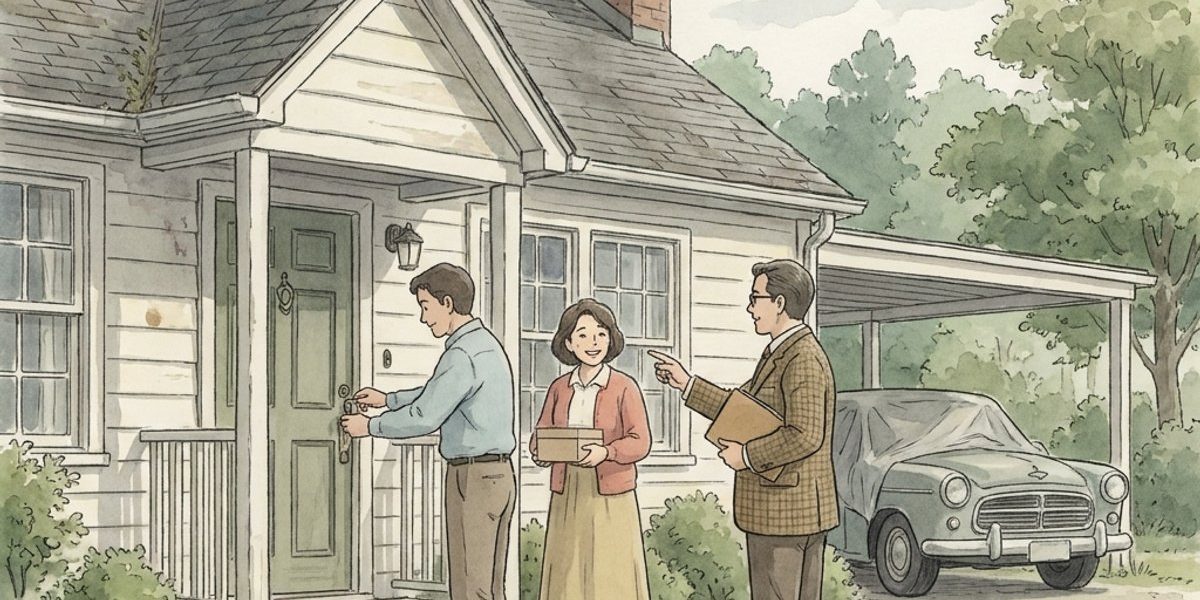
Can an adult child secure a deceased parent’s home and vehicle before probate is opened? – NC
Short Answer
Usually, an adult child in North Carolina can take limited, practical steps to protect a deceased parent’s home and vehicle from loss or damage before probate is opened, but cannot fully take control of estate property as the legal estate representative until the clerk issues letters. The safer rule is preserve, not distribute: secure the property, prevent waste, locate the will, and move quickly to open the estate in the county where the decedent lived. Once appointed, the personal representative can deal with title, access, insurance, and transfers through the estate process.
Understanding the Problem
In North Carolina probate, the main question is whether an adult child may protect a deceased parent’s house and vehicle before the clerk of superior court appoints someone to administer the estate. The issue is not who ultimately inherits the property, but what limited steps may be taken right away to prevent theft, damage, or loss while the family arranges cremation, obtains death certificates, and determines whether a will exists. The key timing point is the period after death but before the estate is formally opened.
Apply the Law
North Carolina places probate and estate administration under the clerk of superior court in the county with jurisdiction over the decedent’s estate. A will is not effective to pass title to real and personal property until it is probated, and an heir or child does not automatically become the estate’s decision-maker at death. Still, North Carolina practice recognizes an important difference between preserving property and exercising the full powers of a personal representative. Before letters testamentary or letters of administration are issued, the family should focus on safeguarding assets, locating estate papers, maintaining insurance if possible, and avoiding any sale, transfer, or distribution of the home, vehicle, or other property. If there was a prior divorce from a former spouse, that can also affect whether the former spouse still takes under an older will, so the will must be reviewed carefully rather than assumed valid in every part.
Key Requirements
- Preservation only: Limited steps to lock, monitor, and protect estate property are generally different from selling, moving, gifting, or using it as if ownership already changed.
- Court appointment controls authority: The person with legal authority to act for the estate is the executor named in a probated will or the administrator appointed by the clerk of superior court.
- Open the estate in the proper county: The estate should be opened with the clerk of superior court in the county where the decedent was domiciled, and that filing should happen promptly so someone can obtain letters and act formally.
What the Statutes Say
- N.C. Gen. Stat. § 7A-241 (Probate jurisdiction) – the clerk of superior court has probate and estate administration jurisdiction in North Carolina.
- N.C. Gen. Stat. § 31-39 (Effect of probate on title) – a duly probated will is effective to pass title to real and personal property.
- N.C. Gen. Stat. § 31-11 (Will depository with clerk) – a will may have been deposited for safekeeping with the clerk of superior court before death.
Analysis
Apply the Rule to the Facts: Here, the adult child appears to be trying to prevent loss while handling cremation, obtaining a death certificate, and finding out whether a will exists. Under North Carolina law, that supports limited protective steps such as arranging for the home to be locked, checking whether utilities or conditions create immediate risk, securing visible keys, and protecting the vehicle from theft or weather exposure. It does not support selling the vehicle, removing property for personal use, changing title, or distributing belongings before appointment by the clerk.
If the home cannot be safely accessed, the first goal is preservation, not entry at all costs. A neutral example is a house with an unlocked door or broken window: arranging for the property to be secured against trespass is different from clearing out furniture or taking valuables. Another example is a vehicle left exposed with keys available: moving it to a safe location or preventing theft may be reasonable, but using it regularly or transferring it is not.
Process & Timing
- Who files: the person seeking appointment as executor under a will or as administrator if no will is found, often an adult child when no higher-priority person is serving. Where: the Clerk of Superior Court in the North Carolina county where the decedent lived. What: the estate application and probate filings required by that clerk, along with evidence of death and the original will if one is located. When: as soon as reasonably possible after death, especially if the home or vehicle needs formal management.
- Next, the clerk reviews the filing, determines whether a will is admitted to probate or an administrator should be appointed, and then issues letters if the applicant qualifies. County procedures vary, and an out-of-state applicant may need to satisfy additional filing or service requirements before acting.
- After letters issue, the personal representative can formally access, inventory, insure, manage, and if appropriate later transfer or sell estate property, including the house and vehicle, subject to estate rules and any creditor or beneficiary rights.
Exceptions & Pitfalls
- A former spouse may not have the same rights the family assumes under an older estate plan, so any will should be reviewed carefully before anyone relies on it.
- A common mistake is removing cash, firearms, vehicles, or household items for safekeeping without records, which can later create disputes over inventory and possession.
- Another common problem is dealing with insurers, banks, retirement custodians, or the DMV before letters are issued; many institutions will share limited information but will not honor full instructions until a personal representative is appointed.
Conclusion
Yes, an adult child in North Carolina can usually take narrow steps to secure a deceased parent’s home and vehicle before probate is opened, but only to preserve the property from loss or damage. The child does not gain full authority over the estate until the clerk of superior court appoints a personal representative and issues letters. The key next step is to file the estate matter with the proper clerk promptly so the appointed representative can lawfully manage the house, vehicle, and other assets.
Talk to a Probate Attorney
If a family is dealing with a death, an unsecured home or vehicle, and uncertainty about how to start estate administration in North Carolina, our firm has experienced attorneys who can help explain the next steps, required filings, and timing. Call us today at 919-341-7055. For more on getting started, see the first steps I should take as an heir and what paperwork is needed to open an estate.
Disclaimer: This article provides general information about North Carolina law based on the single question stated above. It is not legal advice for your specific situation and does not create an attorney-client relationship. Laws, procedures, and local practice can change and may vary by county. If you have a deadline, act promptly and speak with a licensed North Carolina attorney.

