
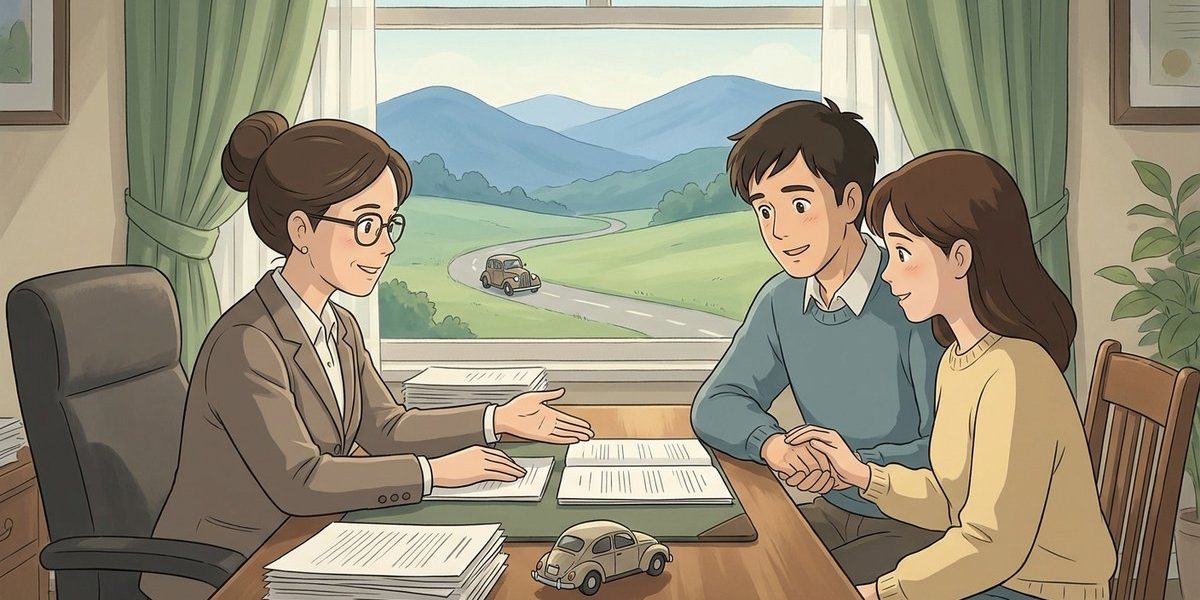
Can I change my will to leave my vehicles to someone else? – NC
Short Answer
Yes. In North Carolina, a person can change a will to leave vehicles to a different beneficiary, but the change must be made with the same legal formalities required for a valid written will. In most cases, that means signing a new will or a codicil that clearly revokes the old vehicle gift and is properly witnessed. Handwritten notes on the old will usually do not make a valid change.
Understanding the Problem
In North Carolina estate planning, the decision point is whether a person can revise an existing will so a different beneficiary receives vehicles at death. The actor is the person making the will, and the action is changing a gift of personal property without upsetting the rest of the estate plan, especially planning centered on a minor child. The timing matters because the change should be completed before death and before any later confusion develops about which document controls.
Apply the Law
North Carolina allows a person to dispose of personal property, including vehicles, by will. A change to that gift must be made through a later valid will, a valid codicil, or another written revocation executed with will formalities. For most estate plans, the main forum after death is the Clerk of Superior Court handling the estate, because the will must be probated before it passes title to property. A practical threshold is that the revised document should clearly identify the prior will or the specific clause being changed so the executor can administer the estate without conflict.
Key Requirements
- Valid execution: The change must be signed and completed with the formalities North Carolina requires for a written will, rather than by crossing out lines or adding side notes.
- Clear revocation or amendment: The new document should plainly state whether it replaces the entire prior will or only changes the vehicle gift, so there is no doubt about who receives the cars, trucks, or other titled vehicles.
- Property still in the estate: The will controls only property owned at death. If a vehicle is sold, retitled, or no longer part of the estate, the gift may fail and the executor cannot distribute that exact item.
What the Statutes Say
- N.C. Gen. Stat. § 31-3.2 (Kinds of wills) – North Carolina permits personal property and real property to pass by a valid will.
- N.C. Gen. Stat. § 31-5.1 (Revocation of written will) – A written will or part of it may be revoked by a later written will, codicil, or other revocatory writing executed with the required formalities.
- N.C. Gen. Stat. § 31-11.6 (Self-proved wills) – A will may be made self-proved, which can make probate smoother because witness affidavits are already attached.
- N.C. Gen. Stat. § 31-39 (Probate necessary to pass title) – A duly probated will is effective to pass title to real and personal property.
- N.C. Gen. Stat. § 31-11 (Will safekeeping with clerk) – A living person may deposit a will with the clerk for safekeeping and withdraw it later on written request.
Analysis
Apply the Rule to the Facts: The facts describe a planned revision that removes one gift of clothing and household items, changes who receives vehicles, and keeps the larger estate plan focused on a minor child. Under North Carolina law, that kind of targeted change is usually handled by either a new will or a codicil, so long as the new document clearly changes the vehicle provision and is executed with the required formalities. Because vehicles are titled personal property, the wording should identify whether the gift covers all vehicles owned at death or only a specific vehicle, which helps avoid later disputes if one vehicle is sold and another is acquired.
The facts also raise whether the executor handles small personal items. In practice, the executor or personal representative gathers estate property, follows the will, and distributes tangible personal property that remains in the estate, including vehicles and ordinary household items, after debts, expenses, and required estate steps are addressed. That is one reason many estate plans use clearer categories for tangible personal property and keep the will focused on major decisions such as guardianship planning for a child and who receives larger assets.
The request to add health care decision-making documents points to a separate but common planning issue. A will controls what happens at death, but it does not authorize someone to make medical decisions during life. That is why estate plans often pair a will with documents such as a health care power of attorney and advance directive, as discussed in healthcare directives and other planning papers for incapacity.
The facts also ask whether the will would still work after a later move to another jurisdiction. A North Carolina will often remains useful after a move, but relocation can create questions about execution rules, probate procedure, vehicle title transfer, and whether other state forms are better for powers of attorney or medical directives. For that reason, a move is a good trigger for a review, much like the broader planning review described in estate planning documents guidance for changing family needs.
Process & Timing
- Who files: The person making the will signs the revised will or codicil during life; after death, the named executor or another proper applicant offers it for probate. Where: During life, the document is signed privately and may be placed for safekeeping with the Clerk of Superior Court in a North Carolina county. After death, probate is handled before the Clerk of Superior Court in the county with estate jurisdiction. What: A new will or codicil that clearly changes the vehicle gift, and often a self-proving affidavit. When: The amendment should be completed as soon as the decision changes; after death, the will should be offered for probate promptly because a will is not effective to pass title until probated, and North Carolina law includes a two-year outside limit as against certain lien creditors or purchasers for value from the intestate heirs.
- Next, the executor gathers the original will, opens the estate if needed, and identifies the titled vehicles and other personal property that are still owned by the decedent. If the revised document is self-proved, probate may move more smoothly because witness proof is already built into the document.
- Finally, the executor follows the probated will, transfers the vehicles and other property to the correct beneficiary, and closes the estate with the clerk after required administration steps are complete.
Exceptions & Pitfalls
- A handwritten change on the face of a typed will usually does not work unless it independently satisfies North Carolina rules for a valid will change.
- A gift of a specific vehicle can fail if that vehicle is sold, traded in, or retitled before death, so broad wording may be better when the goal is to pass whatever vehicles are owned at death.
- Confusion often arises when a codicil changes one clause but leaves inconsistent language elsewhere in the will. Clear drafting avoids fights over whether the old gift was fully revoked.
- Witness and execution mistakes can invalidate the change even if everyone agrees on intent.
- Moving to another state may not void the will, but local probate and title-transfer rules can create practical problems if the documents are not reviewed.
Conclusion
Yes. In North Carolina, a person can change a will to leave vehicles to someone else, but the change should be made through a properly executed new will or codicil that clearly replaces the old vehicle gift. The key threshold is valid execution under North Carolina will rules, and the most important next step is to sign the revised document promptly and make sure the executor can later file the original will with the Clerk of Superior Court for probate.
Talk to a Estate Planning Attorney
If a will needs to be updated to change who receives vehicles, remove small personal property gifts, or keep the plan centered on a minor child, our firm has experienced attorneys who can help explain the options and timing. Call us today at 919-341-7055.
Disclaimer: This article provides general information about North Carolina law based on the single question stated above. It is not legal advice for your specific situation and does not create an attorney-client relationship. Laws, procedures, and local practice can change and may vary by county. If you have a deadline, act promptly and speak with a licensed North Carolina attorney.

