
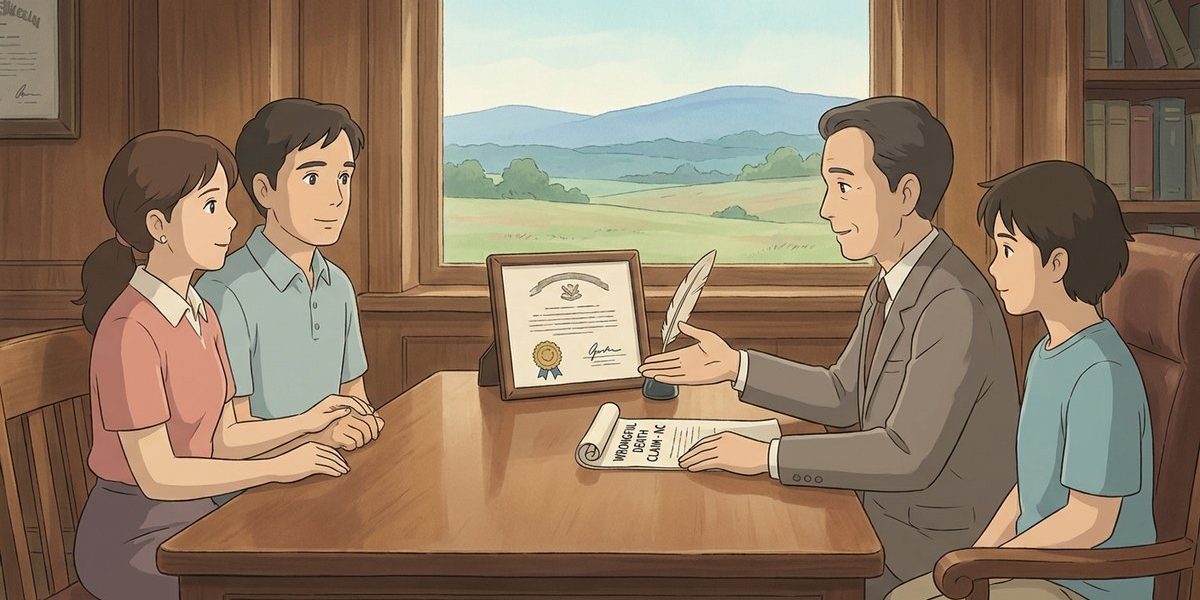
What happens to a wrongful death claim if the injured person dies before the claim is resolved? – NC
Short Answer
In North Carolina, the claim does not automatically disappear when the injured person dies. If the death was caused by the same wrongful conduct, the case is typically pursued by the decedent’s personal representative as a wrongful death claim for the benefit of the statutory beneficiaries, not as a claim owned and distributed like ordinary estate property. If the person dies before suit is filed and the claim survives, the personal representative may also need to act within a separate one-year window after death under North Carolina law.
Understanding the Problem
In North Carolina wrongful death law, the main question is whether a pending injury-based claim continues after the injured person dies, and if so, who has authority to carry it forward and how any recovery is handled. The answer usually turns on the role of the personal representative, whether the death arose from the same alleged misconduct, and whether estate administration must stay open long enough for the claim to be resolved and distributed.
Apply the Law
North Carolina law places a wrongful death claim in the hands of the decedent’s personal representative. That representative brings the claim in court, usually in Superior Court, and handles settlement or litigation on behalf of the statutory beneficiaries. A key timing rule also matters: if a person with a surviving cause of action dies before the limitations period runs, the personal representative may have up to one year from death to commence the action under N.C. Gen. Stat. § 1-22. In practice, North Carolina also treats wrongful death proceeds differently from ordinary estate assets, which is why estate administration and distribution issues often remain important even after liability questions are addressed.
Key Requirements
- Proper party: The decedent’s personal representative, not an individual family member acting alone, must pursue the wrongful death claim.
- Correct claim type: If the death resulted from the same alleged wrong, the case is generally pursued as wrongful death rather than left as an unresolved personal injury claim.
- Estate administration: The estate often must remain open long enough for the representative to receive, account for, and distribute any recovery through the proper legal channels.
What the Statutes Say
- N.C. Gen. Stat. § 1-22 (Death before limitation expires) – allows a personal representative to start a surviving action within one year after death if the injured person dies before the normal filing period expires.
Analysis
Apply the Rule to the Facts: The facts describe a pending claim tied to alleged toxic exposure and note that several related estates may need to remain open because any recovery could pass through one estate into another before reaching surviving heirs. Under North Carolina practice, that setup usually means the personal representative must stay in place and keep the estate administration active until the claim is resolved, approved if needed, and distributed to the legally entitled recipients. If the death was caused by the same exposure at issue in the pending claim, the case is generally handled as a wrongful death matter through the estate representative rather than treated as an ordinary unresolved injury claim belonging to the decedent alone.
The estate-closing concern in the facts is also legally significant. When one beneficiary dies and the right to receive funds then becomes part of another estate, distribution may require sequential administration rather than a single direct payment to living relatives. That is one reason North Carolina practitioners often keep related estates open until the claim amount, the proper recipients, and the path of distribution are clear.
Process & Timing
- Who files: the personal representative of the decedent’s estate. Where: usually the appropriate North Carolina trial court, often Superior Court, with estate authority issued through the Clerk of Superior Court in the county where the estate is administered. What: the civil complaint or substitution paperwork in the pending case, along with estate appointment documents if authority must be shown. When: as soon as possible after death; if suit has not yet been filed and the cause of action survives, North Carolina law may allow filing within one year after death under N.C. Gen. Stat. § 1-22.
- Next, the representative continues the litigation or settlement process, gathers court approval if required for the settlement structure, and identifies the proper beneficiaries and any estate-to-estate transfer issues. Timing can vary by county and by whether multiple estates are involved.
- Final step: the representative receives the proceeds, completes the required accounting and distribution, and obtains the final estate documents needed before closing each affected estate.
Exceptions & Pitfalls
- If the death was unrelated to the underlying injury, the case may involve survival issues instead of a straightforward wrongful death conversion, and the damages analysis can change.
- A common mistake is assuming family members can continue the case without opening or maintaining an estate; in North Carolina, the personal representative’s authority is usually essential.
- Another common problem is closing an estate too early. If proceeds may pass through one estate into another, premature closing can delay distribution and create avoidable probate complications.
Conclusion
In North Carolina, a claim based on injuries does not simply end because the injured person dies before the case is resolved. If the same alleged misconduct caused the death, the personal representative usually continues the matter as a wrongful death claim, and the estate may need to stay open until distribution is complete. The key next step is to have the personal representative confirm the claim type and file or substitute the proper estate party promptly, including within one year after death if that deadline applies.
Talk to a Wrongful Death Attorney
If a pending injury or toxic-exposure case became a death claim and estate administration now affects who can recover, our firm has experienced attorneys who can help explain the claim path, probate issues, and timing rules. Call us today at 919-341-7055. For related estate authority issues, see authority to act on behalf of the estate in a wrongful death case and approving and distributing a wrongful-death settlement through an estate.
Disclaimer: This article provides general information about North Carolina law based on the single question stated above. It is not legal advice for your specific situation and does not create an attorney-client relationship. Laws, procedures, and local practice can change and may vary by county. If you have a deadline, act promptly and speak with a licensed North Carolina attorney.

