
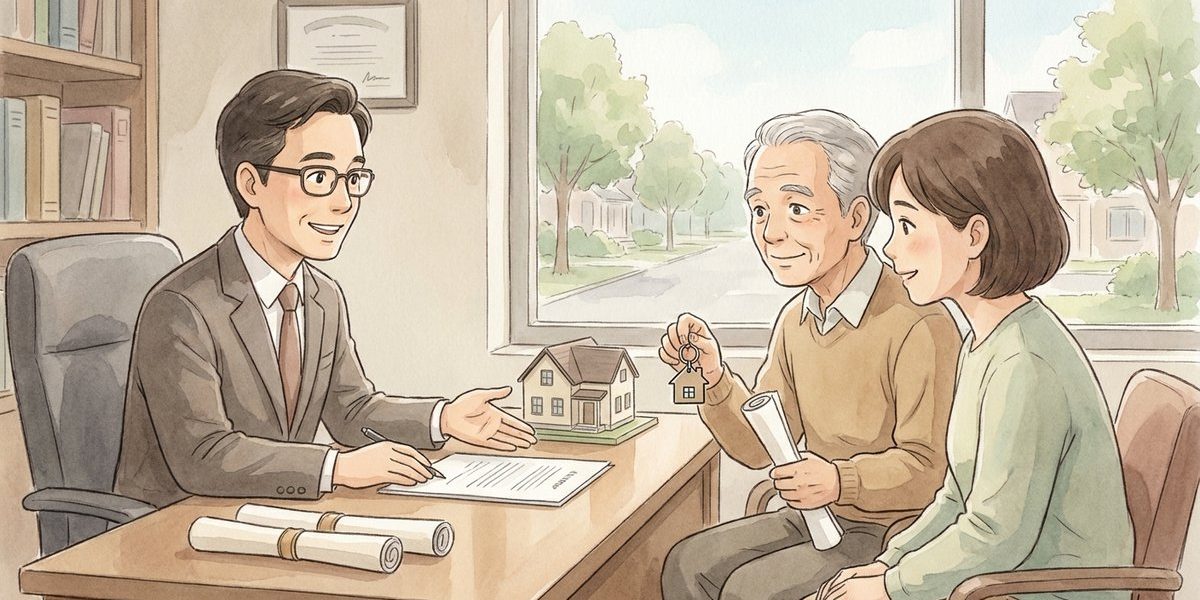
Do I need to put my name on my surviving parent’s deed now, or can the house pass to me through the will later? – NC
Short Answer
Usually, no deed change is required now for a child to receive a North Carolina house later. If the surviving parent owns the home at death and leaves it by will, the home can pass under the will through the estate process; if the home is already owned by the surviving parent through survivorship, the first spouse’s will does not control that property. Adding a child to the deed during the parent’s lifetime is a separate transfer with its own risks, and early cognitive decline makes timing and capacity especially important.
Understanding the Problem
In North Carolina probate, the main question is whether a surviving parent must sign a new deed now for a child to receive the home later, or whether the home can pass at the surviving parent’s death under that parent’s will. The answer turns on who owns the property after the first spouse’s death, whether the property passed by survivorship instead of probate, and whether the surviving parent still has legal capacity to make estate-planning changes.
Apply the Law
Under North Carolina law, a will passes only property the person owns at death. If a married couple owned the home as tenants by the entirety, the surviving spouse becomes the owner automatically at the first spouse’s death by survivorship, so that property does not pass under the deceased spouse’s will. Once the surviving parent owns the home, that parent may leave it by will, but the will must be probated with the Clerk of Superior Court in the county where the estate is opened, and later sales, leases, or mortgages of inherited real estate can be affected by creditor-notice rules during the estate administration period.
Key Requirements
- Current ownership controls: The first step is confirming how the deed is titled now. If the home was owned jointly by spouses with survivorship rights, the surviving parent usually owns it outright after the first death.
- A will transfers only what the parent owns at death: A surviving parent’s will can direct who receives the house later, but only if the parent still owns the house when death occurs.
- Capacity matters for any deed or new will: If the surviving parent is showing cognitive decline, any deed signed now or estate-planning document signed later must be made while the parent still has legal capacity.
What the Statutes Say
- N.C. Gen. Stat. § 41-64 (Termination of tenancy by the entirety upon death of a spouse) – property held by spouses as tenants by the entirety belongs to the surviving spouse by survivorship at death.
- N.C. Gen. Stat. § 31-40 (What property passes by will) – a will passes property the testator is entitled to at death.
- N.C. Gen. Stat. § 41-56 (Creation of tenancy by the entirety) – explains when North Carolina treats property conveyed to spouses as tenancy by the entirety.
Analysis
Apply the Rule to the Facts: Here, the first parent died with a will leaving everything to the surviving spouse, but the facts also indicate that most assets, including the real property, were jointly owned or passed by beneficiary designation. That means the house likely passed to the surviving parent by survivorship, not through the deceased parent’s will. If so, the surviving parent now owns the home and can leave it to the only child by will later, without adding the child’s name to the deed now.
If the surviving parent signs a deed now adding the child as an owner, that is a present transfer, not just a future inheritance plan. That can change control of the property immediately and may create later title, creditor, or family-dispute issues. Because the surviving parent is showing early cognitive decline, the safer legal question is often whether the parent still has capacity to sign a valid new will, deed, or power of attorney before any further decline.
North Carolina practice also treats survivorship property differently from probate property. In most estates, a personal representative does not need to handle property that passed automatically to a surviving joint owner, while real estate that passes under a later will may still require probate steps and attention to creditor-notice timing before a clean sale, lease, mortgage, or deed out. For related planning options, see transfer my parent’s house so it passes to me without going through probate.
Process & Timing
- Who files: after the surviving parent’s death, the named executor or another qualified applicant. Where: the office of the Clerk of Superior Court in the county where the surviving parent lived. What: the will for probate and the estate application forms required by the clerk. When: as soon as reasonably possible after death; if inherited real estate will be sold, leased, mortgaged, or deeded out during administration, the first publication of notice to creditors and the estate timeline matter, especially within the first two years after death.
- Next step with realistic timeframes; the clerk opens the estate, issues letters if appropriate, and the personal representative gives notice to creditors. County practice can vary, and title companies often want the estate record and deed history reviewed before any later transfer.
- Final step and expected outcome/document: once the estate administration allows distribution, the house passes under the will to the devisee, and the chain of title is completed through the estate record and any needed recorded deed or other title document.
Exceptions & Pitfalls
- If the current deed already names the surviving parent and child together, or uses a different form of co-ownership, the answer may change because present ownership controls what passes later.
- A will does not avoid probate for a house owned in one person’s sole name at death. If avoiding probate is the goal, other planning tools may need review. See does the house still have to go through probate if it’s only in my name.
- Capacity and undue-influence disputes are common when a parent has cognitive decline. Waiting too long can make a deed, will, or power of attorney vulnerable to challenge, and poor timing can leave no valid planning document in place.
Conclusion
In North Carolina, a child usually does not need to be added to a surviving parent’s deed now for the house to pass later. If the surviving parent owns the home at death, the parent can leave it by will, but the house will generally pass through that parent’s estate, and any sale, lease, mortgage, or transfer during administration should be reviewed with the Clerk of Superior Court process and creditor-notice timing in mind. The next step is to confirm the current deed and update the surviving parent’s estate plan while capacity remains intact.
Talk to a Probate Attorney
If a family is dealing with a surviving parent’s home, an earlier spouse’s will, and concerns about cognitive decline, our firm has experienced attorneys who can help explain ownership, probate, and planning timelines under North Carolina law. Call us today at 919-341-7055.
Disclaimer: This article provides general information about North Carolina law based on the single question stated above. It is not legal advice for your specific situation and does not create an attorney-client relationship. Laws, procedures, and local practice can change and may vary by county. If you have a deadline, act promptly and speak with a licensed North Carolina attorney.

