
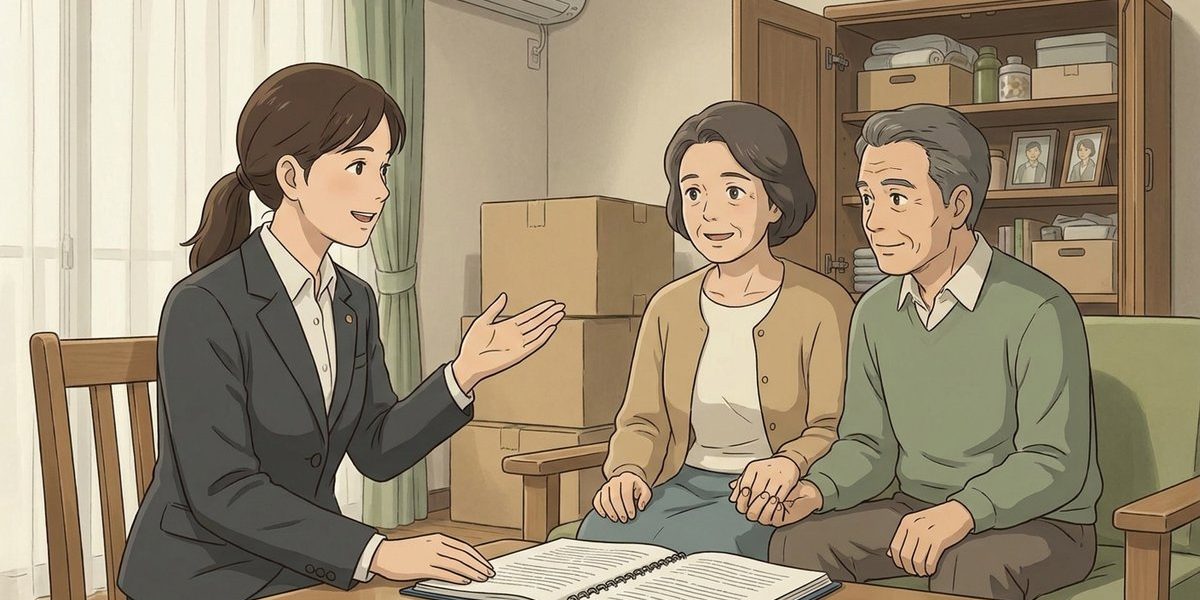
Can my executor handle clearing out my house and deciding what personal items go to other relatives? – NC
Short Answer
Usually yes, but only within the limits of the will and North Carolina estate administration rules. In North Carolina, an executor may gather, safeguard, inventory, and manage estate property, including household contents, while the estate is being administered. The executor should not simply give items to other relatives based on personal preference if the will leaves the estate generally to the adult children and does not make separate gifts of personal items.
Understanding the Problem
In North Carolina, the main question is whether the person named to serve as executor can take charge of the house contents after death and decide how personal property is divided when a simple will leaves assets generally to adult children. The issue is not whether the executor can do household cleanout work in a practical sense, but whether that authority includes making distribution decisions. The answer turns on the executor’s duty to protect estate property, follow the will, and complete the probate process through the clerk of superior court.
Apply the Law
Under North Carolina law, a will can pass both real and personal property at death, and the executor’s job is to administer the estate according to that will and the probate process. That usually means the executor may secure the house, collect and list personal property, arrange removal or storage of items, and keep records while debts, claims, and required filings are handled. But the executor acts as a fiduciary, so the executor must follow the will’s terms, respect the rights of the named beneficiaries, and avoid informal giveaways before the estate is ready for distribution. In most routine estates, the probate file is handled through the clerk of superior court in the county where the estate is opened, and the executor generally must publish notice to creditors and allow the claims period to run before making final distributions.
Key Requirements
- Follow the will: If the will gives the estate generally to the adult children and does not list special gifts of furniture, jewelry, or keepsakes, the executor should treat those items as part of the estate rather than assign them to other relatives by personal choice.
- Protect and account for property: The executor may take possession of household contents for administration, make an inventory, secure valuables, and document what is removed, sold, stored, or distributed.
- Wait until the estate is ready: The executor should consider creditor claims, expenses, and any family allowance issues before making final distributions of personal property or clearing out the house in a way that cannot be undone.
What the Statutes Say
- N.C. Gen. Stat. § 31-39 (Probate necessary to pass title) – A duly probated will is effective to pass title to real and personal property.
- N.C. Gen. Stat. § 30-20 (Procedure for assignment; order of clerk) – The clerk addresses statutory allowances from personal property, which can affect what is available for later distribution.
- N.C. Gen. Stat. § 1-339.32 (Accounting for estate sales) – If estate property is sold at public sale under this Article, the executor must include the sale activity in the next account or final report unless the court directs otherwise.
Analysis
Apply the Rule to the Facts: Here, the planned will is simple, names an adult child as executor, names a sibling as backup, and leaves the house and personal property generally to the adult children without special gifts. In that setup, the executor can usually handle the practical work of securing the home, sorting contents, arranging cleanout, and keeping records. But unless the will separately authorizes a memorandum or specific gift list, the executor should not decide that certain relatives get certain personal items just because that seems fair or convenient.
The facts also suggest that burial arrangements and written instructions already exist. That can help the executor carry out practical tasks after death, but those instructions do not replace the will or the executor’s duty to treat estate property consistently with the beneficiaries’ rights. A written note may guide logistics, while the will and probate rules control who ultimately receives estate property.
If all adult children agree on how to divide household items, the executor can often document that agreement and distribute the items accordingly as part of administration. If they do not agree, the safer course is to hold the items, obtain consent, or use a sale-and-divide approach rather than let one relative remove property informally. Families dealing with disputes over access or early removal of items often run into the same problems discussed in access to the property to retrieve sentimental items and give away or let heirs take vehicles or household items before the estate is settled.
Process & Timing
- Who files: the named executor after death. Where: the clerk of superior court in the North Carolina county where the estate is opened. What: the probate application, the original will, qualification papers, and later the estate inventory and accountings required by the clerk. When: the executor should qualify promptly after death, then complete the required inventory and creditor-notice steps on the court’s schedule; final distribution usually should wait until the creditor period has run and estate expenses are known.
- Next, the executor secures the house, identifies and values personal property, keeps a written list of items removed, and determines whether any property must be sold to pay expenses or simplify equal division. If the house contents are sold at public sale under the applicable sale procedure, the executor reports the sale activity in the estate accounting.
- Final step: once claims, expenses, and any required allowances are addressed, the executor distributes the remaining property under the will or by written agreement among the beneficiaries and files the final account to close the estate.
Exceptions & Pitfalls
- A specific bequest in the will changes the answer. If the will says a named person gets a particular item or class of items, the executor must honor that direction.
- Family allowances, valid creditor claims, or administration expenses can reduce what personal property is available for beneficiaries.
- A common mistake is letting relatives remove sentimental items before they are inventoried. That creates proof problems, conflict, and possible breach-of-duty claims against the executor.
- Another mistake is assuming handwritten instructions automatically control distribution. In North Carolina, unless the will validly incorporates a separate method, informal notes may help with wishes but do not override the will.
- If the house itself must be sold or managed during administration, the executor should confirm the source of authority and keep careful records because title and sale procedure can depend on the will, the estate’s needs, and clerk oversight.
Conclusion
In North Carolina, an executor can usually clear out and manage a decedent’s house as part of estate administration, but the executor cannot simply choose which other relatives receive personal items when the will leaves property generally to the adult children. The key point is that the executor must protect, inventory, and account for the property, then distribute it under the will after the estate process is underway. The next step is to draft the will clearly so it states who receives personal property and who has authority to administer it.
Talk to a Estate Planning Attorney
If a family is trying to plan who will handle a house, household contents, and personal items after death, our firm has experienced attorneys who can help explain the executor’s authority, beneficiary rights, and the probate timeline. Call us today at [919-341-7055].
Disclaimer: This article provides general information about North Carolina law based on the single question stated above. It is not legal advice for your specific situation and does not create an attorney-client relationship. Laws, procedures, and local practice can change and may vary by county. If you have a deadline, act promptly and speak with a licensed North Carolina attorney.

