
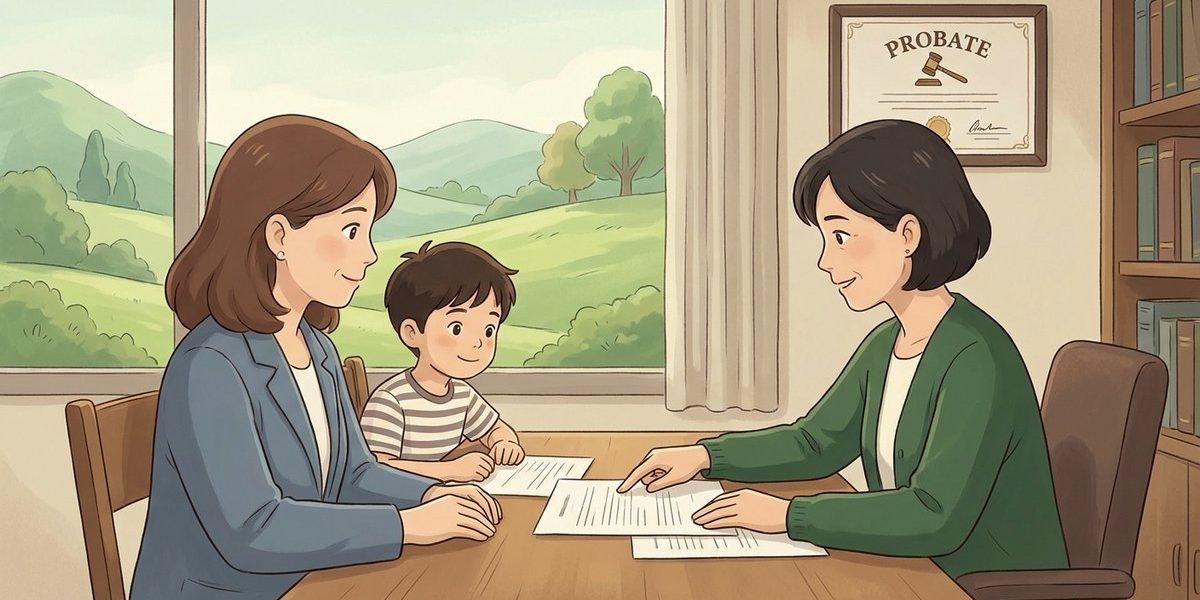
Can a minor heir have someone represent their interests in probate? – NC
Short Answer
Yes. In North Carolina, a minor heir usually does not act alone in probate. The minor’s interests can be protected through a guardian of the estate, or in some situations a guardian ad litem appointed by the clerk or court. If estate administration appears finished but the child has not received information or a distribution, the next step is often to review the estate file with the Clerk of Superior Court and determine whether a formal representative for the child needs to be appointed.
Understanding the Problem
In North Carolina probate, the single issue is whether a minor heir can have an adult formally act for the child when an estate is being administered or when questions remain after the estate appears closed. The actor is the minor heir, the needed relief is representation and protection of the child’s inheritance interest, and the timing matters most when the personal representative has recognized the child’s share but has not provided details or completed distribution.
Apply the Law
North Carolina law treats a minor as someone who generally needs a legally recognized representative to handle property rights in a court matter or special proceeding. In probate, the main forum is usually the estate file before the Clerk of Superior Court in the county where the estate was opened. If the child is entitled to receive property, the clerk may need to approve how that property is held or paid, and a separate guardianship file may be needed if the child is to receive assets that cannot simply be released to a parent or another approved holder.
Key Requirements
- Minor status: A child under 18 generally cannot manage probate litigation or estate property alone, so some form of legal representative is usually required.
- Proper representative: The right person depends on the task. A guardian of the estate may handle property matters, while a guardian ad litem may be appointed for a specific proceeding when the child’s interests need separate protection.
- Clerk oversight: The Clerk of Superior Court often decides whether a guardianship appointment, approval of distribution, or another protective step is necessary before estate funds or property are released.
What the Statutes Say
- N.C. Gen. Stat. § 35A-1221 (Application before clerk) – allows a person to apply to the clerk for appointment of a guardian of the estate for a minor.
- N.C. Gen. Stat. § 35A-1223 (Hearing before clerk on appointment of guardian) – directs the clerk to consider the minor’s assets, liabilities, needs, and best interests when deciding whether a guardian is required.
- N.C. Gen. Stat. § 35A-1227 (Funds owed to minors) – explains that funds due a minor may be handled through the clerk, a parent or guardian with approval, or another authorized transfer method.
- N.C. Gen. Stat. § 33A-5 (Transfer authorized by will or trust) – permits a personal representative to transfer property to a custodian for a minor when the governing will or trust authorizes that method.
- N.C. Gen. Stat. § 33A-7 (Transfer by obligor) – allows certain property or liquidated debts owed to a minor without a guardian to be transferred to a custodian, subject to statutory limits and conditions.
Analysis
Apply the Rule to the Facts: Here, the child is said to be an heir, and the personal representative has already acknowledged that interest. That points to a real property or distribution issue affecting a minor, which North Carolina law usually does not leave for the child to handle alone. If the estate is truly complete but no share was delivered and no clear explanation was given, the child’s parents may need to ask the Clerk of Superior Court to review the estate file and determine whether a guardian of the estate or a case-specific guardian ad litem is needed to protect the child’s interest.
North Carolina practice also distinguishes between representing the child in a proceeding and holding the child’s inheritance after it is paid. In other words, one question is who speaks for the child before the clerk, and a separate question is who can receive and manage the child’s money or property. That distinction matters because a parent may not automatically have authority to demand records, sign receipts, settle disputes, or accept estate assets without clerk approval or a formal appointment.
If the estate file shows that the personal representative still holds funds due the child, the clerk may require the property to be paid through an approved channel rather than directly to the minor. If the file shows the estate was closed without addressing the child’s share, the child’s representative may need to seek further relief in the estate matter so the clerk can address notice, accounting, and proper distribution. For related issues about minors in estates, see what happens in probate when one of the heirs is still a minor and how to get a minor child formally added as an heir in an open probate case.
Process & Timing
- Who files: usually a parent, interested relative, or other interested person. Where: the Clerk of Superior Court in the North Carolina county where the estate was opened, and if needed, a related guardianship matter before the clerk. What: a request to inspect or obtain the estate file, and if necessary an application for appointment of a guardian of the estate or other appropriate representative for the minor. When: as soon as it becomes clear that the child has not received information or distribution, especially if the estate may already be closed.
- The clerk reviews the estate record to see whether the child was listed as an heir, whether notice and accounting were handled, and whether funds remain undistributed or were paid through an approved method. If a guardianship appointment is needed, the clerk may hold a hearing and consider the child’s assets, needs, and best interests.
- Once the proper representative is in place, that person can seek estate information, address any missing distribution, and receive or protect the child’s share in the form the clerk approves, such as guardianship administration, clerk-held funds, or another authorized transfer method.
Exceptions & Pitfalls
- A parent is not always automatically the legal representative for probate property issues. The clerk may require a formal guardianship or other appointment before the parent can act for the child.
- The right representative depends on the problem. A guardian ad litem may protect the child in a specific proceeding, but a guardian of the estate may still be needed to receive and manage inherited assets.
- Closed-estate assumptions can be wrong. The estate file may show that administration is still open, that funds were deposited with the clerk, or that a different transfer method was used. Reviewing the file first helps avoid filing the wrong request.
Conclusion
Yes. In North Carolina, a minor heir can have someone represent the child’s interests in probate, but the correct representative depends on whether the need is to appear in a proceeding, obtain information, or receive and manage inherited property. The key threshold is the child’s minority status, which usually prevents the child from acting alone. The most important next step is to file the appropriate request with the Clerk of Superior Court promptly to review the estate file and, if needed, seek appointment of a guardian for the child.
Talk to a Probate Attorney
If a minor heir has been acknowledged in a North Carolina estate but no clear information or distribution has followed, our firm has experienced attorneys who can help evaluate the probate file, identify the right representative for the child, and explain the next steps and timelines. Call us today at [919-341-7055].
Disclaimer: This article provides general information about North Carolina law based on the single question stated above. It is not legal advice for your specific situation and does not create an attorney-client relationship. Laws, procedures, and local practice can change and may vary by county. If you have a deadline, act promptly and speak with a licensed North Carolina attorney.

