
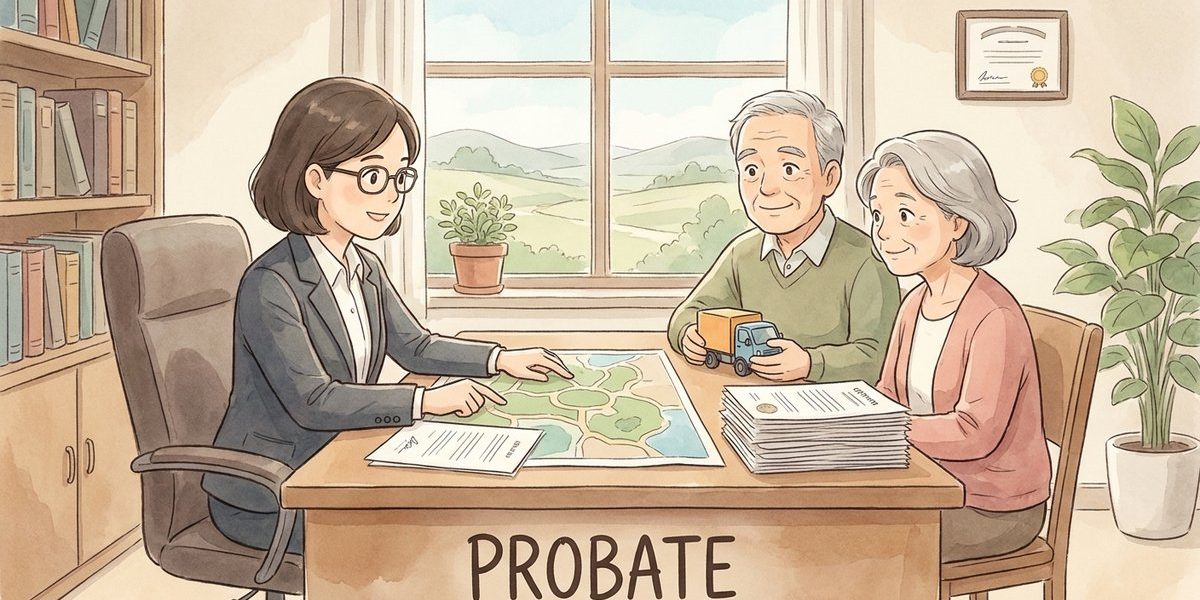
Can I fix a probate problem if the address in the paperwork was entered incorrectly? – NC
Short Answer
Yes, a probate problem caused by an incorrect address in North Carolina paperwork can often be fixed, but the right fix depends on what was filed, what the clerk entered, and whether the mistake affected notice, venue, or title transfer. If the error was clerical, the clerk may allow corrected filings or an amended order. If the estate was set aside or the transfer stalled, the surviving spouse may need to file updated probate papers with the clerk of superior court and then use the corrected order or other estate documents to address the vehicle title issue.
Understanding the Problem
In North Carolina probate, the single issue is whether a surviving spouse can correct an estate filing after an address error in the paperwork caused the clerk to reject, set aside, or delay the matter. The focus is not every estate problem at once. The focus is whether the wrong address changed the validity of the filing, the county where it belongs, or the documents needed to move title to a jointly owned truck into the surviving spouse’s name.
Apply the Law
North Carolina probate matters are handled through the clerk of superior court in the proper county, usually the county where venue is proper based on the decedent’s domicile at death. When a surviving spouse uses a simplified estate procedure, the petition must contain basic identifying information and be filed with the clerk. If information in the filing is wrong, the practical question is whether the mistake was only clerical or whether it affected a required fact such as domicile, notice, or who is entitled to receive property. For vehicle issues, North Carolina law also allows title transfers through estate documents, and in some situations a surviving spouse can perfect title to property through an order of the clerk.
Key Requirements
- Correct county and estate file: The probate filing must be in the county tied to the decedent’s domicile at death or other proper venue rule. If the address error makes the county look wrong, the clerk may require corrected papers before moving forward.
- Accurate identifying information: Names, addresses, and relationship details should match the supporting records closely enough for the clerk and DMV to rely on them. A mismatch can delay the estate even if the underlying right is valid.
- Proper transfer document for the truck: The surviving spouse usually needs the right estate order, letters, or DMV form before title can move into one name, especially if the original title is missing.
What the Statutes Say
- N.C. Gen. Stat. § 31C-4 (Perfection of title of surviving spouse) – allows a surviving spouse to perfect title to certain property through an order of the clerk of superior court who appointed the decedent’s personal representative or by an approved instrument.
- N.C. Gen. Stat. § 30-19 (Property awarded to surviving spouse and children) – places determination of certain personal property allowances with the clerk of court of the county in which venue would be proper under G.S. 28A-3-1.
- N.C. Gen. Stat. § 30-20 (Procedure for assignment; order of clerk) – directs the clerk to enter an order awarding the spouse’s allowance when the statutory requirements are met.
Analysis
Apply the Rule to the Facts: Here, the reported problem is that the court record showed different addresses, but both addresses were connected to the surviving spouse and the spouse believes the information was entered incorrectly. That points first to a possible clerical or data-entry problem rather than a true dispute over identity or ownership. If the wrong address caused the clerk to question venue, notice, or the accuracy of the estate petition, the usual fix is to file corrected probate paperwork with supporting records so the clerk can reinstate, amend, or re-enter the needed order.
The truck issue also fits a common probate pattern. Even when the surviving spouse has the better claim to the vehicle, DMV often wants estate paperwork that clearly matches the decedent’s information and the transferee’s information. If the title is missing, the transfer may require duplicate-title procedures along with certified probate documents, which is one reason the surviving spouse may have been told to get legal help. For related vehicle-transfer issues, see open probate if the main goal is transferring a vehicle and a car titled only in the deceased parent’s name when there is a surviving spouse.
Process & Timing
- Who files: the surviving spouse, or counsel for the surviving spouse. Where: the Clerk of Superior Court, Estates Division, in the North Carolina county where venue is proper based on the decedent’s domicile at death. What: corrected estate papers, which may include an amended summary administration filing, a request for the clerk to correct the estate record, and supporting documents such as a death certificate, any prior estate order, and DMV title materials. If a spouse’s allowance is being used for the vehicle, a certified copy of the clerk’s assignment paperwork may also be needed. When: as soon as the address problem is discovered, because title transfer problems usually do not resolve until the estate record is corrected.
- Next, the clerk reviews whether the address mistake was only clerical or whether it affected venue, notice, or entitlement. Some counties may ask for a short hearing or additional affidavit if the file was previously set aside or if the mismatch created doubt about the proper county or the identity of the parties.
- Finally, once the clerk enters a corrected order or accepts the corrected filing, the surviving spouse can present certified estate documents to DMV to retitle the truck. If the paper title cannot be found, DMV may require its duplicate-title form before issuing a new title in the surviving spouse’s name.
Exceptions & Pitfalls
- If the address error actually points to the wrong county, the issue may be venue, not just a typo. In that situation, the clerk may require a new filing or transfer to the proper county.
- A mismatch between probate records, the death certificate, and DMV records can stop a vehicle transfer even when the surviving spouse is otherwise entitled to it. Consistent names, addresses, and ownership details matter.
- If the title is missing, the probate fix alone may not solve the truck problem. DMV may still require duplicate-title paperwork, lien information, or additional proof before it will issue a new title.
Conclusion
Yes. In North Carolina, an incorrect address in probate paperwork can often be corrected if the mistake was clerical and did not change who is entitled to act or which county has the case. The key question is whether the error affected venue, notice, or the documents needed to transfer the truck. The next step is to file corrected estate papers with the clerk of superior court in the proper county as soon as possible and then use the corrected certified order or related estate documents for DMV.
Talk to a Probate Attorney
If a probate filing was delayed or set aside because of conflicting addresses and a vehicle title still needs to be transferred, our firm has experienced attorneys who can help sort out the estate record, the clerk’s requirements, and the DMV steps. Call us today at [919-341-7055].
Disclaimer: This article provides general information about North Carolina law based on the single question stated above. It is not legal advice for your specific situation and does not create an attorney-client relationship. Laws, procedures, and local practice can change and may vary by county. If you have a deadline, act promptly and speak with a licensed North Carolina attorney.

