
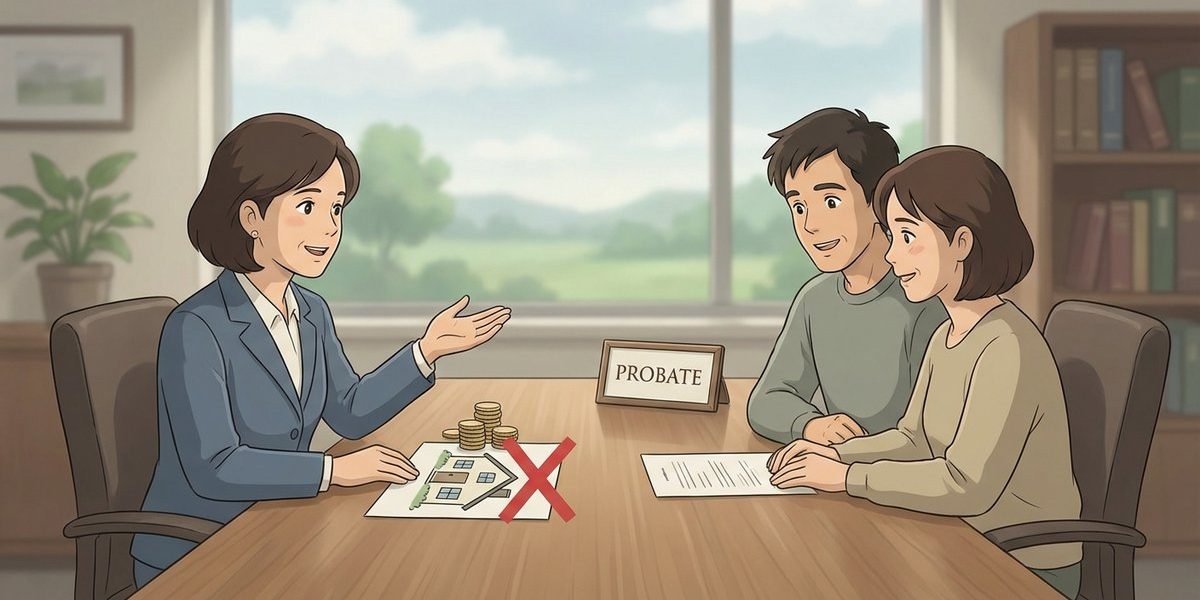
What can we do if the executor uses estate money for house repairs or other expenses when the house isn’t part of the estate? – NC
Short Answer
In North Carolina, an executor must use estate money for estate assets, valid estate debts, and proper administration costs. If the house passed outside the estate or belongs to heirs or a trust, the executor usually should not pay for repairs, utilities, or other house expenses from the estate account. Interested persons can demand an accounting, object to the executor’s account with the Clerk of Superior Court, and in serious cases seek repayment, surcharge, or removal of the executor.
Understanding the Problem
In North Carolina probate, the key question is whether the executor can spend estate funds on a house that is not actually an estate asset. That usually turns on who owns the house after death, whether the estate has any limited claim or duty tied to that property, and whether the expense was truly necessary for estate administration. The answer affects what the executor must account for before the estate can close.
Apply the Law
Under North Carolina law, a personal representative must gather estate assets, pay lawful estate debts and administration expenses, and distribute what remains to the proper beneficiaries. The executor acts in a fiduciary role and must handle estate money with ordinary prudence and good faith. If real property passed directly to devisees, heirs, or a trust rather than into the probate estate, expenses tied to that property are generally not supposed to be paid from the estate account. Probate accountings are filed with the Clerk of Superior Court, and objections often matter most before the final account is approved. If the executor gives notice of a proposed final account, a written objection should be made within 30 days.
Key Requirements
- Estate asset first: The executor should spend estate money only on property and obligations that belong to the estate or are properly chargeable to estate administration.
- Fiduciary duty: The executor must act in good faith, avoid self-dealing, and protect the estate from loss.
- Accounting and correction: Interested persons can review inventories and accountings, challenge improper disbursements, and ask the clerk or court for relief.
What the Statutes Say
- N.C. Gen. Stat. § 28A-13-10 (Powers and duties of personal representative) – makes the personal representative liable for losses caused by improper acts, lack of good faith, or failure to use ordinary care.
- N.C. Gen. Stat. § 28A-21-2 (Accounts) – requires the personal representative to file accountings that show receipts, disbursements, and distributions.
- N.C. Gen. Stat. § 28A-21-6 (Permissive notice of final accounts) – allows notice of a proposed final account and gives a 30-day objection window for matters disclosed in that account.
- N.C. Gen. Stat. § 28A-9-1 (Revocation of letters) – permits removal of a personal representative for statutory cause.
Analysis
Apply the Rule to the Facts: The facts suggest a dispute over whether the parent’s former home belongs to the probate estate at all. If title passed outside probate to the client and another relative, or if the house is held by the trust rather than the estate, the executor usually should not use estate funds for repairs, upkeep, or occupant-related expenses. If the executor paid those costs anyway, that can be challenged as an improper disbursement that reduced funds available for proper estate expenses or distribution.
The same point matters even if someone still lives in the house and claims a right to stay there under the will. A claimed right of occupancy does not automatically make the house an estate asset or authorize the executor to spend estate money on it. The first step is to match each payment to ownership, the will or trust terms, and any actual estate duty tied to preserving estate property.
Personal property inside the home can create a separate issue. The executor may have authority over probate personal property even when the real estate itself is not an estate asset, so the accounting should separate house-related repair costs from costs tied to securing, inventorying, or distributing estate personal property. That distinction often matters when reviewing whether a charge was proper or should be repaid.
Process & Timing
- Who files: an heir, devisee, beneficiary, or other interested person, usually through counsel. Where: the Estates Division before the Clerk of Superior Court in the county where the estate is pending. What: a request to review the estate file, written objection to the accounting, demand for supporting records, and if needed a motion or petition seeking surcharge, repayment, or removal of the executor. When: as soon as questionable disbursements appear; if the executor sends notice of a proposed final account, object within 30 days.
- Next, the clerk can require explanation and supporting documents for the payments, including bank records, invoices, and the basis for treating the house expense as an estate expense. If the estate cannot close until a trustee or trust company signs off, that usually does not excuse improper estate spending; it simply means the probate and trust sides may need to be reviewed together.
- Final step: the clerk may approve the account, disallow the charge, require a corrected accounting, revoke letters, or direct further proceedings. If funds were spent improperly, the executor can be ordered to restore the loss to the estate or face a separate fiduciary dispute.
Exceptions & Pitfalls
- An expense may be defensible if it was truly necessary to protect estate personal property, prevent immediate waste, or satisfy a valid estate obligation tied to property the estate still had authority to manage.
- A common mistake is assuming that because the decedent lived in the house, every post-death house bill is an estate bill. In North Carolina, ownership after death controls that question.
- Another common problem is waiting until after the final account is approved to raise concerns. Early review of inventories, annual accounts, receipts, and backup records is usually safer.
- Trust and probate property are easy to mix up in a pour-over plan. Retirement accounts, trust assets, probate personal property, and real estate may each follow different rules, so the accounting should keep them separate.
- Occupancy disputes and eviction concerns can overlap with probate, but they do not automatically expand the executor’s power over non-estate real property. For a related issue, see adult children staying in the deceased person’s home during probate. If broader estate transparency is also a problem, see executor or trustee isn’t sharing information.
Conclusion
In North Carolina, an executor generally cannot use estate money for repairs or other expenses on a house that is not part of the probate estate. The key question is ownership after death. If the house passed to heirs or a trust, the proper next step is to object to the disbursement and ask the Clerk of Superior Court to review the accounting, ideally before the final account is approved and within 30 days if notice of a proposed final account was given.
Talk to a Probate Attorney
If a personal representative is spending estate funds on property that may not belong to the estate, our firm has experienced attorneys who can help evaluate the accounting, ownership issues, and filing deadlines. Call us today at 919-341-7055.
Disclaimer: This article provides general information about North Carolina law based on the single question stated above. It is not legal advice for your specific situation and does not create an attorney-client relationship. Laws, procedures, and local practice can change and may vary by county. If you have a deadline, act promptly and speak with a licensed North Carolina attorney.

