
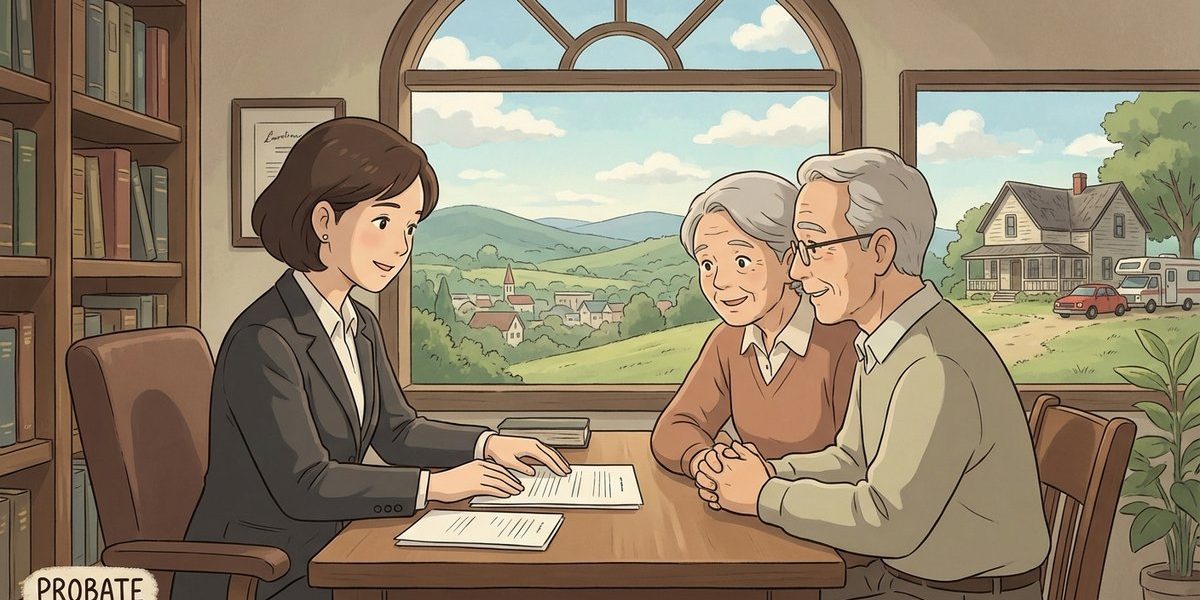
Can an executor sell estate vehicles or a house to pay off a loan tied to estate property? – NC
Short Answer
Yes. In North Carolina, a personal representative may sell estate property to pay valid estate debts, including a loan tied to estate property, but the process depends on whether the asset is personal property or real estate. Vehicles and other personal property are generally easier to liquidate, while a house usually requires the personal representative to show that selling the real property is in the estate’s best interest and, unless the will gives that power, to obtain approval through a special proceeding before the Clerk of Superior Court.
Understanding the Problem
In North Carolina probate, the main question is whether a personal representative can use estate property to satisfy a debt connected to estate assets when the estate includes a financed RV, other vehicles, and a house. The issue turns on the representative’s authority to manage estate assets, the difference between personal property and real property, and whether a sale is needed to pay claims before heirs receive their shares.
Apply the Law
North Carolina law makes both real and personal property available to pay estate debts and administration costs, unless a statute excludes a particular asset. The personal representative must choose the assets that best serve the estate’s administration, and before using real property for that purpose, must determine that doing so is in the estate’s best interest. For a house, the main forum is usually a special proceeding before the Clerk of Superior Court in the county where the real property is located, and heirs or devisees must be made parties and served before an order of sale is entered.
Key Requirements
- Valid estate debt: The loan or claim must be a proper debt or expense the estate is allowed to pay before distributions to heirs.
- Best-interest decision: The personal representative must select the asset or assets that best protect the estate, rather than automatically selling the house first or last.
- Correct procedure for the asset type: Personal property such as vehicles may often be sold through ordinary estate administration, but a house usually requires possession or control plus a court-approved sale process unless the will already grants sale authority.
What the Statutes Say
- N.C. Gen. Stat. § 28A-15-1 (Assets available for debts and claims) – estate real and personal property may be used to pay debts, and the personal representative must choose assets in the estate’s best interest.
- N.C. Gen. Stat. § 28A-13-3 (Possession, custody, and control of property) – the personal representative may need an order to take control of real property for administration.
- N.C. Gen. Stat. § 28A-17-1 (Proceeding to sell real property to create assets) – authorizes the personal representative to seek an order to sell real property to pay debts and claims.
- N.C. Gen. Stat. § 28A-17-2 (Contents of petition) – requires the petition to describe the property, identify heirs or devisees, and state that the sale is in the estate’s best interest.
- N.C. Gen. Stat. § 28A-17-4 (Necessary parties) – heirs and devisees must be made parties and served in the sale proceeding.
- N.C. Gen. Stat. § 1-339.36 (Upset bid in private sale) – private judicial sales of estate property can remain open to upset bids for 10 days.
- N.C. Gen. Stat. § 28A-19-6 (Application of proceeds of encumbered property) – sale proceeds from encumbered property first go to liens on that property before other estate claims.
Analysis
Apply the Rule to the Facts: Here, the financed RV, house, and other vehicles are all estate assets that may be considered when deciding how to pay estate debts. If the RV loan balance exceeds the RV’s sale value, selling the RV may still leave a deficiency, so the personal representative must decide whether selling other estate assets is necessary and in the estate’s best interest. If the house is the asset being considered, the representative usually cannot treat that sale like an ordinary vehicle sale and should expect a formal court process before using the house to create funds for creditors.
The facts also suggest a possible joint account. Whether that account is available to creditors depends on how it was titled and whether it passed outside the estate. North Carolina practice also treats solely owned estate assets as the first source for claims before certain nonprobate assets are reached, so the representative should confirm what actually belongs to the probate estate before deciding what to sell.
The discussion among heirs about one heir buying out the others does not by itself block a sale, but it does change the practical path. If the house is sold during probate, the personal representative must protect creditors first, and any transfer by heirs before the estate is ready can create title and administration problems. In many estates, a buyout can work if the transaction is structured through the probate process and the sale proceeds are preserved until debts, liens, and costs are known.
Process & Timing
- Who files: the personal representative. Where: for a house, the Clerk of Superior Court in the county where the real property is located. What: a petition to sell real property to create assets, and if needed, a request for possession, custody, and control of the property. When: after determining the estate needs the sale to pay debts or claims; heirs and devisees must be served before the clerk can enter the order.
- If the clerk authorizes the sale, the property is sold under the judicial sale rules. A private sale may still be subject to a 10-day upset bid period, which can delay closing and change the final buyer or price.
- After the sale closes, the proceeds are applied first to liens tied to that property, then any remaining balance is used for estate debts in the proper order of priority. The personal representative then reports the transaction in the estate accounting and can move toward final distribution if claims are resolved.
Exceptions & Pitfalls
- A will may give the executor direct power to sell real estate, which can change whether a separate sale proceeding is required.
- If an heir or devisee is not properly joined and served in the real-property proceeding, the sale order may be vulnerable as to that person.
- A secured loan can outstrip the asset’s value. In that situation, selling the collateral may not fully solve the debt, and the remaining deficiency may still need to be handled as an estate claim.
- Joint or survivorship assets may pass outside probate, so treating them as ordinary estate funds without checking title can cause mistakes.
- If a removal petition is pending against the current executor, authority to complete a sale may become disputed or delayed until the clerk resolves who controls the estate.
- When heirs want a buyout instead of an open-market sale, the representative should avoid informal side agreements that ignore creditor rights, lien payoff amounts, or the need to hold proceeds until administration is complete.
- For related issues, see sell estate real estate during probate and sell estate real estate to pay creditors.
Conclusion
Yes. In North Carolina, an executor may sell estate vehicles or a house to pay a valid loan or other estate debt, but the house usually requires a formal probate sale process and notice to heirs. The key threshold is whether the sale is in the estate’s best interest and needed to create assets for claims. The next step is to file a petition with the Clerk of Superior Court for authority to sell the real property and account for any 10-day upset bid period.
Talk to a Probate Attorney
If an estate includes a financed vehicle, a house, and disputes about creditor payment or an heir buyout, our firm has experienced attorneys who can help explain the probate process, sale options, and timing. Call us today at 919-341-7055.
Disclaimer: This article provides general information about North Carolina law based on the single question stated above. It is not legal advice for your specific situation and does not create an attorney-client relationship. Laws, procedures, and local practice can change and may vary by county. If you have a deadline, act promptly and speak with a licensed North Carolina attorney.

