
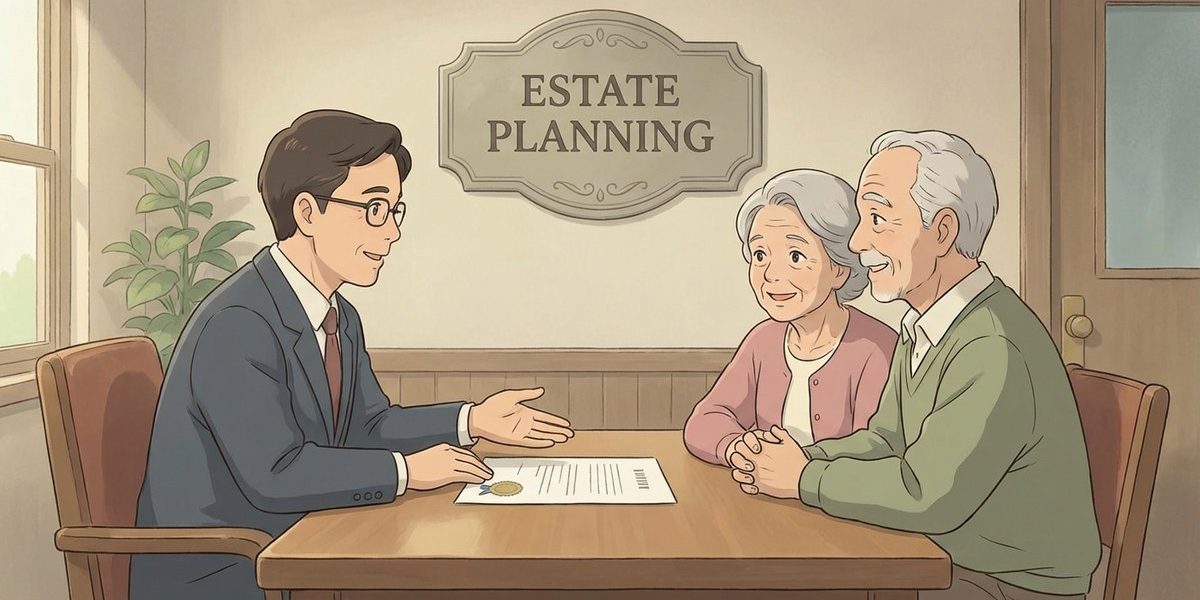
If I die first, will everything automatically go to my spouse, and what documents do we need to make sure that happens? – NC
Short Answer
No. In North Carolina, everything does not automatically go to a surviving spouse just because the couple is married. Some assets pass directly by title or beneficiary designation, some may pass under a will or trust, and some may be divided under North Carolina intestacy rules if the plan is outdated or missing. To make assets pass to the surviving spouse first and then to children later, most couples need updated beneficiary designations, a current will or revocable trust, and incapacity documents such as powers of attorney and health care directives.
Understanding the Problem
In North Carolina estate planning, the main question is whether a married person’s property will pass to the surviving spouse at the first death, and what legal documents control that result. The answer depends on the type of asset, how it is titled, whether a beneficiary is named, and whether a valid estate plan is in place. For a retired couple with a home, retirement accounts, bank accounts, and personal property, the decision point is not simply whether there is a marriage, but whether each asset is set up to pass the way the couple intends.
Apply the Law
Under North Carolina law, a surviving spouse does not automatically receive every asset. Property can pass in different ways: by contract or beneficiary designation, by survivorship title, through probate under a will, or under intestacy if there is no effective plan. If a person dies without a valid will, the surviving spouse’s share depends on whether there are children or other close relatives, and that share may be less than all of the estate. Probate matters are generally handled before the Clerk of Superior Court in the county where the estate is administered. A will should also be executed with the required formalities, and making it self-proved can make probate smoother.
Key Requirements
- Asset-by-asset review: The result depends on each asset’s title and beneficiary form. Retirement accounts and many financial accounts usually pass by named beneficiary, while solely owned property often passes under a will, trust, or intestacy.
- Valid transfer documents: A current will or revocable trust should clearly state that the surviving spouse receives property first, with children as backup or later beneficiaries after the second death.
- Coordination and backup planning: Beneficiary designations, deeds, powers of attorney, and health care documents should match the overall plan so the surviving spouse can manage assets and the children can act more easily later.
What the Statutes Say
- N.C. Gen. Stat. § 29-14 (Share of surviving spouse) – If a person dies without a will, the surviving spouse may receive only part of the real estate and personal property when children survive.
- N.C. Gen. Stat. § 30-3.1 (Elective share) – A surviving spouse may have a statutory right to claim a share of certain assets even if a will or trust says otherwise.
- N.C. Gen. Stat. § 30-3.4 (Procedure for determining the elective share) – An elective share claim must generally be filed with the clerk within six months after letters are issued in the estate.
- N.C. Gen. Stat. § 31-11.6 (Self-proved wills) – A properly self-proved will can be admitted more easily because the witness proof is built into the document.
- N.C. Gen. Stat. § 31-39 (Probate necessary to pass title) – A duly probated will is effective to pass title to real and personal property.
- N.C. Gen. Stat. § 90-321 (Advance Directive for a Natural Death) – North Carolina law recognizes a living will that states end-of-life instructions when a person cannot communicate.
Analysis
Apply the Rule to the Facts: For a recently retired couple replacing an old online will, the goal of leaving assets to the surviving spouse first and then to children later usually requires more than one document. If the home, bank accounts, and personal property are not all set up the same way, some assets may pass outside the will while others still require probate. Retirement accounts also follow beneficiary forms, so an old designation can override newer will language. If the couple wants the children to handle or sell the home more easily after both deaths, a revocable trust may help by keeping the home out of probate if the deed is properly transferred to the trust during life.
Process & Timing
- Who files: After death, the named executor or another qualified personal representative. Where: The estate is typically opened before the Clerk of Superior Court in the North Carolina county where the decedent lived. What: The original will, if there is one, is submitted for probate, and the representative applies for letters testamentary or letters of administration. When: This should be done promptly after death; if a surviving spouse needs to assert an elective share, the claim is generally due within six months after the issuance of letters.
- During planning, the couple signs updated estate documents and reviews every deed, account title, and beneficiary designation so they all point to the same result. If a revocable trust is used, the home and any other selected assets must be retitled into the trust, or the trust will not avoid probate for those assets.
- At the first death, assets with survivorship features or valid beneficiary designations usually transfer first, while probate assets pass under the will. After the second death, the children receive property under the will, trust, or beneficiary designations then in effect, and they can use the controlling documents to collect, manage, or sell the home.
Exceptions & Pitfalls
- Marriage alone does not override every title or beneficiary form. A retirement account, payable-on-death account, or jointly held asset may pass under its own paperwork instead of the will.
- An old online will may not match current assets, family goals, or North Carolina signing rules. A self-proved will can reduce later proof problems, but only if it was properly executed.
- A trust only helps avoid probate for assets actually transferred into it. If the home stays in an individual’s sole name, the children may still need to deal with probate before selling it.
- Incapacity planning matters too. Durable financial and health care decision documents can let the spouse or another chosen person act during life if illness or cognitive decline prevents direct action.
- Even with a will or trust, North Carolina gives surviving spouses important statutory protections, so attempts to disinherit a spouse or leave planning incomplete can create later disputes and filing deadlines.
- For more on coordinating the full plan, see what estate planning documents do I need for my situation and what estate planning documents should we have in place besides a will, like powers of attorney and healthcare directives.
Conclusion
In North Carolina, everything does not automatically go to a surviving spouse at the first death. The result depends on title, beneficiary designations, and whether a valid will or funded revocable trust is in place. When children are part of the plan, intestacy may leave the spouse with less than all assets, so the key next step is to sign an updated will or trust and align each deed and beneficiary form with that plan as soon as possible.
Talk to a Estate Planning Attorney
If you’re dealing with how to leave assets to a spouse first and then to children while making things easier to manage later, our firm has experienced attorneys who can help you understand your options and timelines. Call us today at 919-341-7055.
Disclaimer: This article provides general information about North Carolina law based on the single question stated above. It is not legal advice for your specific situation and does not create an attorney-client relationship. Laws, procedures, and local practice can change and may vary by county. If you have a deadline, act promptly and speak with a licensed North Carolina attorney.

