
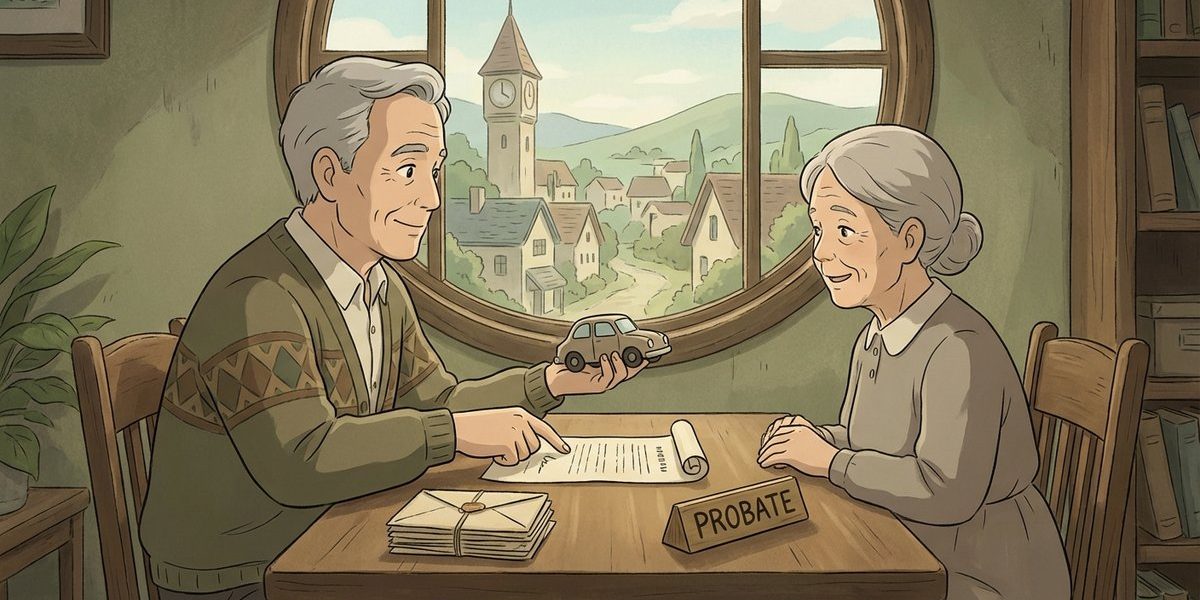
Can I handle a limited probate filing myself after my spouse dies? – NC
Short Answer
Yes, in some North Carolina estates, a surviving spouse can handle a limited probate-related filing without opening a full estate administration. That is most common when the main issue is transferring a vehicle, claiming a spouse’s allowance, or perfecting title to property that already passes to the surviving spouse by law. The filing usually goes through the Clerk of Superior Court, but whether a do-it-yourself approach works depends on the asset type, the title records, and whether any creditor or heir dispute exists.
Understanding the Problem
In North Carolina, the question is whether a surviving spouse can use a limited estate filing with the Clerk of Superior Court, rather than full probate, to clear title issues after a spouse’s death. The decision point is usually whether the remaining asset actually needs estate administration at all, or whether a narrower filing is enough to transfer a vehicle or confirm the surviving spouse’s rights in property. Timing matters because some spouse-related claims become harder once a personal representative is appointed and deadlines begin to run.
Apply the Law
North Carolina probate law does not require full administration for every death. Jointly owned real estate may pass outside probate depending on how title was held, while property titled only in the deceased spouse’s name may require a limited filing to create a court order or transfer document. For a surviving spouse, the main forum is usually the estate division before the Clerk of Superior Court in the county where venue is proper. A key deadline is the spouse’s allowance claim: if no personal representative has been appointed, the statute does not set a fixed outside deadline, but if one has been appointed, the claim must be filed within six months after letters issue.
Key Requirements
- Asset-by-asset review: Each asset must be checked separately. A jointly owned home may not need full probate, but a vehicle titled only in the deceased spouse’s name often still needs a clerk-approved transfer path.
- Proper filing with the clerk: The surviving spouse must file in the correct county before the Clerk of Superior Court and use the procedure that matches the asset, such as a spouse’s allowance request or a request to perfect title.
- No major dispute or hidden estate issue: A limited filing works best when there is no fight over heirs, no unclear title history, and no need for a full personal representative to collect and pay estate assets and claims.
What the Statutes Say
- N.C. Gen. Stat. § 30-15 (Spouse’s Allowance) – gives a surviving spouse a statutory allowance of up to $60,000 and sets the filing rule and six-month limit if letters have already issued.
- N.C. Gen. Stat. § 30-19 (Property Awarded to Surviving Spouse) – places the decision about personal property awarded as an allowance with the clerk of court.
- N.C. Gen. Stat. § 30-20 (Procedure for Assignment; Order of Clerk) – directs the clerk to determine entitlement and enter an order identifying the personal property awarded.
- N.C. Gen. Stat. § 31C-4 (Perfection of Title of Surviving Spouse) – allows title of a surviving spouse to be perfected by clerk’s order or approved instrument when the statute applies.
Analysis
Apply the Rule to the Facts: Here, the home appears to have been jointly owned, so the first issue is whether the deed already gives the surviving spouse ownership by operation of law and only needs record updating rather than full probate. The vehicle is different because it is titled only in the deceased spouse’s name, which often creates the practical need for a limited estate filing or spouse’s allowance request through the clerk. If the estate has little or no probate property beyond that vehicle, a narrow filing may be enough, but the clerk will still expect the correct form, death certificate support, and proof of the marital relationship.
North Carolina practice also treats spouse’s allowance proceedings as a useful tool when the surviving spouse needs personal property transferred without opening a broader administration. In a simple estate, the clerk can enter an order identifying the personal property awarded to the spouse, and that order may help with vehicle title work. But if the title records are inconsistent, if another heir objects, or if there are estate debts that require formal administration, the matter can move beyond a simple do-it-yourself filing. For related issues involving vehicle transfers, see a simplified small-estate option just to retitle a vehicle.
Process & Timing
- Who files: the surviving spouse. Where: before the Clerk of Superior Court in the North Carolina county with probate venue. What: the estate filing that matches the need, often a verified petition for spouse’s allowance and any clerk-required estate forms to transfer the vehicle or perfect title. When: as soon as the title problem is identified; if a personal representative has already been appointed, the spouse’s allowance claim must be filed within six months after letters issue.
- The clerk reviews the filing, supporting documents, and asset information. In a straightforward matter, the clerk may enter an order without a major dispute process, but the clerk can require a hearing if entitlement or valuation is unclear.
- Once the clerk signs the order, the surviving spouse uses that order and related title documents to update records for the vehicle and, if needed, to support deed or title correction steps for property passing to the spouse.
Exceptions & Pitfalls
- A jointly owned home does not always need probate, but the exact deed language matters. Survivorship wording and title history can change the answer.
- A spouse’s allowance applies to personal property and support rights, not as a catch-all fix for every real estate title problem. The home and the vehicle may require different steps.
- Common mistakes include filing in the wrong county, assuming all assets avoid probate because the estate is small, and waiting too long after letters issue in an opened estate. Notice and documentation problems can also delay the clerk’s order.
Conclusion
Yes, a surviving spouse in North Carolina can sometimes handle a limited probate-related filing without opening full probate, especially when the main issues are a vehicle transfer or a spouse’s allowance. The key threshold is whether any asset actually requires estate administration rather than passing outside probate. The best next step is to file the correct verified petition with the Clerk of Superior Court, and if letters have already been issued in an estate, do so within six months.
Talk to a Probate Attorney
If a spouse’s death left a home title issue, a vehicle in the deceased spouse’s name, or questions about a limited probate filing, our firm has experienced attorneys who can help explain the right filing path and the deadlines that may apply. Call us today at 919-341-7055.
Disclaimer: This article provides general information about North Carolina law based on the single question stated above. It is not legal advice for your specific situation and does not create an attorney-client relationship. Laws, procedures, and local practice can change and may vary by county. If you have a deadline, act promptly and speak with a licensed North Carolina attorney.

