
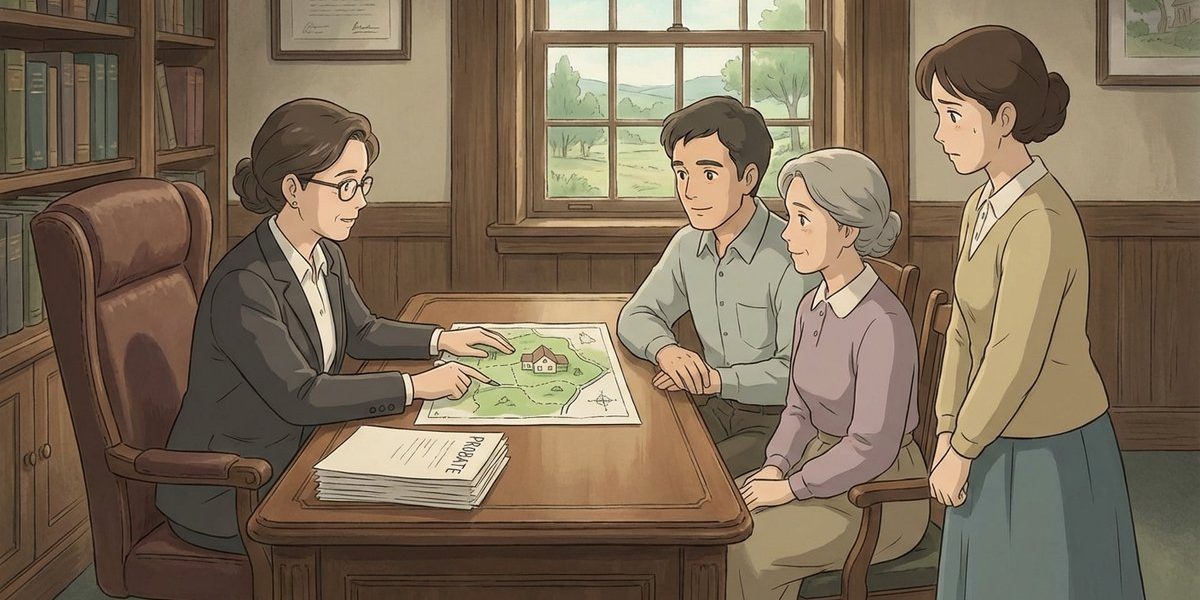
What happens if one heir wants to sell inherited property but the other heirs do not? – NC
Short Answer
In North Carolina, one heir usually cannot force the other heirs to sign a private sale of inherited real estate. But if the heirs own the property together as tenants in common, an heir who wants out can ask the court for partition, and the court may divide the property or order a sale if an actual partition cannot be made without substantial injury to any of the parties. Before that happens, the first step is to confirm who actually inherited an interest and whether a surviving spouse holds a separate share or elected life-estate interest.
Understanding the Problem
In North Carolina probate matters, the main question is whether an heir who owns part of inherited house and land can sell when other heirs refuse. The answer turns on the heir’s legal ownership interest, the form of title after death, and whether the property can be divided instead of sold. If title has not been clarified through the estate, the dispute often starts with identifying the heirs and the surviving spouse’s rights before any sale can move forward.
Apply the Law
Under North Carolina law, inherited real property often passes to multiple heirs who then hold undivided interests as cotenants, usually tenants in common, unless a will or deed says otherwise. A tenant in common owns a share of the whole property, not a specific bedroom, field, or corner of the lot. That means one heir may transfer that heir’s own interest, but cannot alone convey full title to the entire property. If the cotenants cannot agree, the usual forum is the Superior Court in the county where the property is located, through a partition proceeding. If the land cannot be fairly split without substantial injury to any of the parties, the court may order a judicial sale and divide the proceeds according to each person’s share.
Key Requirements
- Ownership interest: The person asking for relief must actually hold an inherited ownership share or stand in the shoes of a deceased owner’s personal representative where the statute allows.
- All interested parties joined: All cotenants and joint tenants must be joined and served. Other persons with an interest in the property, lessees, and lienholders may also be joined.
- Partition or sale standard: The court looks first at whether the property can be fairly divided; a sale may be ordered only if the party seeking sale proves by a preponderance of the evidence that actual partition cannot be made without substantial injury to any of the parties.
What the Statutes Say
- N.C. Gen. Stat. § 46A-21 (Petition by cotenant) – A cotenant may petition for partition in superior court, and all cotenants and joint tenants must be joined and served.
- N.C. Gen. Stat. § 46A-79 (Partition sale of remainder or reversionary interest) – A life estate does not bar a partition sale of the remainder or reversionary interest, but the partition cannot interfere with the life tenant’s possession during the life estate.
- N.C. Gen. Stat. § 46A-78 (Property subject to a life estate) – If a life tenant joins in a partition sale, the life tenant’s share may be valued and paid from the sale proceeds.
- N.C. Gen. Stat. § 41-93 (Creditor sale of one cotenant’s interest) – A sale of one cotenant’s interest does not affect the other cotenants’ ownership interests.
Analysis
Apply the Rule to the Facts: If a deceased grandparent left a house and land to more than one heir, the heirs may now own undivided shares as tenants in common. In that situation, a surviving spouse who wants to buy the whole property cannot get full title unless all owners sign, unless a court later orders a partition sale. If the caller and a sibling inherited shares, each may have a separate interest that must be identified through the estate file, the will if there is one, and the recorded title history. If the surviving spouse has an elected life estate or elective share issue, that can affect possession, value, and how any sale proceeds are divided.
The practical point is that one heir who wants to sell has two different paths. First, that heir may try to sell only that heir’s own undivided interest, but buyers are often reluctant because they would step into a shared-ownership dispute. Second, that heir may file a partition case and ask the court either to divide the land or order a sale if actual partition would cause substantial injury to any of the parties. That second path is often the real leverage point when family members cannot agree.
North Carolina practice also makes heir identification important before any deal closes. Inherited real estate disputes often turn on whether title passed by will, by intestate succession, or subject to a surviving spouse’s separate rights. That is why the estate file, clerk’s records, and deed records matter before anyone assumes a single family member can buy out everyone else. For related issues about disputed ownership before a sale, see other heirs who may have a claim to the house before it can be sold and who legally inherits the land and how each person’s share is determined.
Process & Timing
- Who files: A cotenant heir, or in some situations the personal representative tied to the deceased owner’s interest. Where: Superior Court in the North Carolina county where the real property is located. What: A partition petition identifying the property and all known cotenants and interested parties. When: There is not a single short statewide filing deadline like a typical appeal deadline, but delay can create title, possession, rent, tax, and sale problems, so action should begin as soon as ownership becomes disputed.
- The court requires service on all necessary parties and then determines the appropriate method of partition. If the property can be fairly divided, the court may partition it. If not, the court may move toward a judicial sale, with timing that can vary by county and by whether heirship or spouse-rights issues must be resolved first.
- After sale or division, the court enters orders allocating proceeds or separate parcels according to each party’s legal share, subject to approved costs and any recognized life-estate or lien interests.
Exceptions & Pitfalls
- A surviving spouse may have rights that change the analysis, including a direct ownership share, an elected life-estate interest, or other estate-related rights that must be resolved before clear title can pass.
- A common mistake is assuming an heir can sell the whole property just because that heir has possession, pays taxes, or has keys. Ownership depends on title and succession, not control of the property.
- Another common problem is failing to identify and serve every cotenant or joint tenant. Other interested parties may also need to be joined depending on the circumstances.
Conclusion
In North Carolina, one heir usually cannot force the other heirs to sign a private sale of inherited property, but that heir can often ask the Superior Court for partition if the heirs own the property together. The key threshold is actual ownership of a cotenant share, and the most important next step is to file a partition petition in the county where the property sits once the heirs and any surviving spouse interests have been confirmed.
Talk to a Probate Attorney
If a family is dealing with inherited house and land and the heirs do not agree on whether to sell, our firm has experienced attorneys who can help sort out ownership, spouse rights, and court options. Call us today at 919-341-7055.
Disclaimer: This article provides general information about North Carolina law based on the single question stated above. It is not legal advice for your specific situation and does not create an attorney-client relationship. Laws, procedures, and local practice can change and may vary by county. If you have a deadline, act promptly and speak with a licensed North Carolina attorney.

