
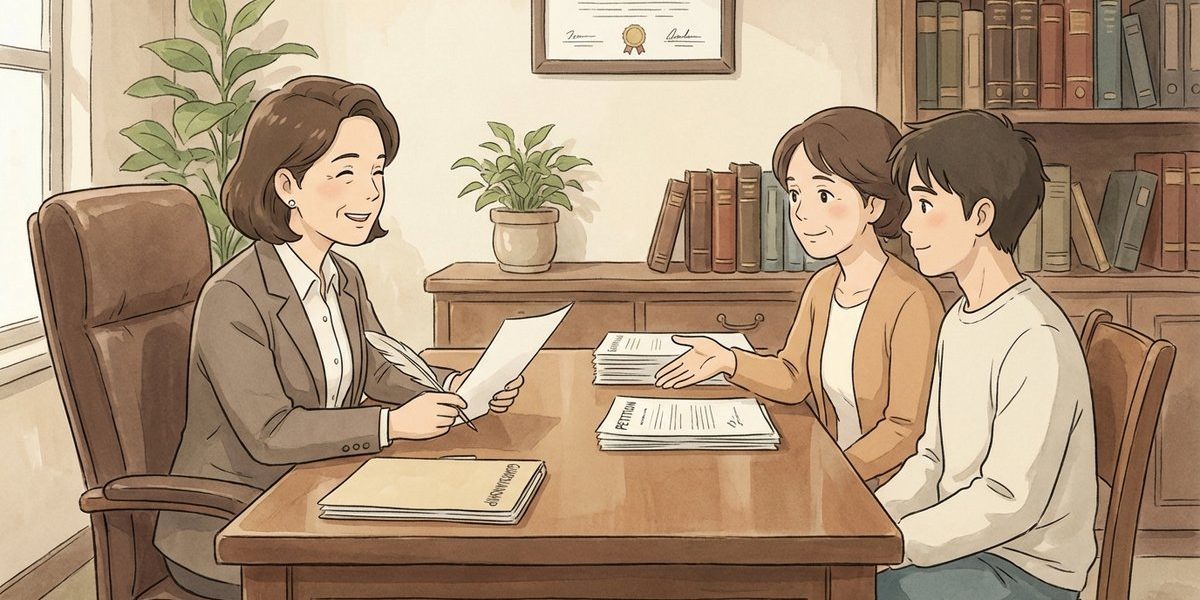
How do I ask the court to change an adult guardianship so a family member can become the guardian instead of a public agency? – North Carolina
Short Answer
In North Carolina, a request to replace a public agency guardian with a family member is usually made by filing a written petition or motion with the Clerk of Superior Court in the county where the guardianship is pending. The clerk can remove a guardian for cause and appoint a successor guardian, including a qualified family member, if the change better protects the ward’s interests. The process typically requires notice to required parties and a hearing.
Understanding the Problem
In an existing North Carolina adult guardianship, can a family member ask the Clerk of Superior Court to replace a public agency that is currently serving as guardian, so the family member can take over the guardian role and be more involved in the adult’s care? The decision point is whether the clerk has a legal basis to remove the current guardian and appoint a successor guardian, and what steps must be followed in the guardianship file to request that change.
Apply the Law
North Carolina adult guardianships are handled as special proceedings before the Clerk of Superior Court. After a guardian is appointed, the clerk keeps ongoing authority over the case to supervise the guardianship, resolve disputes, and—when appropriate—remove a guardian and appoint a successor. A family member generally proceeds by asking the clerk to exercise that authority and by showing why a change in guardian is needed to protect the ward’s interests and why the proposed family member is qualified to serve.
Key Requirements
- Standing (right person to ask): The request must be made by a party or an “interested person” in the guardianship, such as a close family member with a legitimate concern about the ward’s care and decision-making.
- Legal basis to change the guardian: The clerk generally needs a reason recognized by North Carolina law to remove the current guardian (for example, failure to follow duties, conflict of interest, unsuitability, or other issues affecting the ward’s protection).
- A qualified successor ready to serve: The family member must be able to meet the qualifications for the type of guardianship involved (guardian of the person, guardian of the estate, or general guardian) and be prepared for practical requirements like accepting appointment, complying with clerk supervision, and (if applicable) bonding and accountings.
What the Statutes Say
- N.C. Gen. Stat. § 35A-1203 (Clerk jurisdiction and authority) – Gives the clerk original jurisdiction over adult guardianships and continuing authority after appointment, including removal for cause and appointment of a successor; allows an interested person to petition the clerk to act.
- N.C. Gen. Stat. § 35A-1290 (Removal by clerk) – Lists grounds and authority for the clerk to remove a guardian and take action to protect the ward’s interests, including when the guardian is unsuitable.
- N.C. Gen. Stat. § 35A-1293 (Appointment of successor guardian) – Directs the clerk to appoint a successor guardian after removal, death, or resignation, using the same criteria that apply to an initial appointment.
Analysis
Apply the Rule to the Facts: Here, a family member wants to modify an existing adult guardianship so a family member—not a public agency—serves as guardian and can be more involved in care decisions. Under North Carolina law, the path is to ask the Clerk of Superior Court to exercise ongoing guardianship supervision authority, request removal of the current guardian if there is a legally supportable reason, and request appointment of the family member as the successor. The strength of the request typically depends on (1) specific facts showing why a change protects the ward’s interests and (2) a clear plan showing the family member can perform the guardian duties the clerk will expect.
Process & Timing
- Who files: The family member (or another interested person), often through counsel. Where: The Clerk of Superior Court in the county where the guardianship is pending. What: A written petition/motion asking the clerk to remove the current guardian and appoint a successor guardian (the family member), supported by a detailed factual statement and proposed order. When: North Carolina law does not set one universal “file by” deadline for a change-of-guardian request, but timing matters if there is an urgent care or safety issue.
- Notice and scheduling: The clerk will set the matter for hearing and require notice/service on the people entitled to notice in the guardianship file (often including the ward and the current guardian). Local rules and clerk practices can affect how notice must be given and what forms are required.
- Hearing and order: At the hearing, the clerk considers evidence about the current guardian’s performance/suitability and the proposed family member’s qualifications and plan. If the clerk removes the current guardian, the clerk can appoint a successor and issue updated letters of guardianship reflecting the new appointment.
Exceptions & Pitfalls
- “More involvement” is not always enough by itself: The clerk’s focus is the ward’s best protection and proper administration of the guardianship. A request is stronger when it identifies concrete problems (or concrete improvements) tied to the guardian’s duties, rather than general dissatisfaction.
- Type of guardianship matters: A guardian of the person handles many personal/medical and placement decisions; a guardian of the estate handles finances; a general guardian does both. Asking to replace a public agency may require clarity about which role(s) the family member seeks and whether co-guardianship or a different structure is being requested.
- Qualification and compliance issues: Even well-meaning family members can be denied if the clerk finds a conflict of interest, inability to manage required reporting, or other “unsuitability” concerns. Preparing a realistic care plan and showing willingness to follow clerk supervision (and, if applicable, bonding/accounting requirements) can be critical.
- Notice/service mistakes: Guardianship changes can be delayed or denied if required parties are not properly served or if the filing is not made in the correct guardianship file/county.
For more background on related guardianship change requests, see asking the court to appoint a different guardian and changing who the guardian is when the arrangement isn’t working.
Conclusion
In North Carolina, a family member can ask to replace a public agency guardian by filing a petition or motion in the existing guardianship with the Clerk of Superior Court in the county where the case is pending. The clerk may remove a guardian for legally recognized reasons (including unsuitability) and then appoint a successor guardian using the same criteria applied to an initial appointment. The next step is to file the request with supporting facts and ask the clerk to schedule a hearing.
Talk to a Guardianship Attorney
If a family member is trying to change an adult guardianship so a relative can serve as guardian instead of a public agency, our firm has experienced attorneys who can help explain the process, prepare the filings, and track the required notices and hearing steps. Call us today at [919-341-7055].
Disclaimer: This article provides general information about North Carolina law based on the single question stated above. It is not legal advice for your specific situation and does not create an attorney-client relationship. Laws, procedures, and local practice can change and may vary by county. If you have a deadline, act promptly and speak with a licensed North Carolina attorney.

