
How can I find out who is officially in charge of my spouse’s estate and whether probate has actually been opened? – North Carolina
Short Answer
In North Carolina, probate (estate administration) is handled through the Clerk of Superior Court in the county where the estate is opened. The quickest way to confirm whether an estate exists—and who is officially in charge—is to contact that Clerk’s Estates Division and ask for the estate file number and a copy of the “letters” (letters testamentary or letters of administration). If letters have been issued, a personal representative has formally qualified and has legal authority to act for the estate.
Understanding the Problem
In North Carolina probate, the key question is whether a personal representative has been officially appointed by the Clerk of Superior Court to handle a deceased spouse’s estate. If someone says “the estate is opened,” the practical follow-up is whether the Clerk has issued estate “letters” and assigned an estate file, because that is what shows probate has actually started and identifies who has authority to deal with estate property and paperwork.
Apply the Law
North Carolina places original probate and estate administration authority with the superior court division, exercised through the Clerk of Superior Court (often called the “judge of probate” for these matters). In a typical estate, the person in charge is the personal representative: an executor if there is a will (letters testamentary) or an administrator if there is no will (letters of administration). The most reliable proof of who is in charge is the letters issued by the Clerk, along with the estate file number and the qualification date.
Key Requirements
- Correct county file: The estate must be opened with the Clerk of Superior Court in the proper North Carolina county, and the Clerk assigns an estate file number.
- Formal appointment (“qualification”): Someone must qualify before the Clerk as the personal representative; until then, no one has court-issued authority to act for the estate.
- Letters issued by the Clerk: The Clerk issues letters testamentary (will) or letters of administration (no will). Those letters identify the person officially in charge and are what banks and others usually require.
What the Statutes Say
- N.C. Gen. Stat. § 7A-241 (Probate jurisdiction) – Gives the Clerk of Superior Court authority over the probate of wills and the administration of decedents’ estates.
Analysis
Apply the Rule to the Facts: Here, a child of the decedent is reportedly “handling” the estate, but the surviving spouse has not received clear information. Under North Carolina practice, the deciding fact is whether that child (or anyone else) has actually qualified with the Clerk and received letters. If letters have not been issued, the estate may not be opened yet, or the person may be acting informally without court authority.
Concerns like whether the home is paid off often require confirming who has authority to request mortgage payoff information, access statements, and manage estate assets. Once the personal representative is identified from the letters, it becomes clearer who can legally request information and what filings should appear in the estate file (for example, inventories and accountings, depending on the type of administration and local practice).
For a related discussion, see confirm whether an estate has been opened and who the personal representative is.
Process & Timing
- Who checks: An interested person such as a surviving spouse. Where: Estates Division of the Clerk of Superior Court in the county where probate would be filed in North Carolina. What: Ask whether an estate file exists for the decedent, request the estate file number, and request copies of the letters (letters testamentary/letters of administration) and the qualification paperwork. When: As soon as there is a concern about who has authority or whether anything has been filed.
- Review the estate file: Confirm the personal representative’s name, the qualification date, and whether a will was probated. Then check what has been filed so far (for example, whether an inventory or accountings have been filed, and whether there are any pending estate proceedings before the Clerk).
- Next action if information is missing: If probate is open and a personal representative is appointed, the next step is usually a written request (often through counsel) for basic estate status and copies of key filings, and—if necessary—asking the Clerk to address specific administration issues through the estate file.
Exceptions & Pitfalls
- “Handling it” is not the same as being appointed: A family member may be collecting papers or paying bills, but only a court-appointed personal representative with letters has formal authority to act for the estate.
- Wrong county assumptions: Probate may be opened in a different North Carolina county than expected. Checking with the correct Clerk’s office (and confirming the decedent’s county connections) matters.
- Mixing up wills on deposit vs. probated wills: A will can be kept for safekeeping with the Clerk while the person is alive, but it does not become public or effective for probate purposes until it is offered for probate after death.
- Local procedure differences: Filing steps and how quickly documents appear can vary by county.
Conclusion
In North Carolina, the official way to confirm whether probate has been opened—and who is in charge—is to check with the Clerk of Superior Court (Estates Division) in the county where the estate would be administered and request the estate file number and the issued letters. If letters testamentary or letters of administration have been issued, a personal representative has formally qualified and has authority to act. The next step is to obtain copies of the letters from the Clerk’s file as soon as possible.
Talk to a Probate Attorney
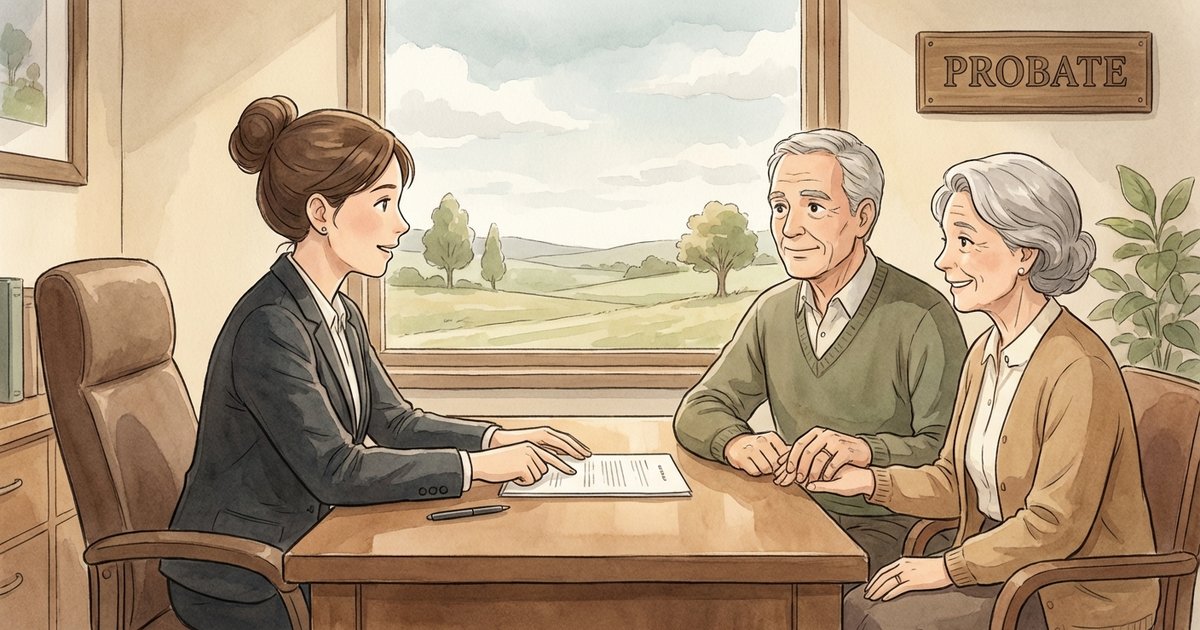
If a spouse’s estate is supposedly “open” but basic information is not being shared, a probate attorney can help confirm the court file, identify the personal representative, and take the right procedural steps with the Clerk of Superior Court. Call us today at [CONTACT NUMBER].
Disclaimer: This article provides general information about North Carolina law based on the single question stated above. It is not legal advice for your specific situation and does not create an attorney-client relationship. Laws, procedures, and local practice can change and may vary by county. If you have a deadline, act promptly and speak with a licensed North Carolina attorney.

